If you drive under a motor carrier's authority, your truck isn't always covered the way you think it is. The carrier's policy protects the rig while you're under dispatch and hauling a load — but the moment you drop the trailer and head home, that protection can disappear. For Texas owner-operators, the two coverages that fill those gaps are bobtail and non-trucking liability, and they are not the same thing.
Mixing them up is one of the most common (and most expensive) mistakes we see at TAP Insurance. Here's the plain-English breakdown.
What "bobtail" coverage actually means
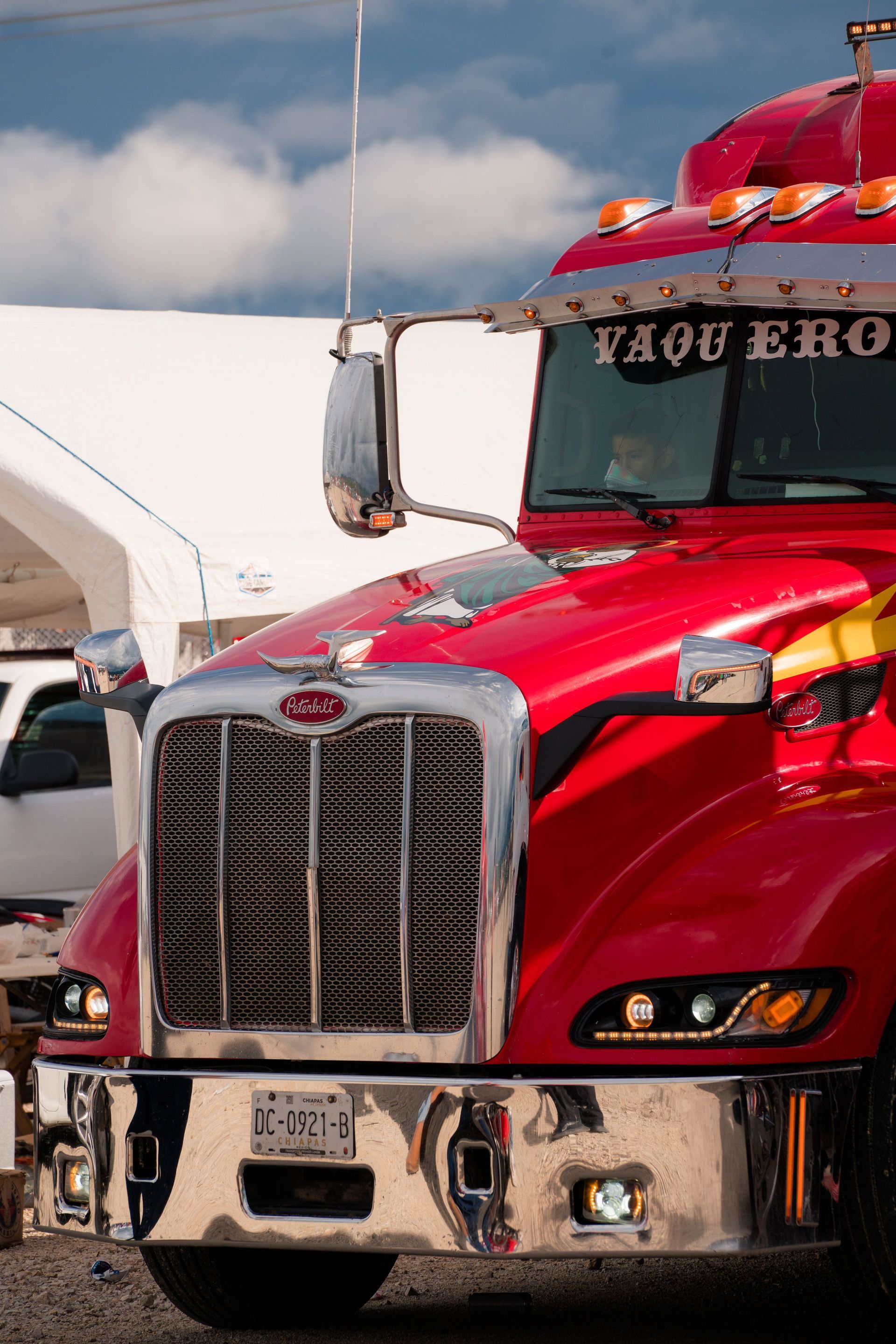
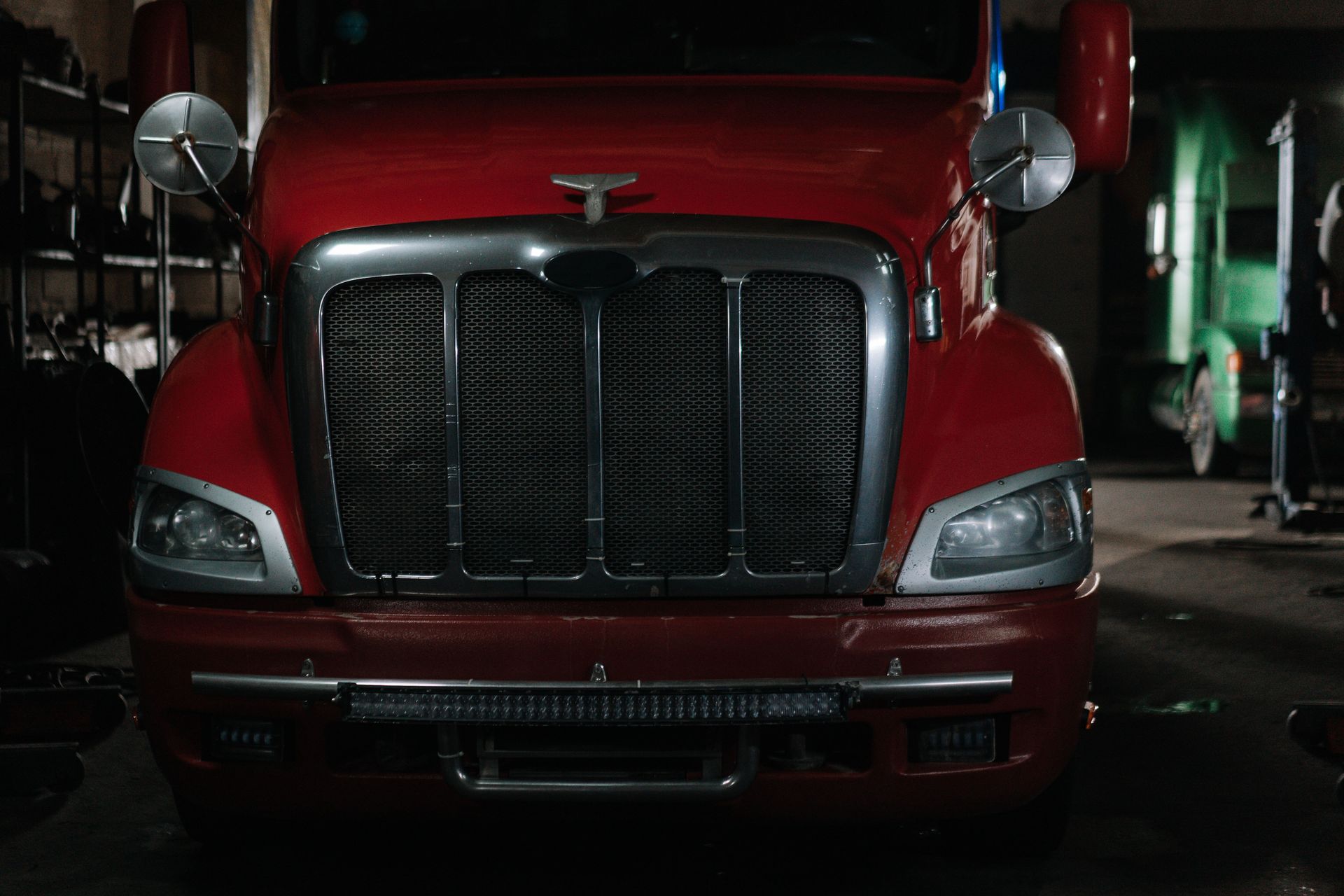
"Bobtailing" is industry slang for driving your tractor without a trailer attached. Bobtail insurance covers your truck for liability when you're operating it without a trailer — for example, after you've delivered a load and you're driving the empty tractor back to the terminal or to pick up your next trailer. It applies whether or not you're technically under dispatch. The key trigger is simple: no trailer attached.
What non-trucking liability covers
Non-trucking liability (NTL), sometimes called "deadhead" or "personal use" coverage, protects you when you're driving the truck for reasons that have nothing to do with the carrier's business — running to the grocery store, heading to a doctor's appointment, or driving home for the weekend, with or without a trailer. The trigger here isn't the trailer. It's whether you're working under the carrier's authority at that moment. If you're off-duty and using the truck for personal reasons, NTL is what responds.
The key difference
Both coverages kick in when the carrier's primary liability policy doesn't — but they draw the line differently. Bobtail focuses on whether a trailer is attached. Non-trucking liability focuses on whether you're being paid for the trip. Many owner-operators assume one covers the other. It doesn't, and a single at-fault accident during personal use without NTL can leave you paying out of pocket for damages, injuries, and legal costs.
Why Texas owner-operators should pay attention
If you're leased to a carrier here in Texas, your lease agreement almost always requires you to carry one or both of these coverages — and it's your responsibility, not the carrier's, to keep them in force. With DOT enforcement tight along the I-35 and US-287 corridors and traffic only growing across DFW, the odds of an incident during a deadhead or personal trip are higher than most drivers like to admit. The good news: bobtail and NTL are among the most affordable coverages in trucking. For most owner-operators, both together cost a fraction of your primary liability premium. Going without them to save a few dollars a month is a gamble that rarely pays off.
How TAP Insurance helps
As an independent agency, TAP Insurance shops multiple trucking carriers to match your lease requirements and your real-world driving — not a one-size-fits-all package. We'll review your carrier's primary policy, spot the exact gaps, and make sure your bobtail and non-trucking liability line up with how you actually use your truck. No surprises, no coverage you don't need. Whether you're a single owner-operator or running a small fleet out of Wise County or anywhere in North Texas, we'll get you protected the right way.
Ready to make sure your truck is covered on and off the clock? Call TAP Insurance at (800) 666-2254 or visit tapinsuretx.com for a free, no-obligation quote.