When you call State Farm, you talk to a State Farm agent who sells State Farm policies. When you call GEICO, you get GEICO. When you call TAP Insurance Agency, you get someone who can quote you Progressive, GEICO, Liberty Mutual, Berkshire Hathaway, NICO, Bamboo, Wellington, Homeowners of America, Texas Mutual, and a dozen more, all from one phone call.
That's the difference between an independent agency and a captive agency, and in 2026 Texas, it's the single biggest factor in what you pay for insurance.
The captive agency model
Captive agents work for one insurance company. State Farm. Allstate. Farmers. Liberty Mutual's direct channel. They know that one company's products inside out. They have one set of rates, one underwriting appetite, one set of discounts.
When you call them with a complicated situation, a driver with a couple of accidents, a home in a hail-prone county, a small business needing both general liability and commercial auto, they give you their company's answer. If their company doesn't want the risk, they say 'we can't help.' If their company prices it high, they quote it high. Take it or leave it.
The independent agency model
Independent agents work for you. We have agreements with 15+ different carriers, ranging from the household names (Progressive, GEICO) to specialty carriers (NICO for trucking, Bamboo for hail-prone homeowners) to E&S markets (Bass Underwriters for tougher commercial risks).
When you call us with the same complicated situation, we shop your risk to all 15+ carriers. We see who wants it, who prices it best, who has the right coverage form for your specific exposure. Then we present you the 2-3 best options and let you pick.
In a competitive market like 2018, when carriers were chasing growth, captive and independent rates often looked similar. In a hard market like 2024-2026, when carriers are pulling back from Texas hail zones, raising rates 30-60 percent, and tightening underwriting, independent agencies become the only way to get a fair quote.
Real example: hail-prone homeowners
In 2025-2026, Progressive announced they were pulling back from new homeowners business in much of Texas. State Farm and Allstate raised rates 25-40 percent in DFW. If you're a captive client of one of these companies and got a renewal letter that doubled your premium, you have one option: pay it.
If you're a TAP client, we shop your renewal to Bamboo (a non-admitted carrier built for hail-prone homes), Homeowners of America, Wellington, and 8 other markets. We routinely save clients $1,500-$3,000 a year on the same coverage.
Real example: commercial trucking
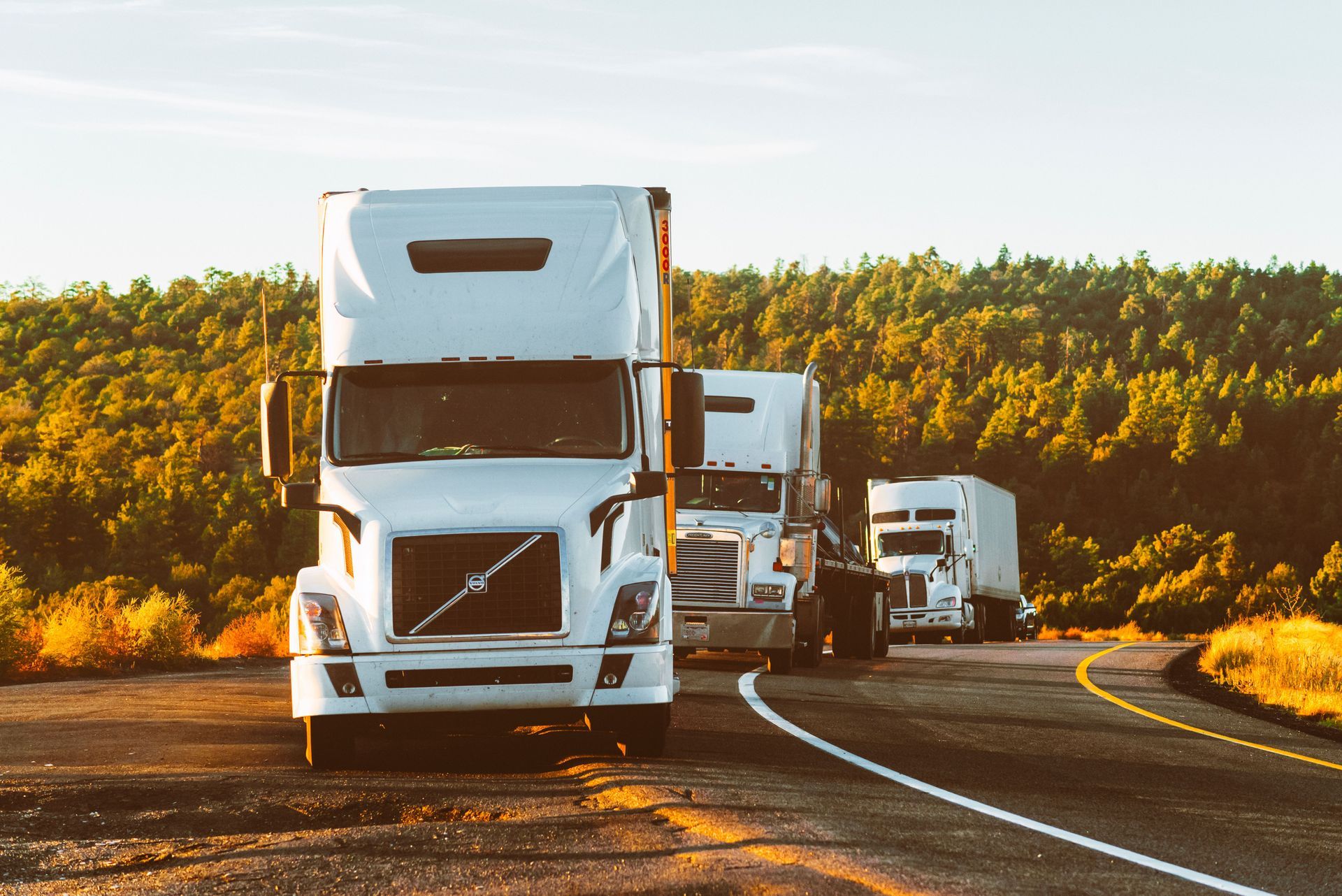
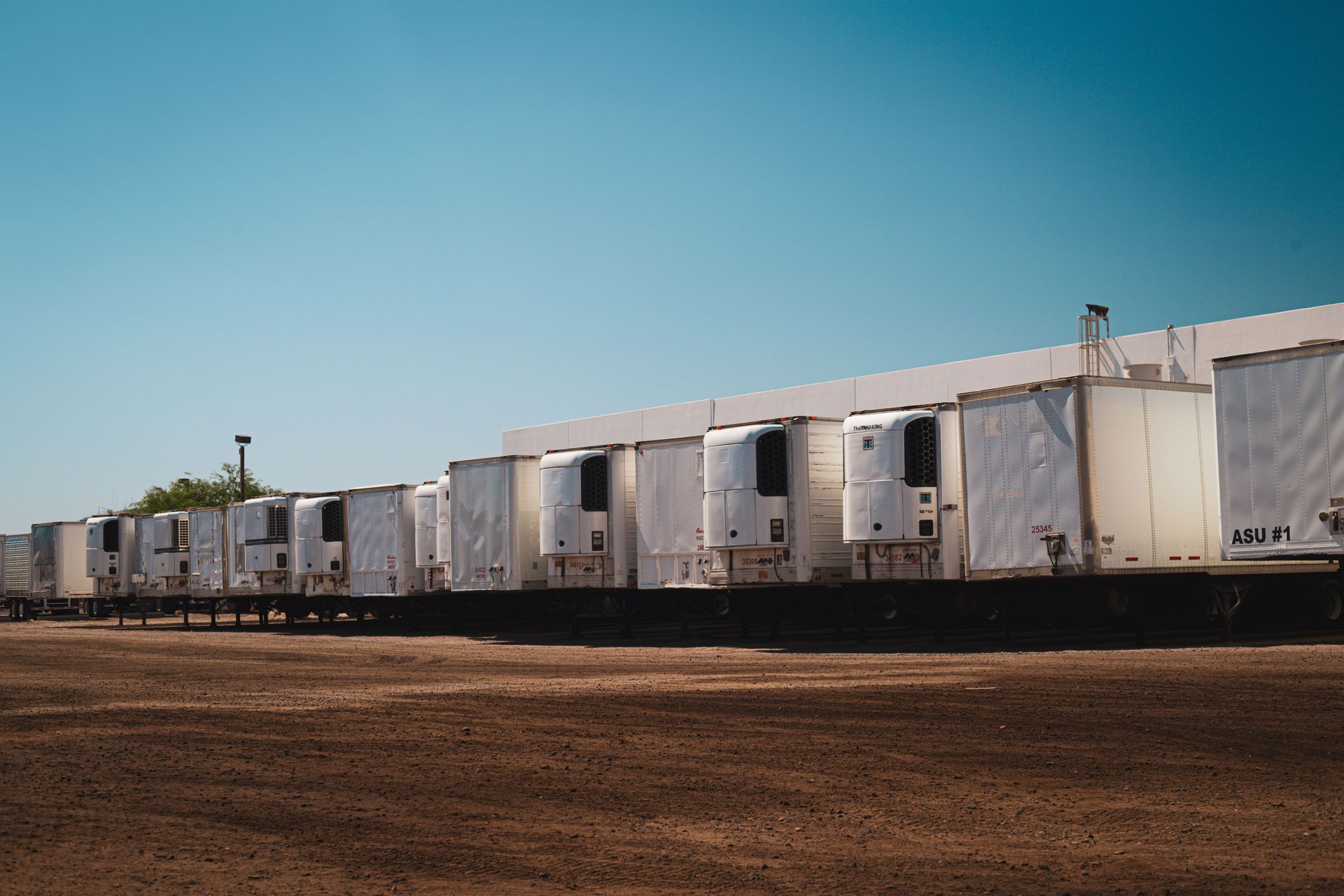
Trucking insurance in Texas in 2026 is brutal. Premiums are up 40-60 percent over 2020. New owner-operators are getting declined by half the market. If you're a captive trucking client, you're stuck with one carrier's underwriting appetite.
As an independent agency with appointments at Berkshire Hathaway Homestate, NICO, Bass Underwriters (E&S), Cover Whale, Atlantic Casualty, Pathpoint, and others, we can place tough trucking risks that captive agents can't touch. We also know which markets want hotshot, which want LTL, which want refrigerated, which want hazmat, and which to avoid for each.
What it costs you to use an independent agent
Nothing extra. We're paid commission by the carrier, just like a captive agent. The price you pay for a Progressive policy through TAP is the same price you pay buying it direct. The difference is that we ALSO have 14 other quotes for you, and one of them is usually better.
What you should ask any insurance agent
If you're shopping insurance and not sure if you're talking to a captive or independent agent, ask these questions:
1. 'How many carriers can you quote me?' Captive = 1. Independent = 5-30+.
2. 'If my renewal goes up 25 percent, can you shop it for me?' Captive = 'rates are rates.' Independent = 'yes, we'll shop it.'
3. 'Do you have appointments with [name a specialty carrier, Bamboo, NICO, Bass]?' If they don't know the name, they're captive.
Texas-specific reasons this matters in 2026
Hail zones expanding: DFW, Hill Country, and West Texas all seeing rate hikes 25-40 percent as carriers reprice the risk.
TWIA changes coming: coastal wind insurance is shifting again, independent agents see all the alternatives.
Trucking market hardening: captive carriers are non-renewing trucking risk; independent agencies have E&S options.
Auto rates flat for first time in 5 years: best time in half a decade to shop. If you haven't shopped in 12+ months, you're probably overpaying.
If you're paying captive rates and haven't compared in a year, give us 10 minutes. Worst case, we confirm you're already getting a good deal. Best case, we save you $500-$3,000.
Get a free comparison: (800) 666-2254 at TAP Insurance Agency, PLLC. Texas + Oklahoma licensed.