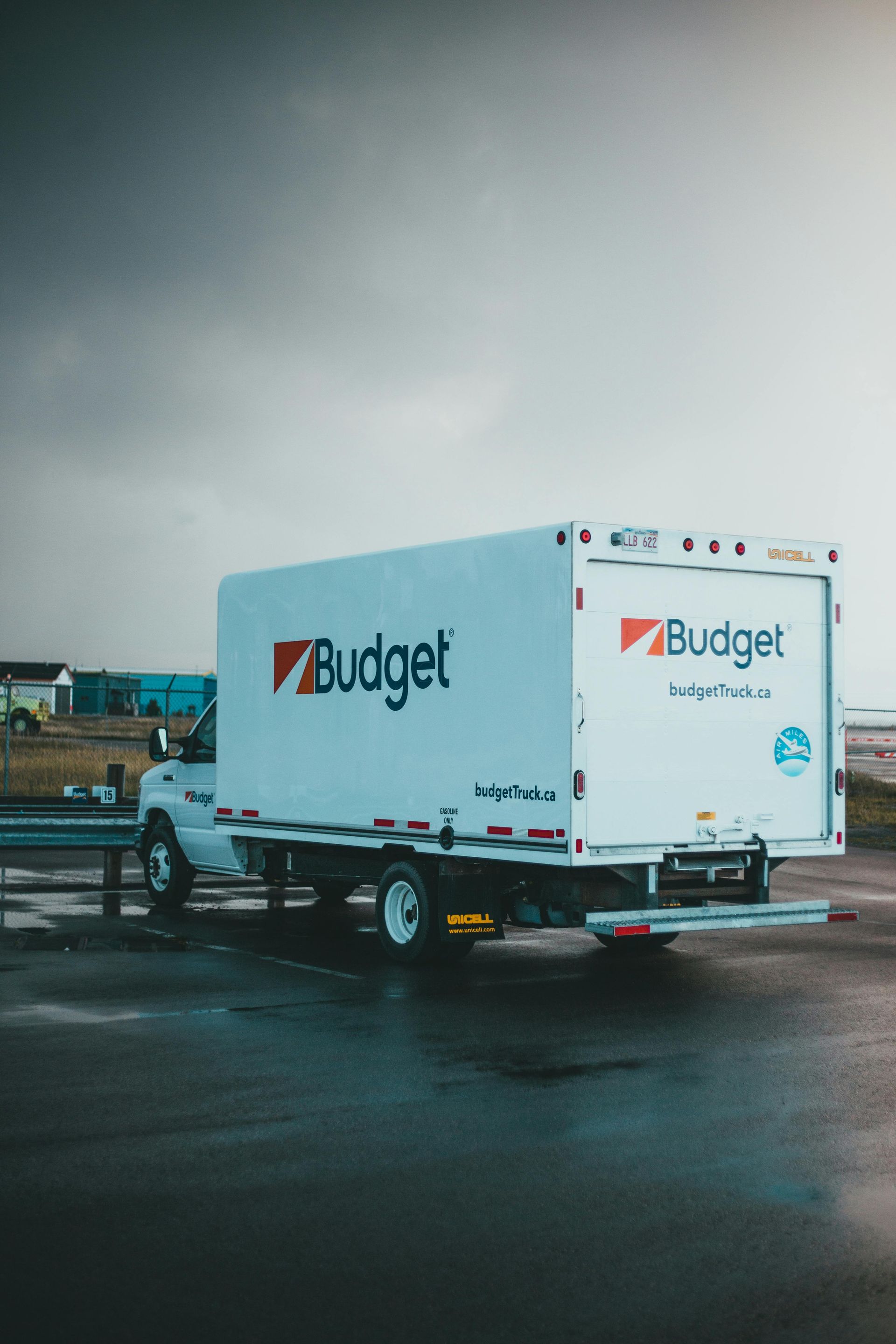
If you run a box truck in Texas — whether it's a single 26-foot Freightliner doing local delivery, a fleet of expediter sprinters, or a side hustle running Amazon Relay loads — your insurance situation is its own animal. It isn't personal auto. It isn't quite Class 8 over-the-road trucking. The carriers, the coverage limits, and the rating factors all sit in the middle, and that middle is where most owner-operators end up overpaying because their insurance agent treats it like the wrong category.
This guide is what we wish every Texas box truck operator knew before getting their first quote.
Why box trucks are their own insurance category
A box truck (sometimes called a straight truck or cube van) is anything from a 16-foot lightweight delivery vehicle up to a 26-foot Class 6 truck with a 26,000-pound GVWR. The insurance line you need depends on three things:
Get any of those wrong on your application and the carrier either declines you or comes back with a rate that's 25% higher than it should be.
What a Texas box truck policy actually includes
A complete box truck insurance program in Texas usually includes:
What it costs in Texas in 2026
Box truck insurance pricing has moved a lot since 2020. Current ranges for clean Texas operations:
These ranges assume $1M auto liability, $100K cargo, and physical damage on a truck valued $35K–$60K. Higher cargo limits, hazmat endorsement, or specialized commodity haul push the high end up. Texas-specific factors that move premium:
What we need to quote your Texas box truck
When you call us, having this list ready saves a week:
1.
DOT number — we pull your SAFER snapshot
2.
MC number (if for-hire interstate)
3.
Equipment list — year, make, VIN, GVW, value, financed/owned, any custom equipment
4.
Driver list — names, DOBs, CDL numbers, hire dates, years of experience
5.
5-year loss runs from prior carriers
6.
Radius of operation, commodities hauled, average annual mileage per unit
7.
Annual revenue — used for rating GL exposure
8.
Filings status — BMC-91 already on file? FF1 if you ever haul household goods?
If you have most of that, send what you have. We'll chase the rest with a signed Authorization to Release Records.
Why an independent agent matters more for trucking than for personal auto
Most personal auto carriers have similar pricing within 10–15% of each other on a clean account. Trucking is wider — Progressive Commercial, GEICO Commercial, Berkshire Hathaway, NICO, Cover Whale, Path point, and Bass Underwriters can quote the same risk with 30–40% spread between them depending on appetite that month. A captive agent who only writes one carrier can't show you that spread. An independent agent who submits in parallel to the right two or three markets can save you $2,000–$5,000 in year one alone.
That parallel-market submission is exactly what we built our trucking process around. We don't waste your time submitting to a market we already know will decline you. We pull SAFER first, read your story, then pick the two carriers most likely to quote competitively — plus an E&S backstop ready if standard markets decline.
Bottom line
Box truck insurance in Texas isn't simple, and the agents who treat it like it is are the ones leaving money on the table for you. We're a local independent agency in Rhome — we write box trucks and small fleets across DFW, Wise County, and the rest of North Texas every week. Send us your DOT number and we'll start the parallel-market submission today.
TAP Insurance Agency · Call (800) 666-2254