If your carrier just dropped you, hit you with a renewal you can't believe, or told you that you need an SR-22, you may have quietly been moved into the "high-risk" pool. It happens to good drivers across Texas all the time — a couple of speeding tickets, one at-fault accident, a short lapse in coverage, or a DWI can be enough. The good news: high-risk is a temporary label, not a life sentence, and you have far more options than the first company that said "no" would have you believe.
At TAP Insurance Agency, we're an independent agency in Rhome, TX, and we place high-risk drivers across DFW and North Texas every week. Here's a plain-English look at what high-risk auto insurance really is, what it costs, and how to start bringing your rate back down.
What Makes a Texas Driver "High-Risk"?
Insurance companies use your history to predict how likely you are to file a claim. A few things commonly push Texas drivers into the high-risk category:
- Multiple speeding tickets or moving violations in the past three years
- One or more at-fault accidents
- A DWI or DUI conviction
- Driving without insurance (a lapse in coverage)
- A license suspension or revocation
- Too many claims in a short window
- Young or newly licensed drivers with no track record yet
Any single one of these can raise your rate. A combination can get you non-renewed — meaning your current company simply declines to keep you when your term ends.
Standard vs. Non-Standard (High-Risk) Insurance
When a preferred carrier won't write you, the coverage doesn't disappear — it moves to what the industry calls the "non-standard" market. These are carriers that specialize in higher-risk drivers. The coverage still meets the same Texas minimums (30/60/25 liability), but the pricing and underwriting are built for drivers with a few dings on their record.
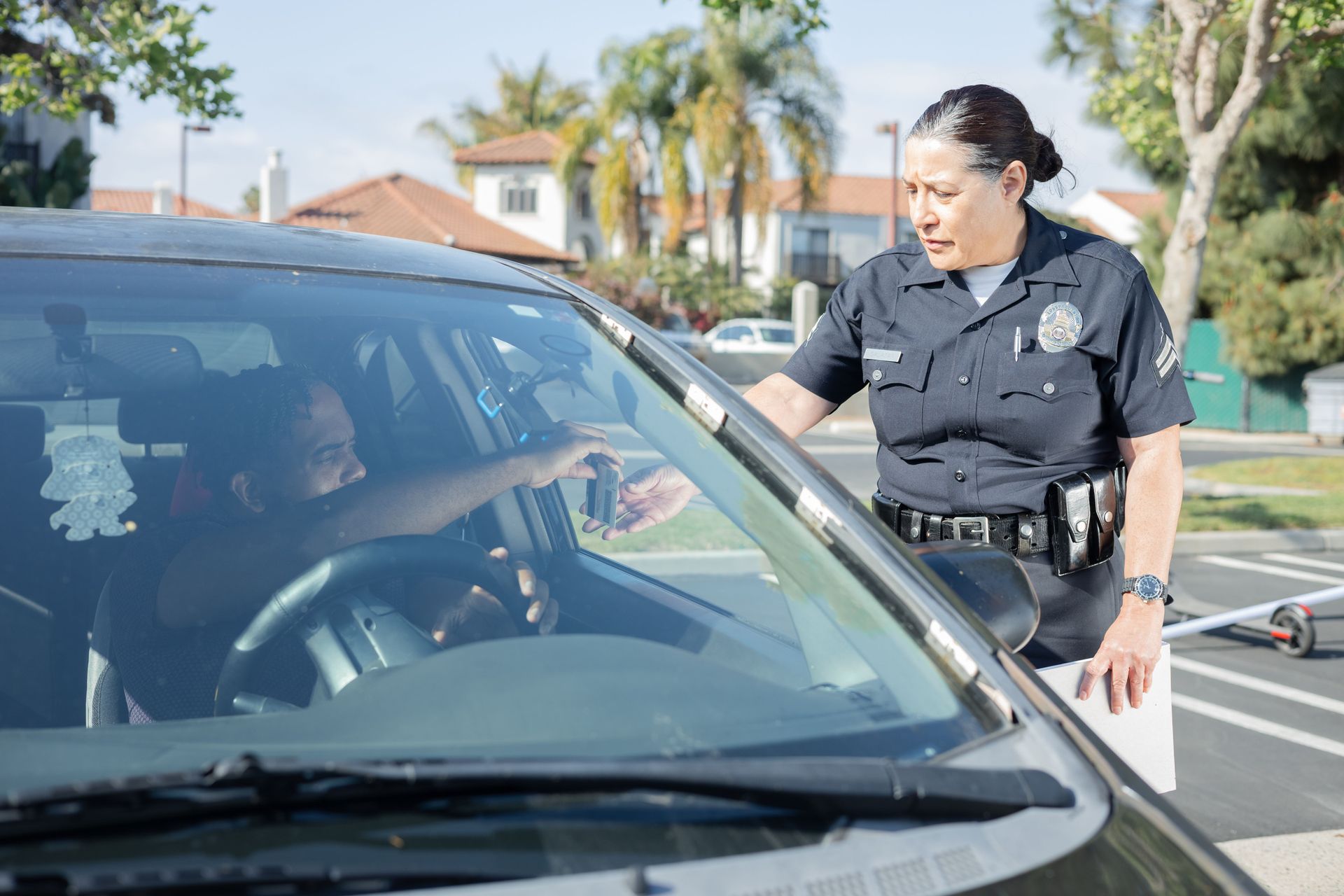
This is exactly where an independent agent earns their keep. A captive agent who only sells one company can't help you once that company says no. Because TAP works with a wide panel of carriers, we can shop your profile across multiple non-standard and standard markets at once and find the one that treats your specific situation most favorably. If a court has ordered an SR-22, that's a separate certificate your insurer files with the state — not a type of insurance. We break it down in our guide,
Do I Need SR-22 Insurance in Texas?
What Does High-Risk Auto Insurance Cost in Texas?
There's no single number — it depends on the violation, how recent it is, your ZIP code, your vehicle, and the coverage you choose. As a rough guide, high-risk drivers in Texas often pay anywhere from 30% to 90% more than a clean-record driver, and a DWI can more than double a premium. A single speeding ticket might add a modest surcharge, while a serious violation plus an SR-22 requirement will cost considerably more.
Two things are worth knowing. First, the surcharge is temporary — most violations affect your rate for about three years in Texas, then age off your record. Second, the gap between carriers is huge: the same driver can get wildly different quotes from different high-risk companies, which is why shopping matters more when you're high-risk than at any other time. For the SR-22 side of the math, see
How Much Does an SR-22 Cost in Texas?
6 Ways to Lower a High-Risk Auto Rate
Being high-risk doesn't mean you're stuck overpaying. Here's how DFW drivers bring the number down:
- Shop the whole market, not one company. This is the single biggest lever. An independent agency compares carriers so you're not stuck with the first "yes."
- Raise your deductible. Moving from a $500 to a $1,000 deductible can meaningfully cut your premium if you can cover the higher out-of-pocket after a claim.
- Keep continuous coverage. Never let your policy lapse — even a short gap re-flags you as high-risk and can undo months of progress.
- Take a defensive driving course. Texas allows an approved course to help with points, and it can qualify you for a discount with many carriers.
- Bundle where you can. Pairing auto with renters or homeowners often unlocks a multi-policy discount, even for high-risk drivers.
- Let the violation age off, then re-shop. Once a ticket or accident passes the three-year mark, ask your agent to re-quote — your rate may drop significantly.
How to Get Covered Again — Step by Step
- Don't drive uninsured. A lapse only deepens the hole. Texas requires 30/60/25 liability at a minimum, and driving without it risks fines plus license and registration suspension.
- Gather your details. Have your driver's license, vehicle information, and any court paperwork (including an SR-22 order) ready.
- Call an independent agent. This is where we come in — one conversation lets us shop multiple carriers instead of you filling out a dozen forms.
- Compare real quotes. Look at price and coverage together; the cheapest policy with the wrong limits can cost you far more after a claim.
- Bind and stay consistent. Once you're covered, set up autopay so you never miss a payment and slip back into a lapse.
Talk to a Texas Agent Who Places High-Risk Drivers
Being labeled high-risk is frustrating, but it's fixable — and you don't have to figure it out alone. TAP Insurance Agency helps drivers across Rhome, Fort Worth, Denton, and the wider DFW metroplex get back on the road with the right coverage at the best rate we can find, then keeps an eye on it so you're not overpaying once your record improves.
Call or text us at (800) 666-2254, or visit tapinsuretx.com for a free, no-pressure quote. If a DWI is part of your situation, our guide on
what happens to your Texas auto insurance after a DUI or DWI is a good next read.