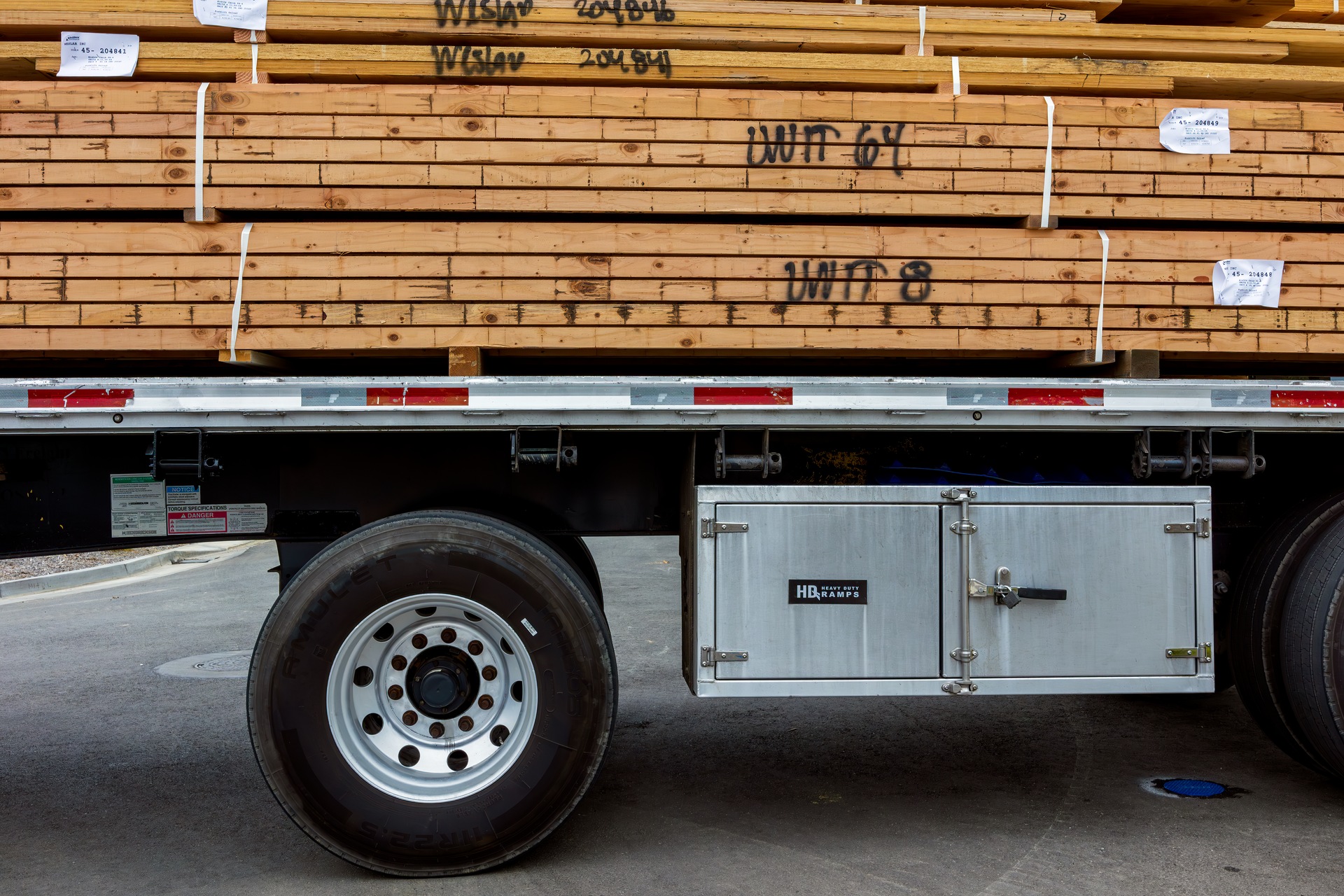
If you haul freight for a living, the truck is only half of what's on the line. The other half is whatever is strapped to the trailer behind you — and that cargo is often worth far more than the rig itself. Motor truck cargo insurance is the coverage that pays to repair or replace freight that's damaged, destroyed, or stolen while it's in your care. In Texas, where thousands of owner-operators and small fleets run the I-35, I-20, and US 287 corridors every day, it's one of the most misunderstood policies in a trucker's file.
At TAP Insurance Agency in Rhome, we write a lot of trucking accounts across DFW and North Texas, and cargo coverage is where we see the most surprises at claim time. Here's a plain-English breakdown of what motor truck cargo insurance actually covers, the limits and exclusions that trip people up, and how to make sure your policy matches the loads you're really hauling.
What motor truck cargo insurance actually covers
Motor truck cargo (MTC) insurance is a first-party coverage that protects the property you're transporting for a customer. If a load of electronics is ruined when your trailer catches fire, or a shipment of produce spoils because a reefer unit quits, MTC is the policy that responds. It typically covers loss or damage caused by things like collision, overturn, fire, theft, and — with the right endorsement — refrigeration breakdown.
It is not the same thing as your auto liability. Your commercial auto liability pays for damage you cause to other people and their property. Cargo insurance pays for the freight itself. Brokers and shippers almost always require proof of it before they'll tender a load, and most contracts spell out a minimum limit — commonly $100,000, though high-value freight can demand $250,000 or more.
How much cargo coverage do you actually need?
The right limit isn't a guess — it's driven by the value of your heaviest single load. A common mistake is buying a $100,000 limit because "that's what the broker asked for," then hauling a $180,000 load of machinery and discovering the gap only after a wreck. Consider these factors when setting your limit:
- Commodity value. Electronics, pharmaceuticals, and finished goods carry far higher per-load values than sand or scrap.
- Full trailer vs. LTL. A full truckload of a single high-value commodity concentrates your risk in one shipment.
- Contractual requirements. Some shippers and freight brokers require specific limits and named-peril endorsements before you can be dispatched.
- Refrigerated freight. Reefer loads need a breakdown endorsement; without it, a spoiled load from a failed unit is usually denied.
If your loads vary widely, it's often smarter to carry a limit that covers your worst case rather than your average. The premium difference between $100,000 and $250,000 is usually far smaller than the cost of eating an uncovered claim.
The exclusions and gaps that bite
Most cargo disputes don't come from the covered perils — they come from the fine print. These are the gaps we see hurt Texas truckers most often:
- Excluded commodities. Many standard policies exclude or sub-limit high-theft items like alcohol, tobacco, electronics, and pharmaceuticals. If you haul them, that exclusion has to be bought back.
- Reefer breakdown. Refrigeration failure is frequently excluded unless you add the endorsement and can show the unit was properly maintained.
- Unattended vehicle theft. Leave the truck running at a truck stop and lose the load, and a theft claim may be denied under an unattended-vehicle clause.
- Improper loading and securement. Damage caused by poor load securement can be excluded — a real risk on flatbed and hotshot work.
- Debris removal and pollution. Cleanup after a spill can far exceed the freight's value, and base policies often cap or exclude it.
Reading these clauses before you sign is the difference between a covered loss and a five-figure surprise. As an independent agency, we can compare cargo forms across multiple carriers instead of forcing you into one company's fine print.
How cargo coverage fits your whole trucking program
Cargo is one piece of a complete trucking insurance program. A well-built file for a Texas owner-operator usually pairs it with primary auto liability that meets your
FMCSA filing requirements, physical damage on the tractor and trailer, and the right liability coverage for when you're not under dispatch. If you've ever wondered how those pieces interact — or why your bill keeps climbing — our guide on
why trucking insurance is so expensive in 2026 breaks down the market forces at work.
It's also worth understanding the difference between coverage that applies while you're under a load versus when you're deadheading or running the truck for personal reasons. Our breakdown of bobtail vs. non-trucking liability explains those gaps in detail — and they're the kind of thing brokers rarely spell out for you.
Texas-specific considerations
North Texas is a freight hub, and that comes with real exposure. Cargo theft tends to cluster around major distribution corridors and metro truck stops, and DFW sees its share. Hail and severe storms — a constant in Wise, Denton, and Tarrant counties — can damage exposed flatbed and open loads. And the heavy oilfield and construction traffic on US 287 means a lot of high-value equipment moving on hotshot rigs, where securement and commodity exclusions matter most. A cargo policy built for a produce hauler is not the policy an equipment hauler needs.
What to do the moment a cargo loss happens
Good documentation protects your claim. If freight is damaged or stolen, photograph everything, keep the bill of lading and delivery paperwork, note the time and location, and report the loss to your agent and carrier right away. Get a police report for theft, and never sign a clean delivery receipt for a damaged shipment. The truckers who recover fully are almost always the ones who built a clear paper trail before the adjuster ever got involved.
Get a cargo policy that matches your loads
The goal is simple: your cargo limit, endorsements, and exclusions should line up with the freight you actually haul — not a generic template. At TAP Insurance Agency, we shop your trucking coverage across multiple carriers, read the fine print with you, and make sure a claim doesn't leave you holding the bill. Call or text us at
(800) 666-2254 or visit
tapinsuretx.com for a free quote. We're an independent Texas agency — we work for you, not the carrier.