If you have ever stared at your Texas auto insurance renewal and wondered whether you are paying for coverage you do not need, you are not alone. The single biggest question we field from Dallas–Fort Worth drivers is simple: do I really need full coverage, or can I drop to liability-only and save? The honest answer is that it depends on your car, your loan, and how much financial risk you can comfortably absorb. Let's break down exactly what each option covers so you can make the call with confidence.
What "Liability-Only" Actually Means in Texas
Liability-only insurance covers the damage you cause to other people and their property. It does nothing for your own vehicle. In Texas, the state minimum is 30/60/25 — that is $30,000 in bodily injury per person, $60,000 per accident, and $25,000 in property damage. If you rear-end someone on I-35W, liability pays for their car and their injuries up to those limits. Your own bumper is on you.
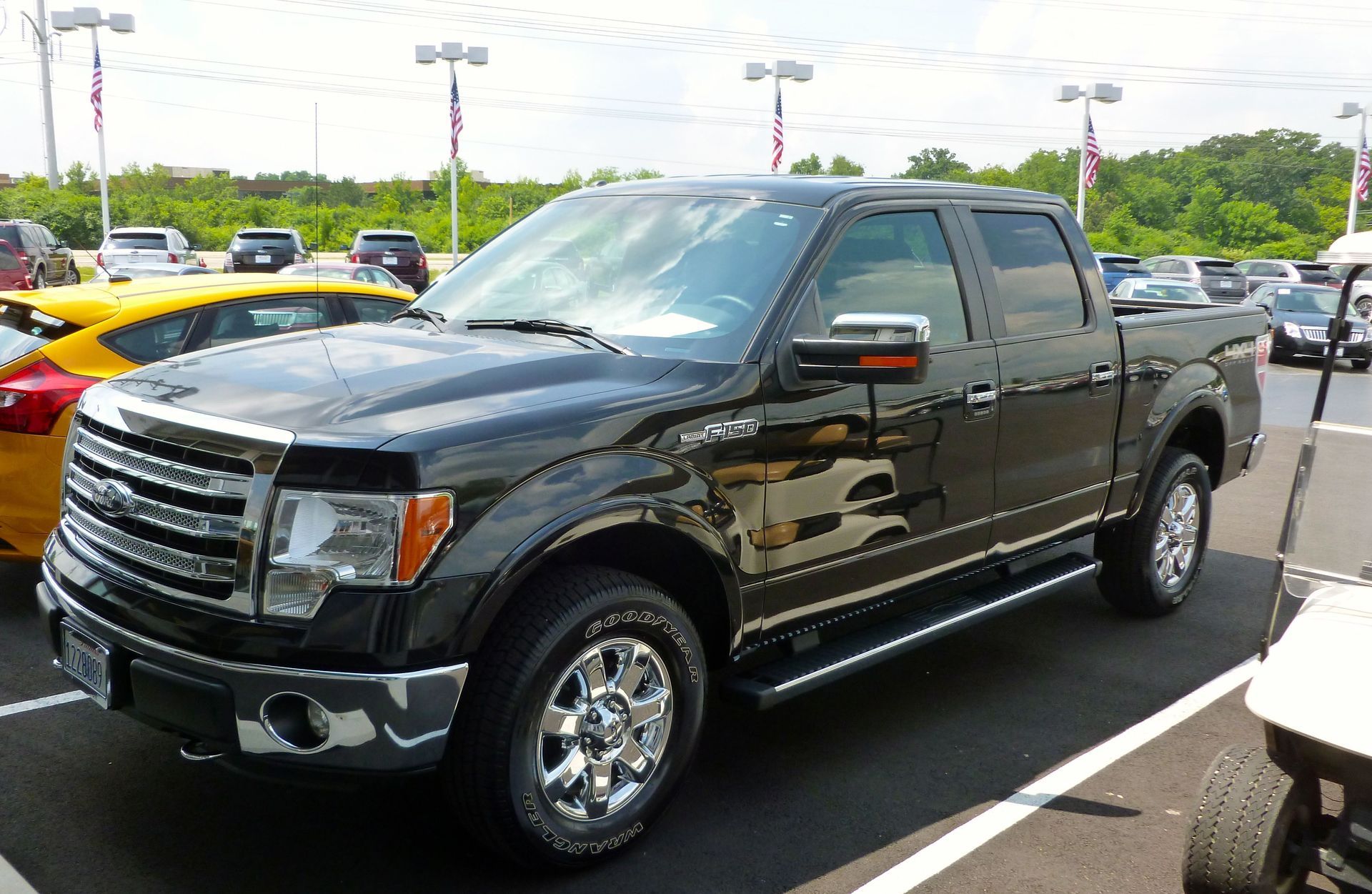
Here is the catch most drivers miss: those state minimums are low. A single late-model pickup can easily cost more than $25,000 to repair or replace, and one serious injury claim can blow past $60,000 in a hurry. Carrying only the bare minimum keeps you legal, but it can leave you personally exposed if you cause a bad wreck. That is why many DFW drivers choose liability-only but raise their limits well above the state floor.
What "Full Coverage" Really Includes
"Full coverage" is not an official policy type — it is shorthand for liability plus two coverages that protect your own vehicle: collision and comprehensive. Collision pays to repair or replace your car after an accident no matter who is at fault. Comprehensive covers the non-collision events: hail, theft, vandalism, fire, flooding, and the deer that darts out on a country road near Rhome. If you want the full rundown on that second piece, our guide to
what comprehensive auto insurance covers in Texas walks through it in plain English.
Most so-called full-coverage policies also fold in extras worth having, like uninsured/underinsured motorist protection and personal injury protection. Given that roughly one in seven Texas drivers is uninsured, those add-ons carry real weight across the DFW metroplex.
The Real Cost Difference for DFW Drivers
Full coverage costs more than liability-only — often two to three times as much, depending on your vehicle, driving record, and ZIP code. That gap is exactly why the question comes up. But the smart way to think about it is not "cheaper versus more expensive." It is "what would it cost me out of pocket if my car were totaled tomorrow?" If the answer is a number you cannot easily write a check for, the extra premium is buying peace of mind you actually need.
When Liability-Only Makes Sense
Dropping to liability-only can be a smart, money-saving move in a few specific situations. Your car is paid off and worth only a few thousand dollars, so you might spend more on collision and comprehensive premiums over a few years than you would ever collect in a claim. You have enough savings to replace the car yourself, meaning a total loss would be an inconvenience rather than a financial crisis. Or you have a reliable backup vehicle, so losing an older second car would not strand your household.
When You Should Keep Full Coverage
On the other hand, full coverage is usually the right call — and sometimes a required one. If you financed or leased the car, almost every lender and leasing company requires collision and comprehensive, and many also want gap coverage. Our post on
gap insurance for auto loans explains why the loan payoff and the car's value can drift apart, leaving you owing more than the vehicle is worth. If your car is newer or still holds significant value, the more it is worth, the more you stand to lose. And if you could not comfortably replace the car out of pocket, that is the real test — keep the coverage.
The Hail Factor: Why North Texas Is Different
Here is where DFW drivers need to pay special attention. North Texas sits in one of the most active hail corridors in the country, and hail damage is covered only under comprehensive. Drop to liability-only, and a single spring storm that dents your hood and cracks your windshield comes straight out of your wallet. We have watched drivers save a little on premium only to face thousands in hail repairs a few months later. Before you cut comprehensive, be honest about the odds — around here, they are not in your favor.
How to Decide: A Quick Gut Check
Ask yourself three questions. First, do I still owe money on this car? If yes, you likely have to keep full coverage. Second, could I write a check to replace this car today without real pain? If no, keep full coverage. Third, is the annual savings from dropping collision and comprehensive worth risking the full value of my car to hail, theft, or an at-fault wreck? If the numbers do not clearly favor dropping it, they probably favor keeping it. Whatever you decide about your own vehicle, it almost never pays to skimp on liability limits — that is the coverage protecting everything you own.
Not Sure Where You Land? Let's Shop It Together
The best part of working with an independent agency is that we do the comparison for you. We can run your exact vehicle and driving profile across multiple carriers, show you the real cost of full coverage versus liability-only side by side, and help you set limits that fit your life. If you want more ways to trim your bill without giving up protection you need, start with our list of
7 ways to save on Texas auto insurance.
Ready to see your options? Call or text TAP Insurance Agency at (800) 666-2254, or visit tapinsuretx.com for a free, no-pressure quote. We are your neighbors here in Rhome and across the DFW metroplex, and we will help you find the right coverage at the right price.