A Tenant's Guest Fell on the Rental's Porch Steps: Who Does the Landlord Policy Defend?
When someone other than your tenant is hurt, the claim usually starts with the landlord's liability coverage, and the limit may be smaller than you think.
Free quote from TAP Insurance Agency — call (800) 666-2254 or text QUOTE to (817) 646-6700.
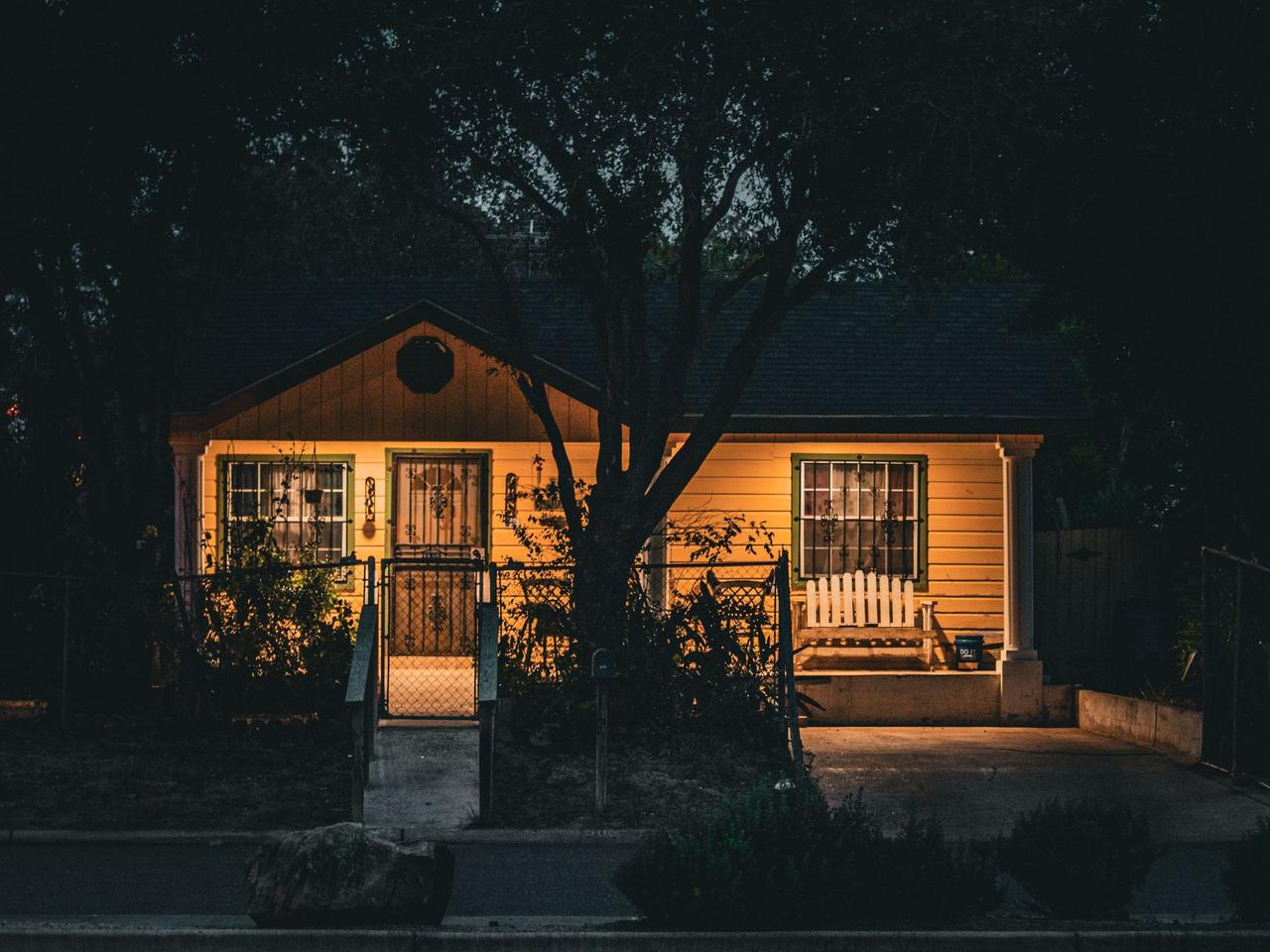
Picture a landlord who owns a single-family rental in a North Texas town. A tenant's cousin steps onto the front porch during a get-together, a board gives way, and the cousin ends up in the emergency room. The tenant is shaken, the family is asking questions, and the landlord's phone rings with one question: whose insurance handles this?
When someone other than the tenant is hurt at a rental, the claim usually points first at the landlord's liability coverage, not at the tenant's renters policy. That liability section may defend the owner and pay a covered settlement or judgment, and a small medical payments coverage may pay the first medical bills without anyone proving fault. The limit is the part owners most often find too low.
Who pays when a tenant's guest is hurt at a Texas rental?
Two policies can be involved after a guest injury, and they answer different questions. The landlord's policy responds to the owner's responsibility for the condition of the property. The tenant's renters policy responds to the tenant's own actions, such as something the tenant did that hurt a guest.
In the porch scenario, the injury came from a board that gave way, which is a condition of the structure and not something the tenant did. That points toward the owner. Who actually gets named in a claim varies: it may be the owner, an LLC that holds title, a property manager and sometimes the tenant as well. Fault is decided on the facts and, if it comes to that, by an attorney and a court, so none of this is a prediction for any one claim.
One policy limit has to cover everything the claim brings, and that is where the umbrella policy that sits above the primary landlord liability can matter. That is all this post says about it, because it has its own post. Here the focus stays on how the primary liability response works for a single injury.
What does the liability part of a landlord policy actually cover?
A landlord policy, often written on a DP-3 or a similar dwelling form, usually has separate parts. The dwelling coverage pays to repair the building after a covered loss such as fire or wind. The personal liability coverage is a different section altogether, and it responds when someone says the owner is legally responsible for their injury or for damage to their property.
If a claim or lawsuit is filed, the liability section generally gives the carrier a duty to defend the owner, which means it pays for a defense attorney, and then pays a covered settlement or judgment up to the limit. How defense costs are counted differs from form to form. On some they sit outside the limit, and on others they reduce it, so ask which applies to your policy.
Liability coverage has exclusions too. Intentional acts, some animal liability, and injuries tied to a business activity beyond the rental itself may be limited or excluded, depending on the form. Read the exclusions before you assume every guest injury is covered.
What is medical payments coverage and when does it apply to a guest?
Medical payments to others is a small, no-fault coverage on many landlord and homeowners forms. It may pay reasonable medical bills for a guest hurt on the premises no matter who was at fault, up to a modest limit shown on the declarations page. It is separate from the liability limit.
That makes it useful in a scenario like the porch fall. The emergency room bills may be paid without a lawsuit and without an argument about blame, and a prompt, fair response can keep a small injury from growing into a dispute. Medical payments usually does not apply to the tenant or to people who live in the unit, and it often has a time window after the accident, so report the injury quickly.
It does not replace liability coverage. If the injured person's bills and other losses go past the medical payments limit, or the person claims the owner was negligent, the matter moves to the liability section. Ask your carrier how medical payments are handled and what notice it expects.
Does the tenant's renters insurance respond too?
A tenant's renters policy has its own personal liability coverage, and it may respond if the tenant is sued over something the tenant did or failed to do. If the guest's injury connects to the tenant's conduct, such as a hazard the tenant created or ignored, the renters liability may be asked to respond alongside the owner's coverage.
Many owners start by requiring renters insurance in the lease, and that helps most when the tenant is the cause of the loss. It does not make the landlord's liability coverage unnecessary. The owner is still responsible for the structure, and both policies may end up involved, each looking at its own insured's share of the fault.
Renters coverage also depends on whether the tenant actually bought it and kept it active. A lease clause is not a policy. If the owner collects proof of coverage at move-in and again at renewal, there is less guessing after an accident.
How do maintenance records and repairs affect a premises liability claim?
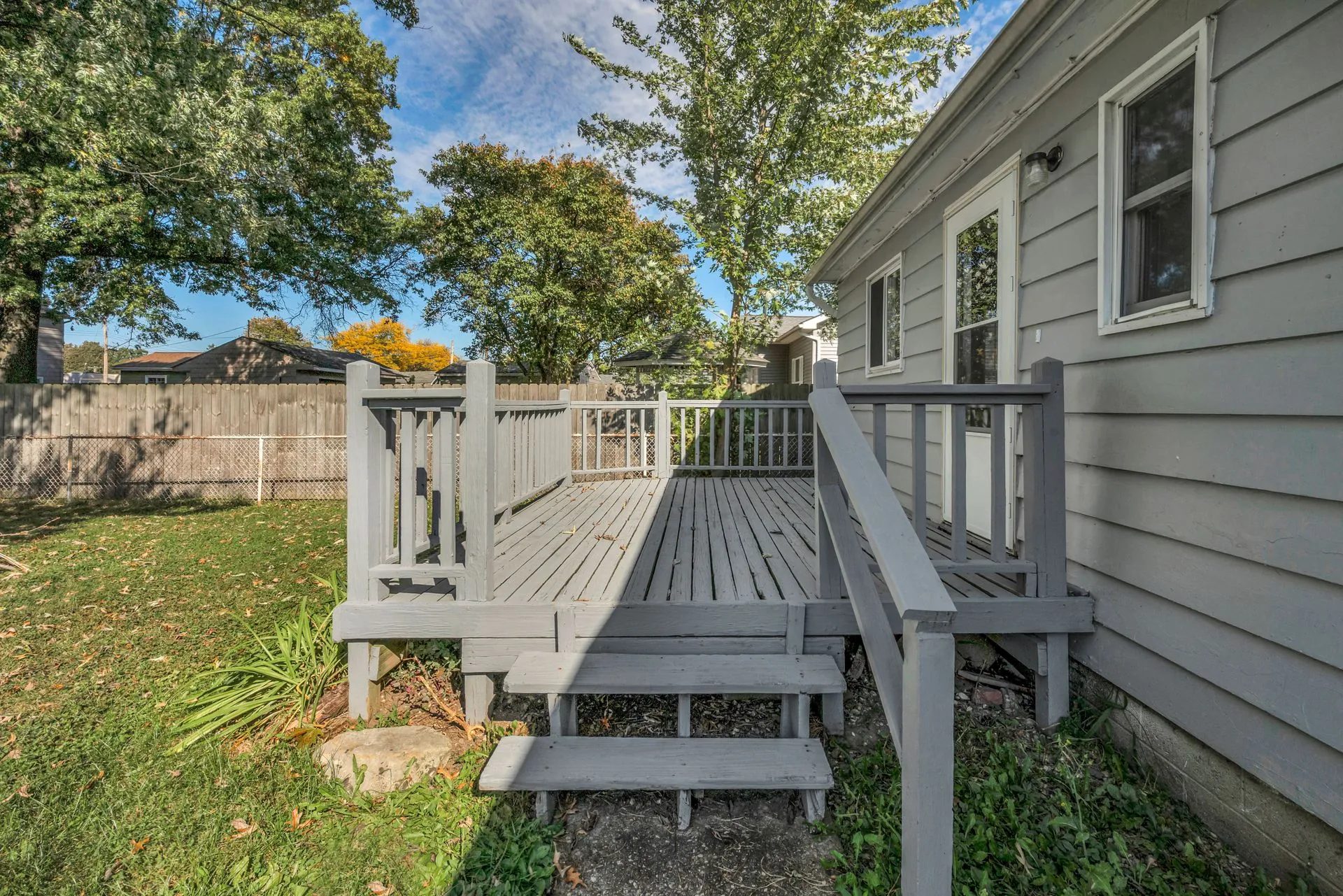
In a premises liability claim, the question is often whether the owner knew or should have known about the hazard and acted reasonably. Steps, railings, loose boards, handrails, exterior lighting and walkways are the usual suspects. Records of inspections, repair requests and completed work may show what the owner knew and when.
Say the tenant mentioned a soft porch board in a text message a month before the fall. Whether that message was answered, and how quickly, may matter a great deal to how a claim is evaluated. Keep repair requests, photos and receipts in one place, and fix reported hazards promptly, because a repair made after an injury does not undo the injury.
Report the incident to your carrier early, even when the injured person says it is minor. Late notice can create problems under the policy conditions, and it is easier to close a claim that was reported than to explain one that was not. Avoid promising the injured person who will pay, and take legal questions about responsibility to an attorney.
How do you know if your landlord liability limit is high enough?
The liability limit is the most the policy will pay for a covered claim, and it is chosen when the policy is bought. A limit that felt fine for a modest rental can look small next to a serious injury with surgery, lost wages and a long recovery. Medical payments is far smaller still, by design.
Three questions help. How much would you lose if a judgment went past the limit, such as the equity in the rental or other assets? Is the property owned personally or through an entity, and does the policy name the right insured? And do you own more than one rental, so that one limit has to protect several doors?
A higher primary limit or a separate excess layer can close the gap, and the right amount depends on your assets and comfort with risk. If you want to see what a higher limit looks like on your rental, you can request a landlord insurance quote and we will compare options across markets. TAP Insurance Agency is an independent agency, so we can look at more than one form.
Call (800) 666-2254 or text QUOTE to (817) 646-6700 · tapinsuretx.com
Educational only; coverages and availability vary by carrier. TAP Insurance Agency, PLLC — Rhome, TX, licensed in Texas and Oklahoma.
— TAP Insurance Agency · Call (800) 666-2254 — or text QUOTE to (817) 646-6700 · tapinsuretx.com