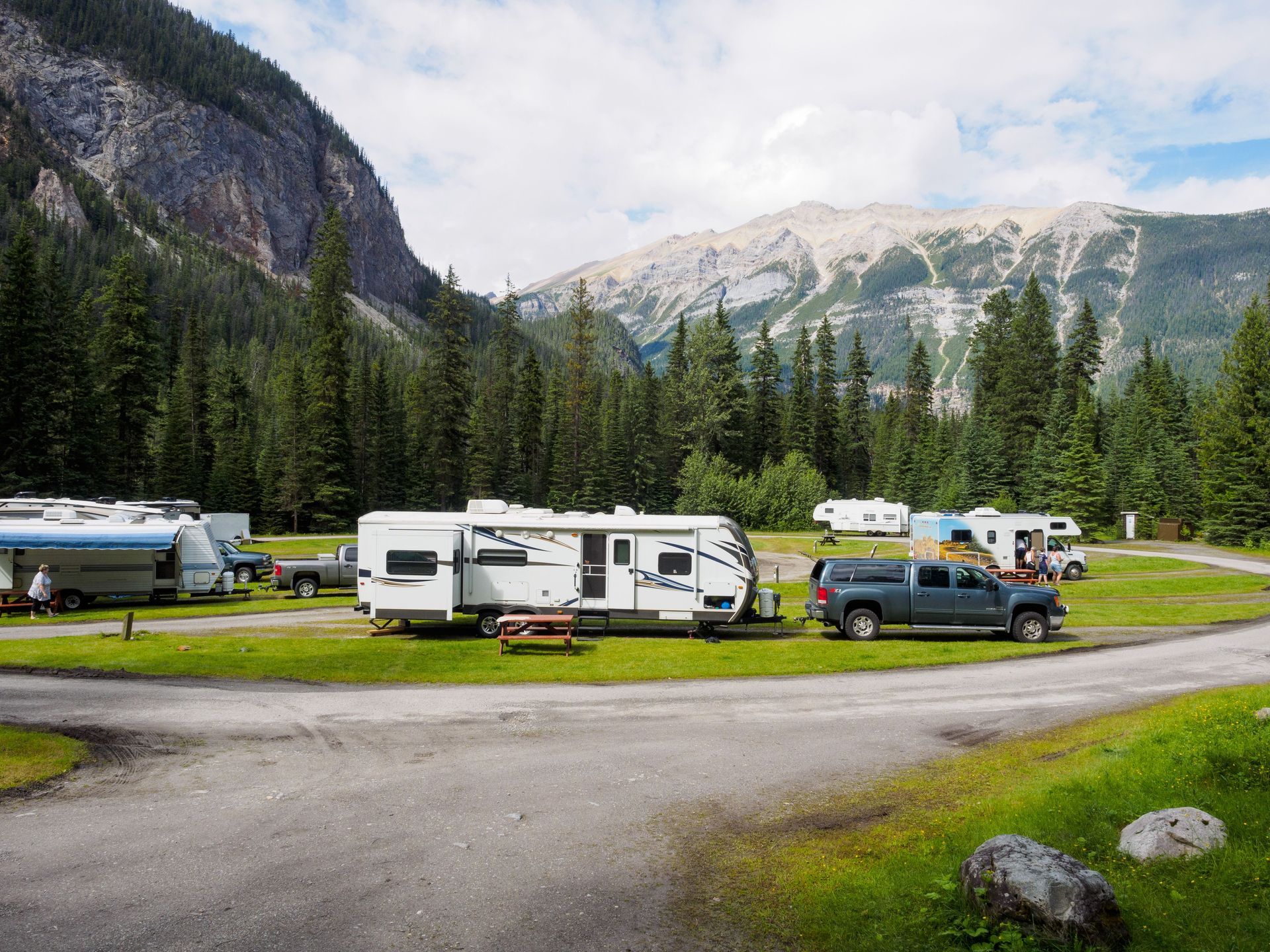
Summer in Wise County means open highways, full campgrounds, and RVs rolling down US-287 toward the Hill Country, the coast, and points beyond. If you have bought a motorhome or travel trailer — or you are about to — there is one question worth answering before you turn the key: is it actually insured for the trip? A lot of Texas drivers assume their auto policy stretches to cover the camper in the driveway. It does not, at least not the way you would hope. Here is what RV insurance really covers, why it matters on a Texas summer trip, and how to make sure you are protected before you hit the road.
Why your auto policy will not cover your RV
Your personal auto policy is built for daily-driver cars and trucks. A motorhome is a different animal — it is a vehicle and a home on wheels, with a kitchen, plumbing, electronics, and thousands of dollars of belongings inside. Travel trailers and fifth wheels are not self-powered at all, so they fall into a coverage gap most people never notice until there is a claim.
- Motorhomes (Class A, B, and C): These are motorized, so Texas requires the same minimum liability as any vehicle — 30/60/25. But your auto policy usually will not extend collision, comprehensive, or the specialized coverages an RV needs.
- Travel trailers and fifth wheels: When towed, your truck liability may extend to the trailer, but there is typically no coverage for damage to the trailer itself or the belongings inside it. That is a big exposure on a $40,000 camper.
Driving off with the wrong coverage can leave you paying out of pocket for exactly the losses that are most likely on a long trip.
What RV insurance actually covers
A proper RV policy is built around how these vehicles are used. Depending on the type and how you travel, coverage can include:
- Liability — bodily injury and property damage you cause to others (required on motorized RVs).
- Collision and comprehensive — damage to your RV from an accident, hail, theft, fire, or animal strikes.
- Total loss replacement — on newer RVs, pays to replace with a comparable new unit instead of a depreciated cash value.
- Personal belongings coverage — protects the gear inside: clothes, electronics, camping equipment, and outdoor furniture.
- Roadside assistance and towing — critical, because towing a 30-foot motorhome costs far more than towing a sedan.
- Vacation and campsite liability — covers you when the RV is parked and set up as a temporary residence.
- Full-timer coverage — home-style liability and contents protection if you live in your RV year-round.
- Attached accessories — awnings, satellite dishes, and add-ons a standard auto policy ignores.
Texas-specific things to keep in mind
A few realities make RV coverage especially worth getting right in North Texas:
- Hail. DFW is one of the hardest-hit hail regions in the country, and an RV parked in your driveway or a storage lot is a giant target. Comprehensive coverage is what pays for hail damage, so do not skip it. If you own a home too, review your other summer exposures in our guide to
summer insurance moves to make before storm season peaks.
- Uninsured drivers. Roughly 14% of Texas drivers carry no insurance. Uninsured/underinsured motorist coverage on your RV protects you if one of them hits you on the highway.
- Storage months. Many owners only use an RV a few months a year. Ask about suspended or reduced coverage during storage so you are not overpaying — while keeping comprehensive active for hail and theft.
Towing a boat or trailer too?
Summer in Wise County is not just about RVs. If you are heading to Lake Bridgeport or Eagle Mountain Lake with a boat behind the truck, that is a separate conversation — your watercraft needs its own protection. We break it down in our post on
boat insurance for Wise County lakes. The same logic applies: the thing you are towing usually needs coverage the tow vehicle policy does not provide.
How much does RV insurance cost — and how to save
RV premiums vary widely based on the type (a Class A diesel pusher costs more to insure than a pop-up), the value, how often you use it, where it is stored, and your driving record. The good news is there are real ways to keep it affordable:
- Bundle it. Combining your RV with your auto and home policies through one independent agency often unlocks multi-policy discounts.
- Store it smart. Covered or gated storage can lower comprehensive costs.
- Take a safety course. Some carriers reward completing an RV driving course.
- Right-size your coverage. Full-timer coverage is overkill for a weekend camper, and storage-season adjustments help part-time users.
Because TAP Insurance Agency is independent, we shop multiple carriers to match your rig and your budget instead of forcing you into one company box. While you are planning trips, it is also a smart time to review your auto coverage — our guide on
lowering your auto insurance before road-trip season has quick wins.
Get road-ready before you leave
Before your first big trip, run through this quick checklist:
- Confirm your RV has its own policy, not just an auto-policy assumption.
- Make sure comprehensive is included for hail and theft.
- Check that personal belongings and attached accessories are covered.
- Add roadside assistance sized for a heavy vehicle.
- Review your liability limits, and consider an umbrella policy if you tow, host, or travel often.
A ten-minute review now can save you a ruined vacation and a big out-of-pocket bill later.
Who needs RV insurance in Wise County?
If you own a motorhome, travel trailer, fifth wheel, pop-up camper, or truck camper, you need coverage built for it — whether you camp one weekend a year or live on the road full time. Weekend warriors, retirees touring the state, and families making the annual summer trip all face the same risks: hail, theft, collisions, and liability when the RV is parked and set up at a campsite. The right policy scales to how you actually use your rig, so you are never paying for coverage you do not need or missing the protection you do.
Talk to a local agent before you roll out
Planning a summer of adventures? Let us make sure your RV — and everything you are towing — is protected before you leave the driveway. Call or text TAP Insurance Agency at (800) 666-2254, or visit tapinsuretx.com for a free quote. We are your local, independent agency right here in Rhome, serving Wise County and all of North Texas.