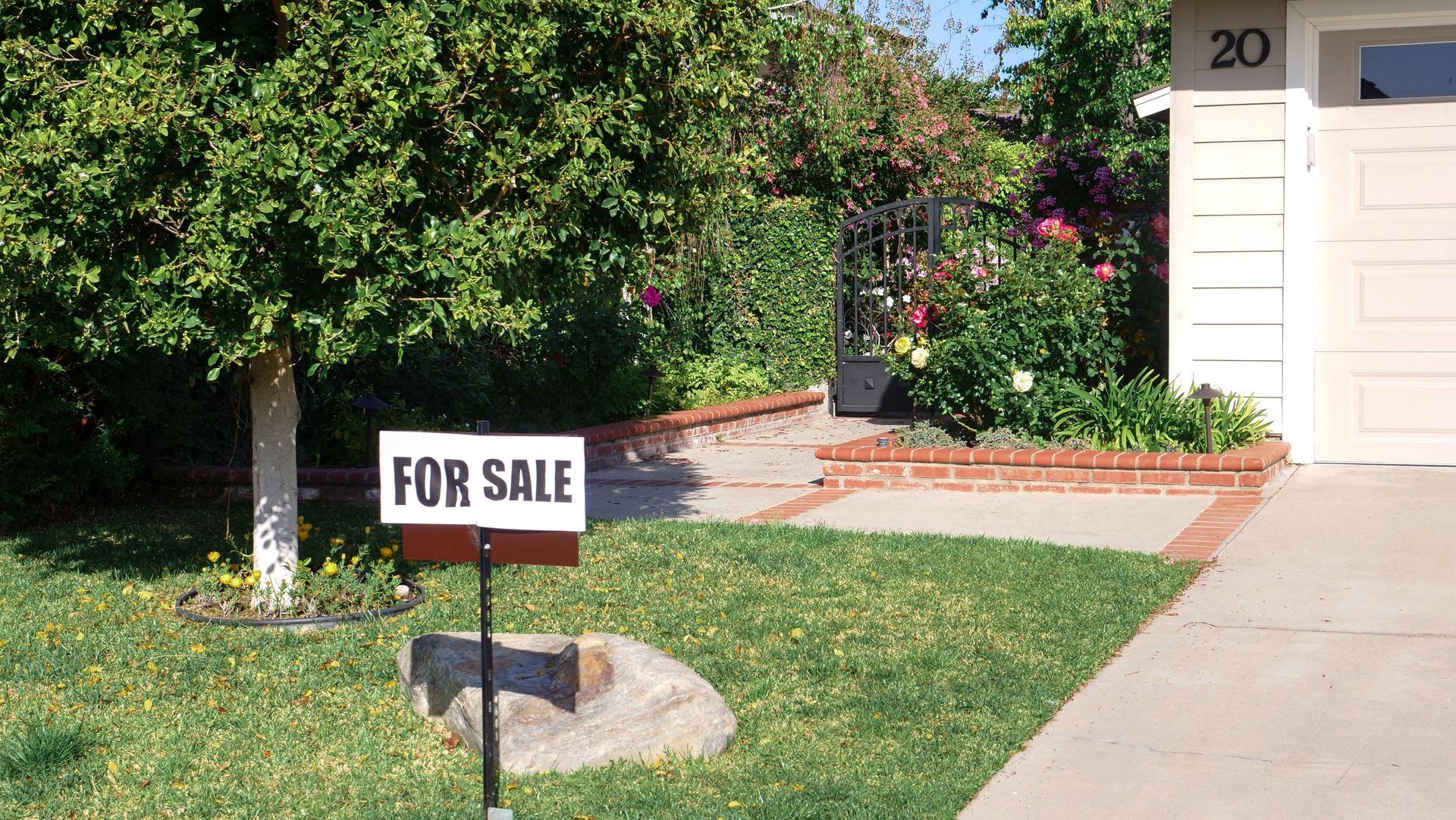
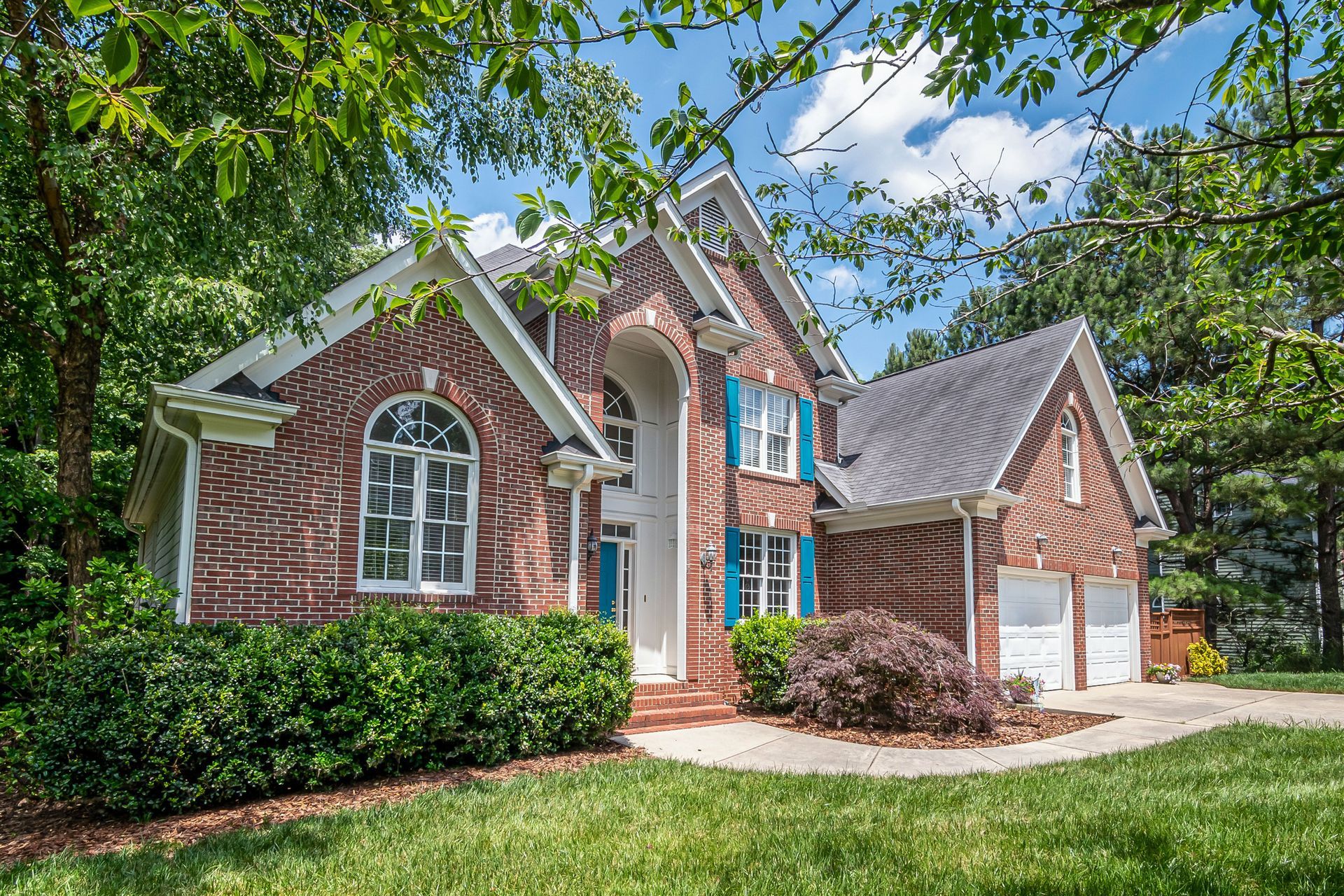
Ray's mother passed in the spring. The house in Decatur has sat empty since — furniture gone, utilities still on, nobody home while the family works through probate and decides whether to sell it or rent it out.
Nobody did anything wrong here. It's just a house waiting on a decision nobody's ready to make, sitting on a quiet street where the neighbors still wave at the mail carrier out of habit.
What Ray didn't realize until he called his agent is that the policy on that house had been quietly changing the whole time, even though nothing about the property itself had changed at all. He'd been driving by every week or two, checking that the doors were locked and nothing looked disturbed. For a while, that felt like enough.
Vacant and unoccupied are not the same word
Insurers draw a real distinction between the two, and it is worth understanding before you assume your situation is fine. Unoccupied generally means furnished and habitable, but nobody is actively living there. A vacation home between visits is the classic example — still stocked with furniture, ready for someone to walk back in — and most policies treat it fairly normally.
Vacant generally means no contents and no one living there at all, which is exactly what Ray's house became once the furniture was cleared out. That is the category that triggers real restrictions. A house with a couch and a bed can still read as unoccupied even if nobody has slept there in months, while a completely empty house crosses into vacant status almost immediately.
The 30-to-60-day clock most people never hear about
Most homeowners policies do not spell this out in plain language, but a vacancy clock starts running once the last piece of furniture leaves or the last resident moves out. Coverage on certain losses commonly starts to narrow once a home has sat vacant for 30 or 60 consecutive days, though the exact threshold depends on the carrier and the policy form.
It is rarely written as a dramatic notice. It is just a clause sitting in the policy until it applies, and most homeowners never read that far into the form until they need to. Ray had no idea the clock existed; he assumed that as long as premiums were paid and the house stayed locked, the policy worked exactly the way it always had.
What drops off first: vandalism, glass, and water
Vandalism and malicious mischief coverage is typically the first thing restricted or excluded, on the logic that an empty house is more exposed and nobody is there to report trouble quickly. A broken window or a spray-painted door can sit unnoticed for days between drive-bys. Glass breakage often follows the same pattern.
Water losses can be affected too, and this is the one that is easiest to underestimate. A slow leak or a frozen pipe that bursts in an occupied home usually gets caught within hours. In an empty house, the same failure can run for days or weeks before anyone notices — exactly the kind of loss vacancy clauses are written around.
A weekly drive-by, which is roughly what Ray was doing, will eventually catch a break-in. It does almost nothing for a slow leak happening inside walls nobody has opened.
Inherited houses: the gap between probate and closing
Probate can stretch for months, and during that stretch the house often sits exactly the way Ray's does — empty, unlisted, waiting on paperwork that moves at its own pace through the courts. The honest move is telling the carrier the home is vacant rather than letting the policy assume otherwise.
Nondisclosure creates its own risk. If a claim is ever filed and the vacancy comes out during the investigation, it can complicate or void coverage on a loss that might otherwise have been payable. There is also a market built specifically for this gap: vacant dwelling policies exist as their own product, designed around this situation instead of stretching a standard homeowners form to cover it. For a family working through probate with no firm timeline, that is often the more honest fit than hoping the standard policy quietly keeps working.
Renovations and the empty-house months
A gut renovation creates the same vacancy exposure, even when the plan is to move back in eventually. Contractors come and go, there is no furniture, and sometimes there are no functioning utilities for weeks at a stretch while walls are open and systems get replaced.
If the plan shifts toward renting the place out once it is fixed up, that calls for a different policy altogether. A
landlord insurance policy is built for a home with tenants rather than an owner living in it, and it is worth setting up before the vacancy clock and the renovation timeline start overlapping. A policy written for an owner-occupant does not automatically convert to a landlord policy the day a tenant moves in, and a gap between the two is its own kind of exposure.
The fixes: endorsements, vacant dwelling policies, and landlord forms
Depending on the situation, there are three real paths forward, and the right one depends mostly on how long the vacancy is likely to last and what happens at the end of it. A vacancy endorsement, when a carrier offers one, extends certain coverages further into a vacancy than the standard clock allows. A dedicated vacant dwelling policy fits a home that will sit empty for a while with no clear occupancy plan, and a landlord policy fits once tenants or a rental plan enter the picture.
Ray's situation ended up pointing toward the vacant dwelling policy. Probate had no firm end date yet, and nobody in the family wanted to commit to a rental plan before the estate was settled. It was not the cheapest option on paper, but it was built for exactly what the house was actually doing, which mattered once he understood what the standard policy had quietly stopped covering.
One more thing worth knowing: carriers can choose not to renew a policy over extended vacancy, and Texas law now requires them to
explain a nonrenewal in writing rather than simply dropping coverage without a stated reason. If that notice shows up, it is worth reading closely — it will usually name vacancy as the reason. A dedicated vacant dwelling policy solves most of these situations before a nonrenewal ever happens, and the
Texas FAIR Plan exists as a further fallback for homes the standard market will not write at all.
Call (800) 666-2254 — or text QUOTE to (817) 646-6700 · tapinsuretx.com
Educational only; coverages and availability vary by carrier. TAP Insurance Agency, PLLC — Rhome, TX, licensed in Texas and Oklahoma.