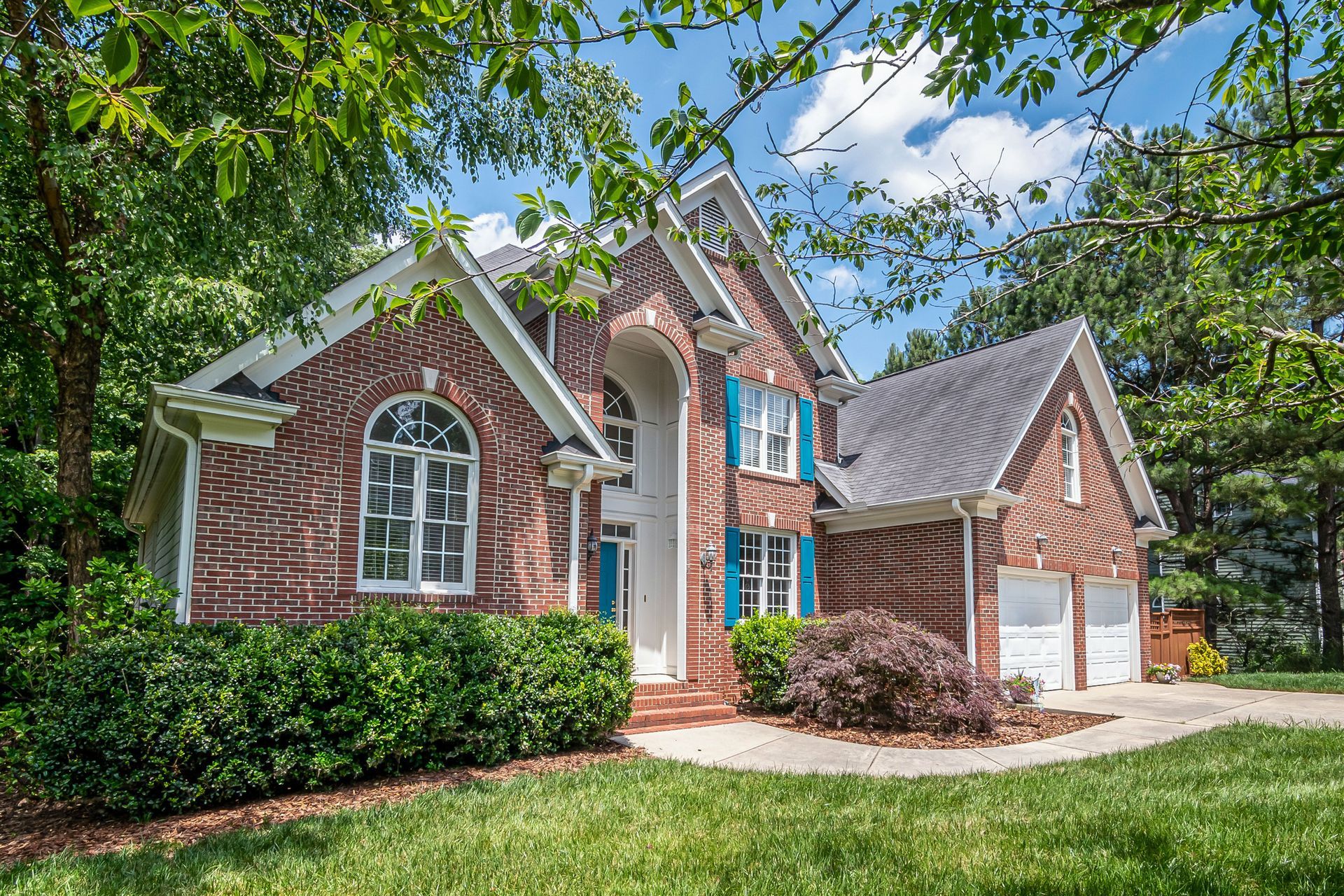
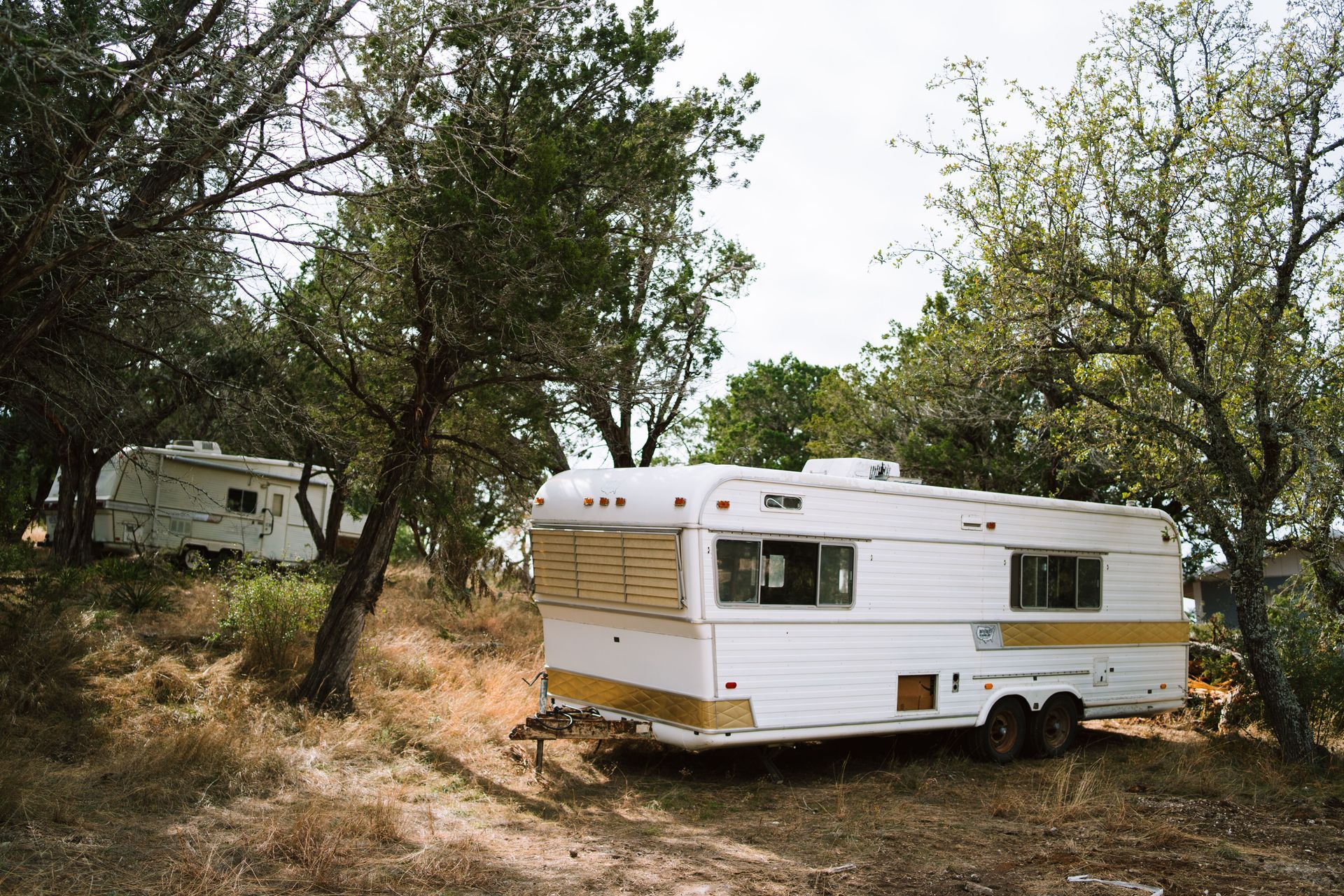
Carla noticed the back door sticking first, back in July, at her place in Paradise. She figured it was just humidity, since doors do that in Texas summers. She didn't think much of it.
Then in September, a diagonal crack showed up above the kitchen window, running corner to corner like it had been drawn with a ruler. Nothing dramatic had happened in between. No storm, no leak she knew of, just a long, dry summer on a slab that had held steady for eighteen years.
That timeline is almost a signature. Sticking doors in the heat of summer, then a hairline crack once the ground has had months to dry out, is one of the most common calls a North Texas insurance agent takes every fall. The ground bakes under triple-digit afternoons for weeks, and the house feels it before anyone sees it.
Why North Texas soil is so hard on slabs
Most of this region sits on expansive clay. That soil swells when it's wet and shrinks hard when it dries out, sometimes moving several inches between a wet spring and a dry summer depending on the lot. A slab foundation rides on top of that movement.
After months without much rain, the clay pulls away from the edges of the house and the slab settles unevenly underneath it. That's what shows up as sticking doors, cracked drywall at the corners, and hairline cracks in brick or tile grout. The house isn't failing; the ground under it is simply moving faster than the slab can flex to match. It's a soil problem more than a construction problem, and even well-built homes see it eventually if the ground dries out enough.
The exclusion at the center of every foundation claim
Here's the part that catches people off guard. A standard
homeowners policy generally excludes earth movement and settling as a cause of loss. Insurers write policies to cover sudden, accidental events, not the slow drift of soil over a dry season that every home in this region experiences to some degree.
If an adjuster's conclusion is that the damage is seasonal settling, that finding alone typically closes the door on coverage. It doesn't matter how real the crack looks or what it costs to fix. This is one of the hardest conversations an agent has with a homeowner: the damage is completely real, but the cause just doesn't fall inside what the policy was built to pay for.
The exception: sudden plumbing leaks under the slab
The exclusion isn't absolute. If foundation movement traces back to a sudden, accidental plumbing leak under the slab, rather than the whole perimeter drying out evenly, that's a different story. A supply line that fails and saturates the soil in one spot points to a covered peril, not settling.
Some policies also offer a foundation water damage endorsement built specifically for slab homes, and it's worth asking your agent whether yours includes one. A hydrostatic pressure test is usually the tool that sorts out which scenario you're in: a plumber pressurizes the water lines under the slab and watches for a drop that would indicate a leak, sometimes paired with a camera run through the drain lines. It isn't expensive relative to what's riding on the answer, and it's usually the first call worth making once an unexplained crack shows up.
How adjusters tell settling from a covered loss
Adjusters are looking for specific evidence, not a hunch. A leak-driven claim tends to show a concentrated, localized failure point: cracking or heaving in one corner or under one room, with physical signs of water where it shouldn't be, like a damp spot in the carpet or a musty smell that wasn't there before.
Seasonal settling tends to show a broader pattern that tracks the whole house: cracks near multiple doors and windows, uneven floors across more than one room, lining up with a stretch of dry weather rather than a single event. Claims history matters more here than people expect, too. Even a denied claim becomes part of your record, which is one more reason it's worth understanding the difference before you file, not just for this claim but for how your file reads the next time something happens.
Foundation watering and other prevention that actually works
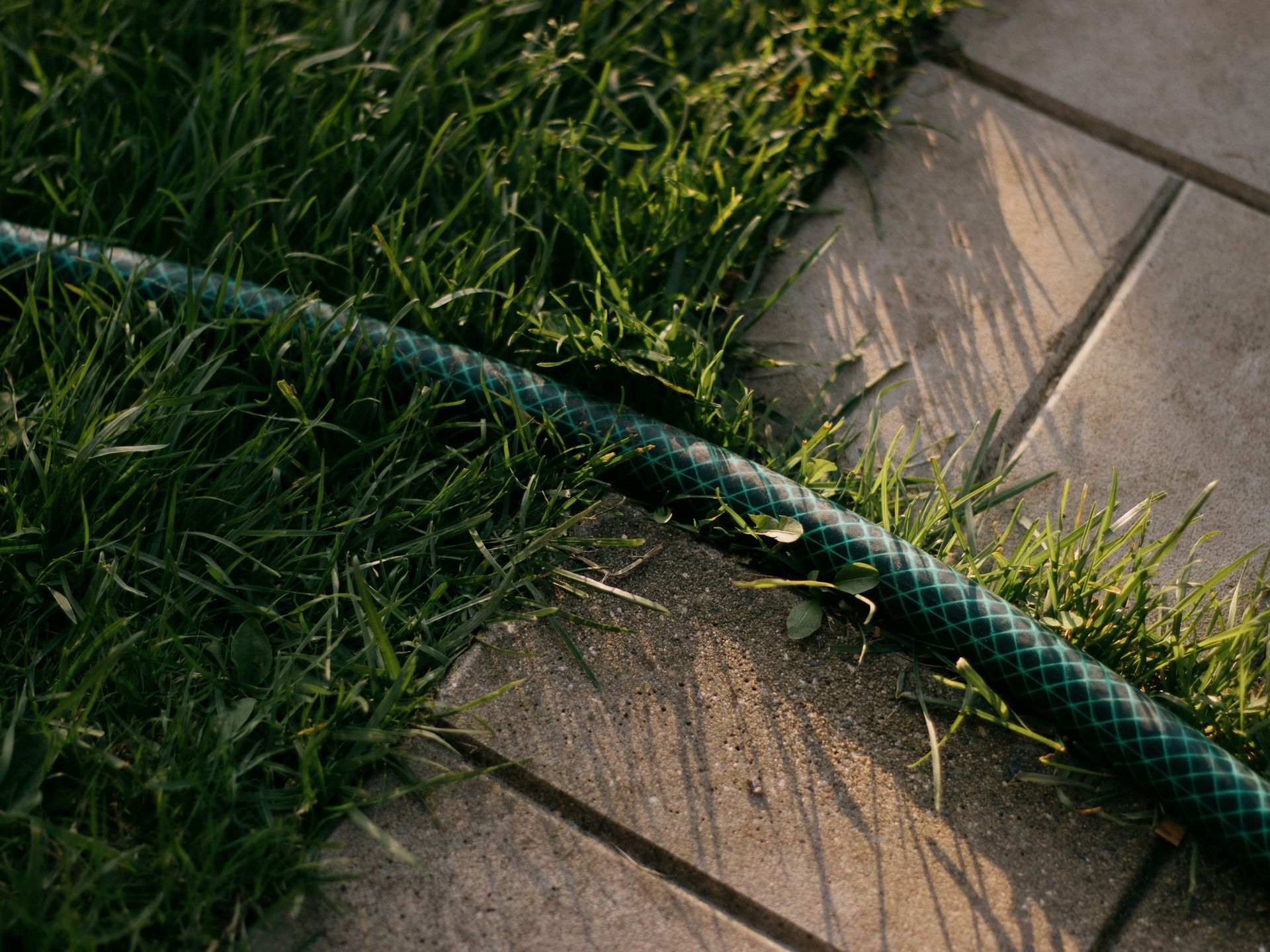
None of this is complicated, and most of it costs nothing beyond a garden hose and a little attention through the hottest months. Running a soaker hose along the foundation perimeter on a steady schedule through summer keeps the clay from shrinking unevenly in the first place. It's the single most common recommendation from foundation contractors in this area.
Drainage and grading matter just as much. Water should slope away from the house, not pool against the slab, and gutters need to actually discharge away from the foundation instead of dumping straight down next to it. Tree and shrub placement counts too, since large roots pull moisture from the soil right where you don't want it removed.
A soaker hose doesn't need to run constantly. An hour or two, a couple of times a week during the driest stretches, is usually enough to keep the clay from pulling away sharply at the edges. Overdoing it can create its own problems, since soil that's saturated right against a slab can shift in its own way. Steady and moderate beats occasional and heavy.
What to do before you file anything
Start with a plumber's leak test if there's any chance water is involved. That single step often determines whether you're looking at a covered claim or a settling issue, and it's far cheaper to run than to guess wrong and file on something that was never going to be covered.
Document the timeline with dated photos as soon as you notice something, since the pattern over time is part of the evidence. Photograph the sticking door, the crack when it first appears, and then again every few weeks if it keeps growing. That timeline is exactly what separates a gradual, seasonal story from a sudden event, and having it ready saves real time if you do end up filing.
Talk to your agent before you file, not after. Whether foundation
claims go unpaid often comes down to that same distinction between settling and a covered leak, so it's worth understanding before you file, since a denial still lands on your claims history either way. A run of prior claims can also push a household's options down toward the
Texas FAIR Plan, which is one more reason this conversation belongs before the paperwork, not after.
Carla called her agent first and walked through the timeline before doing anything else. She decided the leak test was worth running before filing anything formally, and it came back clean. That at least answered the question, even though it meant the crack itself wasn't something the policy was going to pay to fix.
Call (800) 666-2254 — or text QUOTE to (817) 646-6700 · tapinsuretx.com
Educational only; coverages and availability vary by carrier. TAP Insurance Agency, PLLC — Rhome, TX, licensed in Texas and Oklahoma.