You’ve started a business. That’s exciting.
Now you need insurance — but not the same insurance you buy for your car or house. Business insurance is different, and there are a lot of options. General liability, workers’ compensation, professional liability, commercial auto... it’s easy to get lost.
The good news? You don’t need every type. The key is understanding what each one covers and what your specific business actually needs.
Let me walk you through the main types of commercial insurance and help you figure out what’s right for you.
Commercial General Liability (CGL) — The Foundation
General Liability (GL) insurance covers bodily injury, property damage, and medical expenses that occur because of your business operations.
Here are some examples:
- A client slips and falls in your office
- Your equipment damages a customer’s property
- An employee accidentally injures someone
- Someone claims your product caused them harm
GL covers their medical bills, lost wages, legal defense, and settlement/judgment costs — up to your policy limit (usually $1-2 million).
Who needs it? Pretty much every business. If people come into contact with your business in any way, you need GL.
Cost? $300-$1,000+ per year depending on your industry, sales volume, and risk profile.Business Owners Policy (BOP) — The Smart Bundle
A
Business Owners Policy (BOP) bundles together General Liability, Property Insurance, and Business Interruption coverage into one package.
What’s included:
- General Liability — covers bodily injury and property damage (see above)
- Property Insurance — covers your building, equipment, inventory, and business property if there’s fire, theft, vandalism, etc.
- Business Interruption — if a covered event (like a fire) forces you to close temporarily, this covers lost income while you can’t operate
BOPs are designed for small businesses and are usually cheaper than buying each coverage separately. If you rent your space, you get the liability and contents protection without the building coverage (which your landlord carries).
Who needs it? Most small businesses with physical locations or inventory.
Cost? $500-$2,500+ per year, depending on industry and size.
Workers’ Compensation — A Texas Oddity
Here’s something unique to Texas that surprises a lot of business owners:
Texas is the only state that does NOT require private employers to carry workers’ compensation insurance.
Let that sink in. You don’t have to buy it in Texas.
But wait — that doesn’t mean you shouldn’t.
If you have employees and you don’t carry workers’ comp, and an employee gets injured on the job, they can sue you personally. Workers’ comp insurance protects you from those lawsuits. Without it, you could be personally liable for medical bills, lost wages, and disability costs — potentially hundreds of thousands of dollars.
If you don’t have workers’ comp, you’re required to file annual notice with the Texas Division of Workers’ Compensation and post notices of non-coverage. Your employees must be notified in writing that you don’t have coverage.
My recommendation? Even though it’s optional, get it if you have employees. It’s affordable ($500-$5,000+ per year depending on payroll and industry) and it protects both you and your employees.
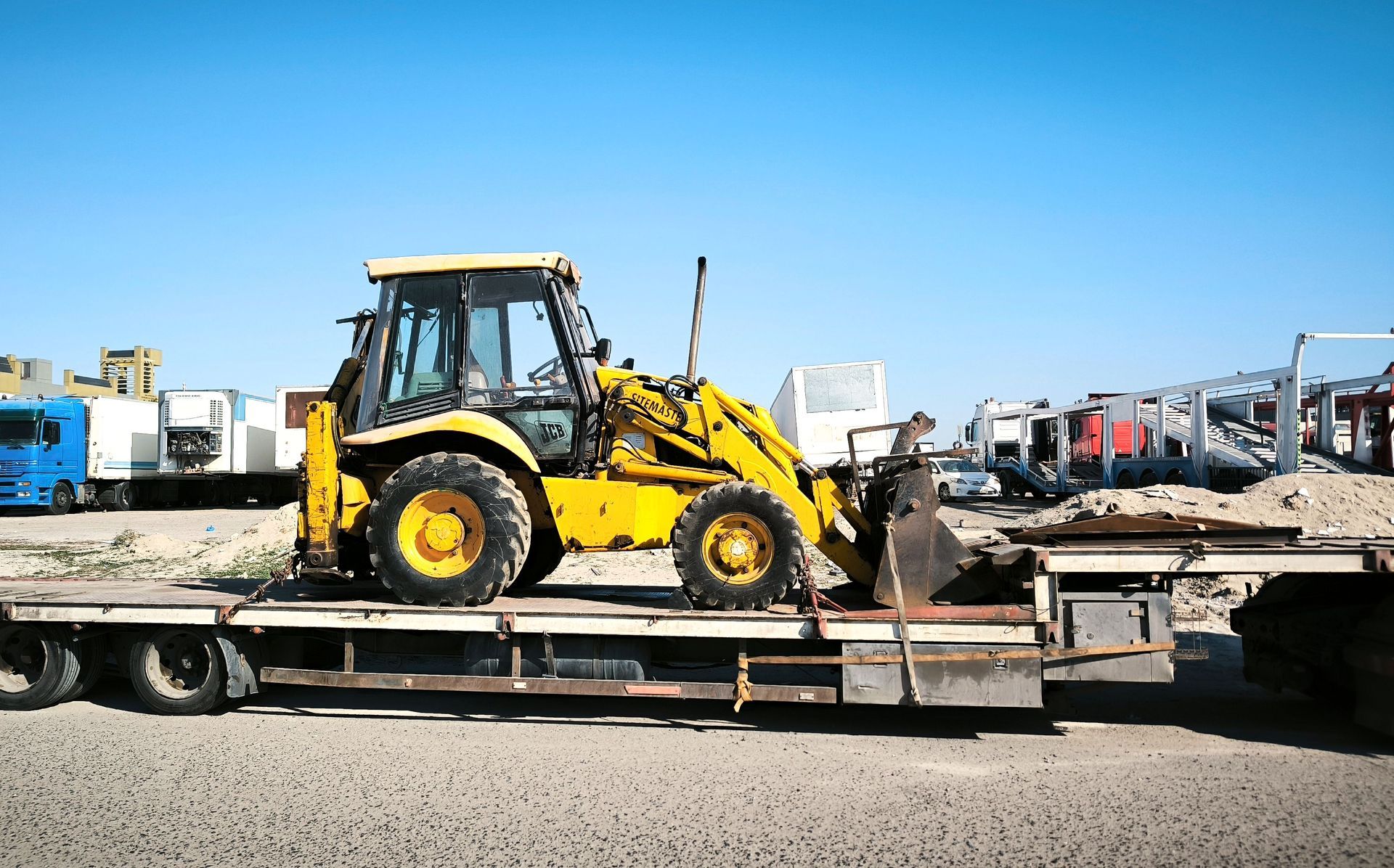
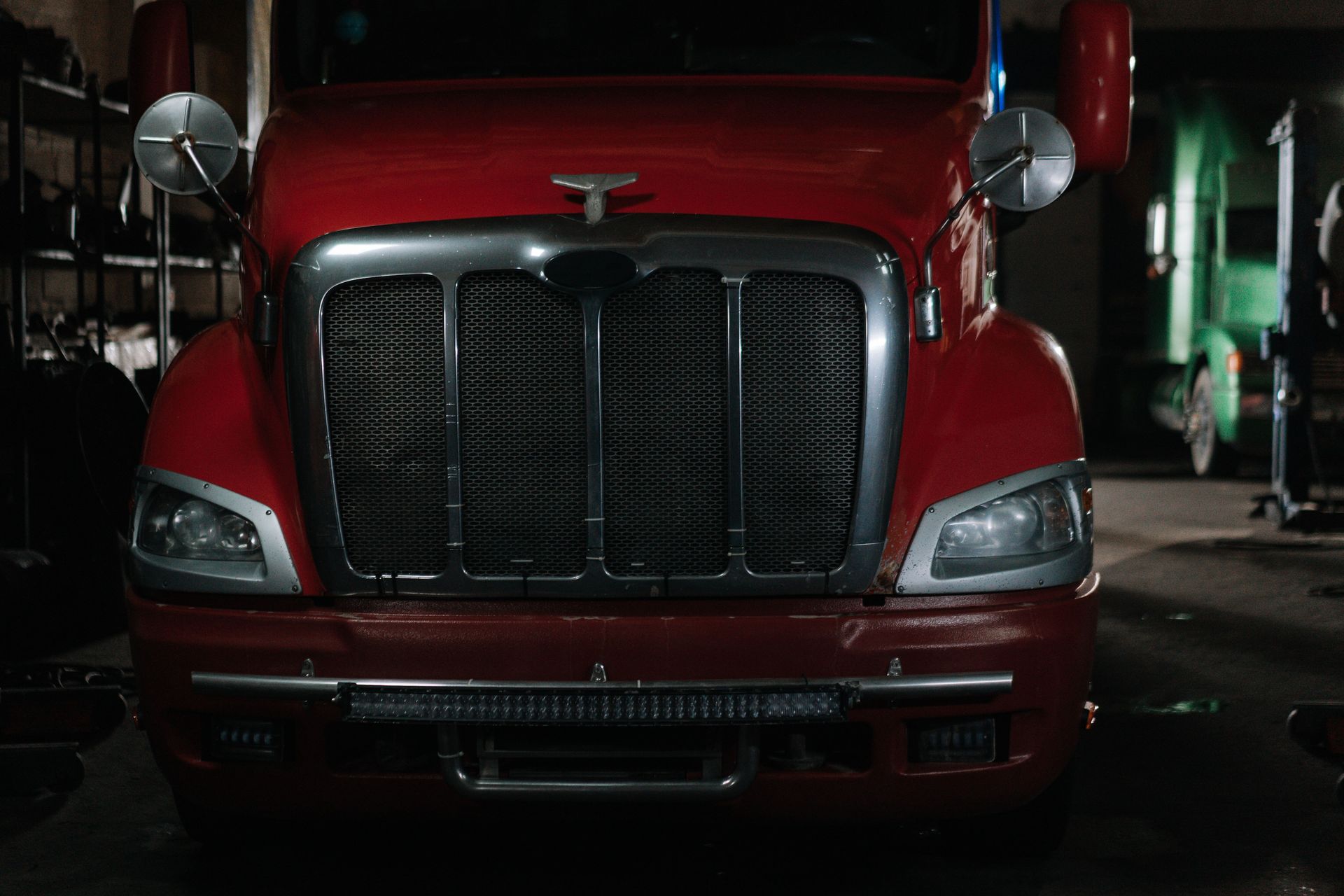
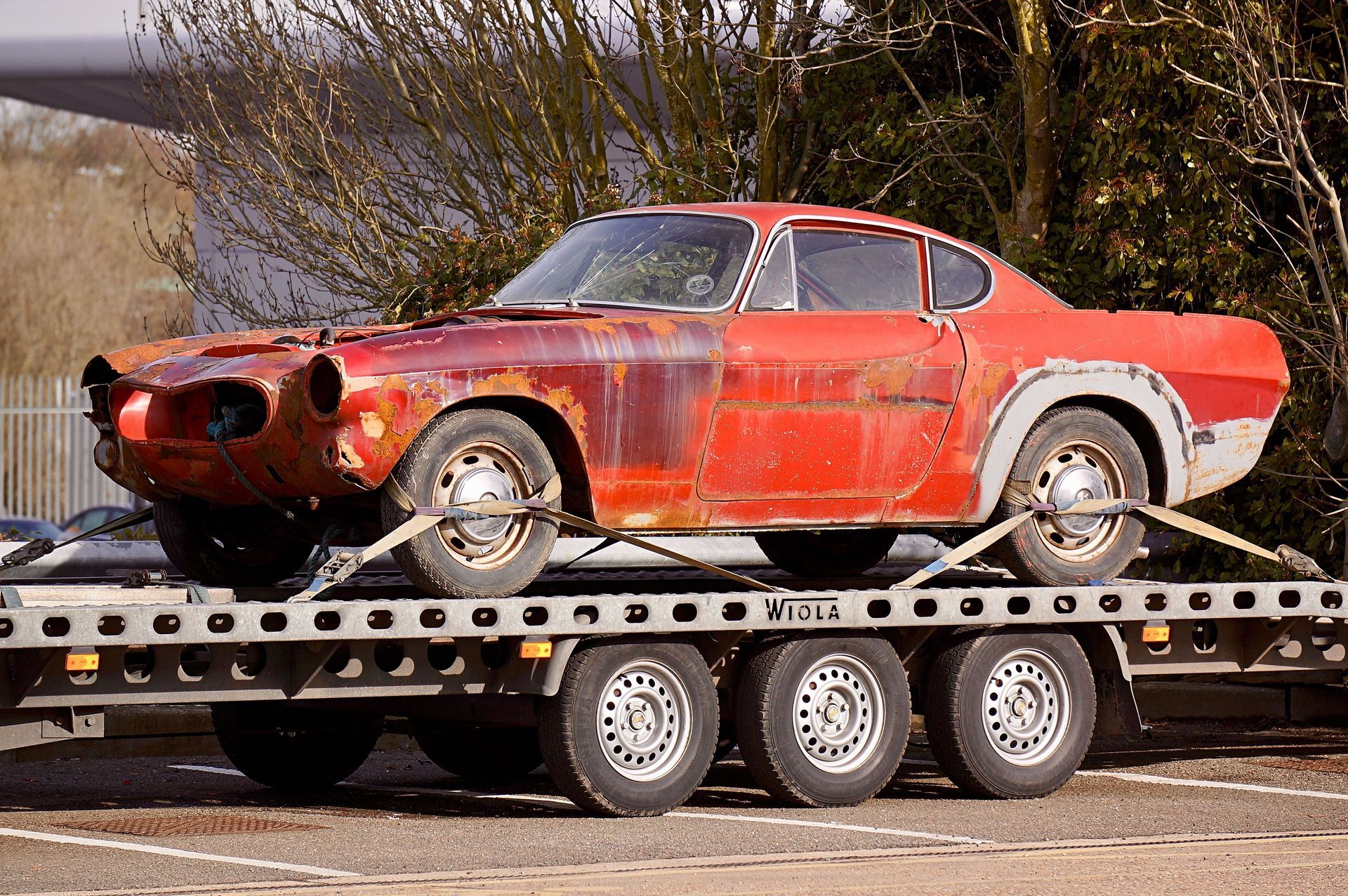
Commercial Auto Insurance
If your business owns vehicles, you need
commercial auto insurance.
It’s different from personal auto insurance because business use is different from personal use. Commercial vehicles might be used for client visits, deliveries, or transporting equipment — higher risk than personal commuting.
Commercial auto covers liability, collision, comprehensive, and other options — similar to personal auto. But rates are based on business use and often higher.
Who needs it? Any business that owns vehicles used for business purposes.
Special note for Texas: If you’re in the trucking or transportation industry, your commercial auto might include additional coverages and regulatory requirements.
Cost? $1,000-$5,000+ per year depending on vehicle type, number of vehicles, and driving records.
Professional Liability (Errors & Omissions)
If your business provides a service or advice, you might need
Professional Liability (also called
E&O — Errors and Omissions insurance).
This covers claims that your professional advice or work caused financial loss to a client.
Examples:
- A CPA makes a tax error that costs a client money
- A consultant’s advice leads to a failed project
- A contractor’s mistake causes expensive damage
- A marketing agency’s campaign strategy backfires
Professional liability covers legal costs and settlements.
Who needs it? Consultants, accountants, contractors, designers, marketing agencies, therapists, and other service providers.
Who doesn’t need it? Retail shops, manufacturers (usually covered under product liability), and businesses primarily selling products.
Cost? $500-$3,000+ per year depending on industry and revenue.
Cyber Liability — Growing Importance
If your business handles customer data, payment information, or proprietary information,
Cyber Liability insurance covers data breaches, ransomware, and related costs.
It covers:
- Notification costs if customer data is breached
- Credit monitoring for affected customers
- Legal defense and settlements
- Business interruption from a cyber attack
- Regulatory fines in some cases
Who needs it? Any business that stores customer data online, including ecommerce sites, SaaS companies, law firms, healthcare practices, and pretty much any service business with client databases.
Cost? $500-$2,500+ per year.
Umbrella/Excess Liability — Extra Protection
An
Umbrella Policy provides additional liability coverage on top of your primary policies.
If you have a major lawsuit that exceeds your General Liability limit (e.g., you’re sued for $5 million but only have $1 million in GL coverage), Umbrella picks up the excess.
Umbrella is relatively inexpensive (often $150-$500+ per year) for a $1 million additional limit, making it good protection for growing businesses with increasing exposure.
Special Coverages by Industry
Different industries have unique risks:
- Salon/Spa: Professional liability, product liability (if you sell products), premises liability
- Restaurant: General liability, property, workers’ comp, liquor liability (if serving alcohol)
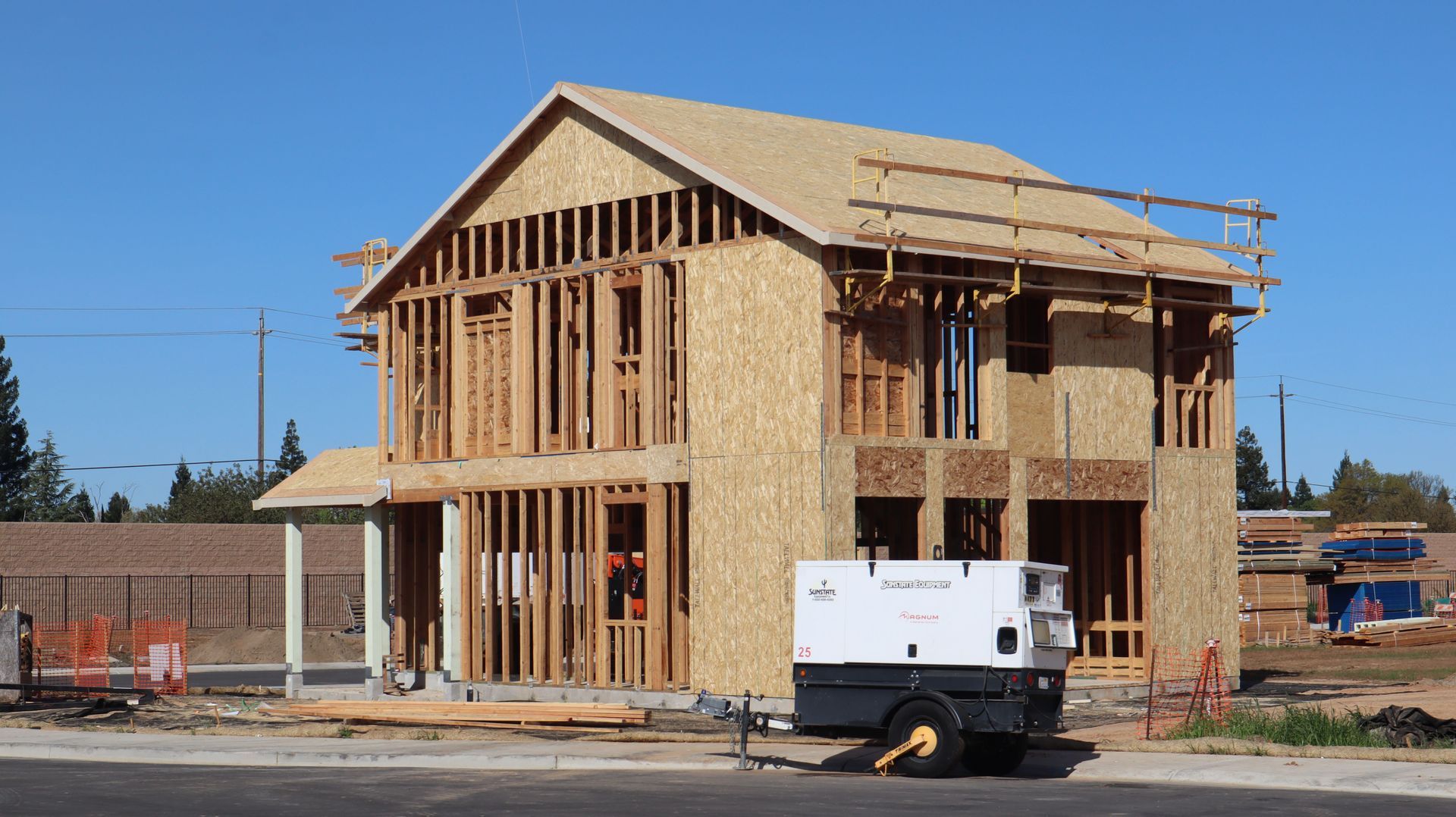
- Contractor: General liability, workers’ comp, commercial auto (for tools/equipment vehicles), sometimes equipment floaters
- Tech/Software: Cyber liability, professional liability, errors & omissions
- Cleaning Service: General liability, workers’ comp, commercial auto
If you’re in a specific industry, talk to an agent about industry-specific requirements.
How to Figure Out What You Need: A Checklist
Ask yourself these questions:
- Do I have employees? → You need workers’ comp (at minimum; highly recommended to get it)
- Do customers/clients come to my location or do I go to theirs? → You need General Liability
- Do I own business equipment, inventory, or a building? → You need Property Insurance (often via BOP)
- Do I provide services/advice? → You might need Professional Liability
- Do I own business vehicles? → You need Commercial Auto
- Do I handle customer data online? → You need Cyber Liability
- Is my business in a high-risk industry? → Ask about specialized coverage
Cost-Saving Tips for Small Business Insurance
- Bundle coverage. A BOP is often cheaper than buying GL + Property separately.
- Ask about small business discounts. Growing to payroll, safety certifications, and years in business can earn discounts.
- Increase deductibles strategically. A $1,000 deductible instead of $250 might save 20-30%, but only if you can afford to pay it.
- Implement safety measures. Alarm systems, fire suppression, training programs — these reduce risk and can lower premiums.
- Maintain a clean claims history. Not filing claims when you can afford to pay out-of-pocket keeps your rate from going up.
- Review annually. As your business grows or changes, your insurance should too. You might find better rates or realize you need different coverage.
Texas-Specific Considerations
- No mandatory workers’ comp. Even though it’s optional, carrying it protects you legally.
- Hail and weather risk. If you’re in North Texas (DFW), property insurance should account for hail risk.
- Flood risk. Depending on location, flood insurance might be important or required.
- Growing economy. Texas business-friendly climate means rapid expansion — make sure coverage grows with you.
Ready to Get Covered?
Commercial insurance protects everything you’ve built. It’s not glamorous, but it’s essential. The key is getting the right coverage for your specific business — not too little, not unnecessary extras.
At
TAP Insurance Agency, we specialize in commercial insurance for Texas small businesses. We take time to understand what you do, identify your real risks, and recommend coverage that makes sense.
Ready to discuss your business insurance needs? Call us at
(800) 666-2254 or visit
www.tapinsuretx.com. We serve small business owners throughout Texas, and we’re available Mon-Fri 7AM-7PM, Sat 9AM-6PM, and Sun by appointment.
TAP Insurance Agency — Your trusted independent agent in Rhome, serving small businesses throughout Texas and Oklahoma.