Why Flood Insurance Matters in Texas
Here’s a fact that surprises most Texas homeowners:
Texas leads the entire nation in flood insurance claims. And yet, the majority of Texans don’t carry flood coverage. If you own a home anywhere in the Lone Star State — from the Gulf Coast to the DFW metroplex to the Hill Country — flood insurance is something you need to seriously consider.
At
TAP Insurance Agency, we help homeowners across the state understand their flood risk and find the right coverage. Whether you’re in a designated flood zone or not, this guide will walk you through everything you need to know about flood insurance in Texas heading into 2026.
Does Your Homeowners Insurance Cover Flooding?
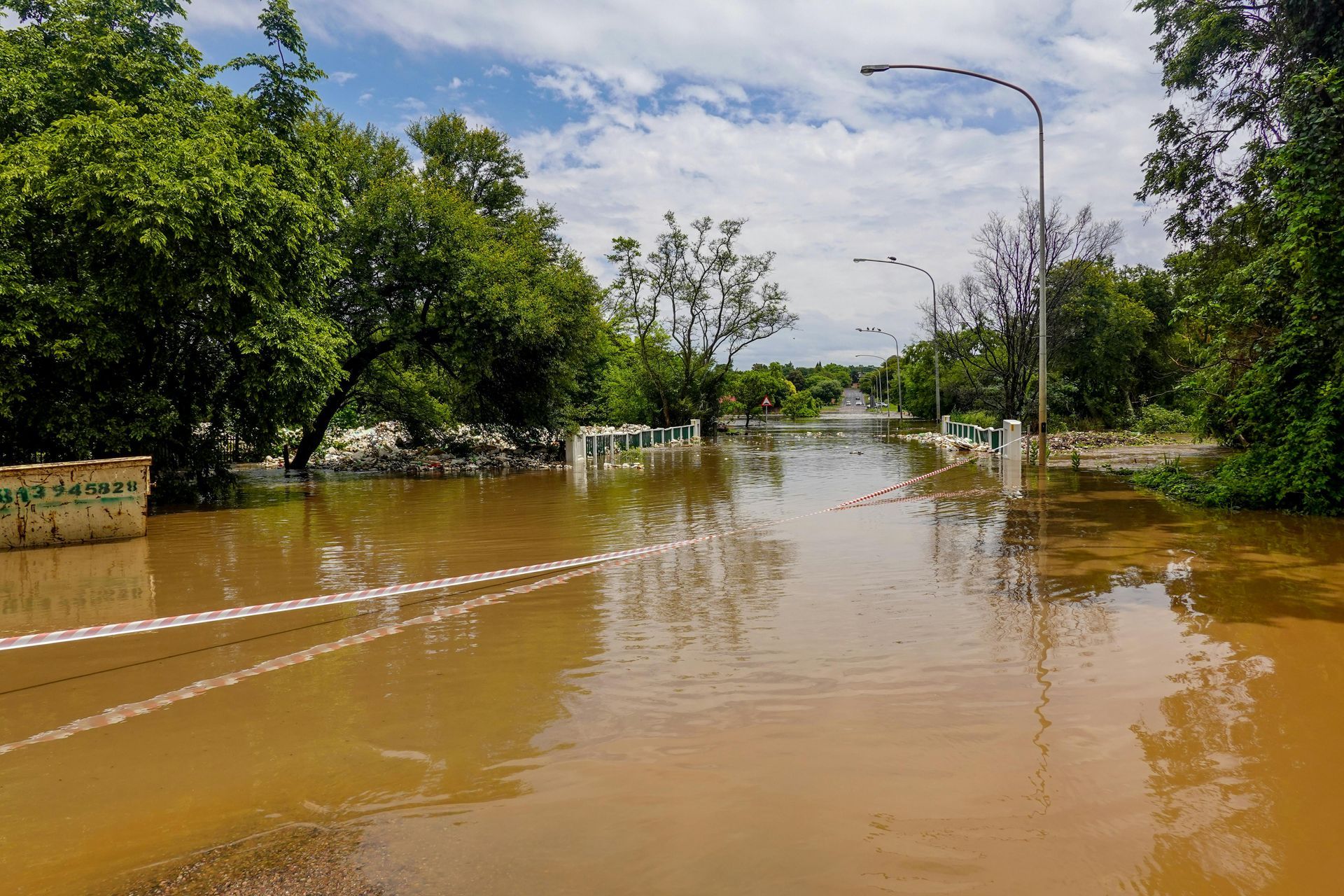
No — and this is the single biggest misconception in home insurance. Standard homeowners insurance policies in Texas do not cover flood damage. Not from rising waters, not from storm surge, not from bayou overflow, and not from the water that pools in your yard after a heavy downpour and seeps into your foundation.
Your homeowners policy covers water damage from things like burst pipes or a leaking roof. But when water comes from outside your home — rising ground water, overflowing creeks, or storm drainage backup — that’s flooding, and it requires a separate flood insurance policy.
This distinction has cost Texas homeowners billions of dollars. After Hurricane Harvey in 2017, an estimated 80% of affected homeowners in the Houston area had no flood insurance. Many lost everything with no way to recover financially.Who Needs Flood Insurance in Texas?
The short answer? Almost everyone should at least consider it. But here’s who is legally required to carry it:
You must have flood insurance if:
- Your property is in a
Special Flood Hazard Area (SFHA) — also called a 100-year floodplain — and you have a federally backed mortgage (FHA, VA, USDA, or conventional loans from federally regulated lenders)
- Your home was purchased from a previous owner who received federal disaster assistance
You should strongly consider flood insurance if:
- You live anywhere in North Texas or the DFW metroplex (flash flooding from spring storms is common)
- Your property is near a creek, river, lake, or drainage channel
- You live in a low-lying area or neighborhood with poor drainage
- You’ve seen water pool in your yard or street during heavy rain
- You’re in Wise County, Tarrant County, Dallas County, or Denton County — all areas with documented flood risk
Here’s something most people don’t realize:
more than 25% of all flood claims in the U.S. come from properties outside high-risk flood zones. Floods don’t follow maps. If it rains where you live, you have flood risk.
How Flood Insurance Works in Texas
The National Flood Insurance Program (NFIP)
Most flood insurance in Texas is purchased through the
National Flood Insurance Program (NFIP), which is managed by FEMA. Your community must participate in the NFIP for residents to purchase coverage — and the good news is that most Texas communities do.
NFIP coverage limits for residential properties:
- Building/dwelling coverage: Up to $250,000
- Personal property/contents coverage: Up to $100,000
These limits work for many homeowners, but if your home is worth more than $250,000 — which is increasingly common across DFW — you may need supplemental coverage.
Private Flood Insurance
Private flood insurance has grown significantly in Texas over the past few years. Private carriers can offer:
- Higher coverage limits than NFIP
- Additional coverages like loss of use (temporary living expenses)
- Faster claims processing
- Sometimes lower premiums depending on your risk profile
As an
independent insurance agency, TAP Insurance can shop both NFIP and private flood carriers to find you the best combination of coverage and price.
How Much Does Flood Insurance Cost in Texas?
Flood insurance costs vary widely depending on your location, flood zone designation, home elevation, and coverage amount. Here are some general ranges for Texas homeowners:
- Low-to-moderate risk areas (Zone X): $400–$800 per year
- High-risk areas (Zone A or V): $1,200–$3,000+ per year
- Preferred Risk Policies (available in lower-risk zones): As low as $300–$500 per year
FEMA’s
Risk Rating 2.0 system, which went into effect in recent years, calculates premiums based on individual property risk factors rather than just flood zone maps. This means your premium reflects your specific property’s distance to water, elevation, construction type, and historical flood frequency.
For homeowners in Rhome, Decatur, Boyd, Bridgeport, and other Wise County communities, flood insurance is often very affordable — especially through Preferred Risk Policies available for properties in moderate-to-low risk zones.
The 30-Day Waiting Period
This is critical:
there is a 30-day waiting period after you purchase a flood insurance policy before coverage takes effect. You cannot buy flood insurance the day before a storm and expect to be covered.
The only exception is if you’re purchasing flood insurance at the time of closing on a new mortgage — in that case, coverage begins immediately.
This is why we always recommend buying flood insurance well before hurricane season (June 1 through
November 30) and before the spring storm season ramps up in North Texas. Don’t wait until a storm is in the forecast.
Texas Flood Risk: The Numbers Don’t Lie
Texas faces flood risk from multiple sources, and the DFW metroplex is far from immune:
- Texas has more NFIP claims than any other state — by a wide margin
- Flash flooding is the #1 weather-related killer in Texas
- Hurricane season runs June 1 through November 30, affecting coastal and inland areas
- Spring storms in North Texas regularly produce 3–6 inches of rain in hours, overwhelming drainage systems
- Winter ice storms can cause localized flooding when rapid snowmelt combines with frozen ground
- Urban development across DFW continues to increase impervious surfaces, making flash flooding more frequent in areas that historically didn’t flood
Even here in Wise County along the US 287 corridor, we see significant water accumulation during heavy spring rains. Creeks and drainage channels that are dry most of the year can overflow within hours during a strong storm system.
What to Do If You Don’t Have Flood Insurance
If you’re a Texas homeowner without flood insurance, here’s what we recommend:
1. Check your flood zone. Visit
FEMA’s Flood Map Service Center and enter your address. This will tell you your flood zone designation and whether your mortgage lender requires coverage.
2. Talk to an independent agent. Even if you’re not in a high-risk zone, an independent agent like TAP Insurance can assess your specific situation and get you quotes from multiple carriers — both NFIP and private options. We often find coverage for less than homeowners expect.
3. Don’t wait for storm season. Remember that 30-day waiting period. The best time to buy flood insurance is right now, before you need it.
4. Review your elevation certificate. If you have one from when your home was built or from a previous survey, it can help reduce your premium. If you don’t have one, a licensed surveyor can prepare one — the cost typically pays for itself in premium savings within a year or two.
Flood Insurance for Renters and Business Owners
Flood insurance isn’t just for homeowners.
Renters can purchase contents-only flood coverage to protect personal belongings — furniture, electronics, clothing, and other property that your landlord’s policy won’t cover.
Business owners face even greater risk. Commercial flood insurance through the NFIP covers up to $500,000 for the building and $500,000 for contents. For businesses in flood-prone areas of DFW, this coverage can be the difference between reopening after a flood and closing permanently.
TAP Insurance writes
flood insurance for residential, rental, and commercial properties across Texas.
Get a Free Flood Insurance Quote
Whether you’re in Rhome, Fort Worth, Dallas, or anywhere in Texas, the team at TAP Insurance Agency can help you understand your flood risk and find affordable coverage. We shop multiple carriers so you don’t have to.
Ready to protect your home?
Don’t wait for the next big storm to find out you’re not covered. With hurricane season just around the corner and spring storms already rolling through North Texas, now is the time to get flood insurance in place.
TAP Insurance Agency is an independent insurance agency based in Rhome, TX, serving homeowners and businesses across all of Texas and Oklahoma. We specialize in finding the right coverage at the right price by shopping multiple carriers on your behalf.