Commercial Auto vs Personal Auto Insurance in Texas: What's the Difference?
Nate Mclaughlin • April 1, 2026
This is a subtitle for your new post
If you own a business in the DFW area or anywhere across Texas and use a vehicle for work, you’ve likely heard about “commercial auto insurance.” But many small business owners aren’t sure whether they need it—or what the difference really is compared to regular personal auto insurance.
The answer is crucial: using personal auto insurance for business purposes can leave you uninsured and expose your business to serious liability. Here’s what you need to know.
Watch it in two and a half minutes — the TAP Straight Talk episode on exactly this:
Personal Auto Insurance vs Commercial Auto: What’s the Difference?
The core difference comes down tointended use. Personal auto insurance covers vehicles used for personal transportation—commuting to work, running errands, family trips. Commercial auto insurance covers vehicles used for business purposes.
When an insurance company says a vehicle is “commercial,” they mean it’s used to conduct business—whether that’s transporting goods, making client visits, or operating as a business tool.
Why the Distinction Matters
Your personal auto policy has exclusions written into it specificallyfor business use. If you have an accident while using your vehicle for business, your insurer can deny the claim entirely because the vehicle was outside the policy’s intended use.
Real-world example:You run a small contracting business in Wise County and drive your truck to job sites daily. A client is injured when your truck hits a pothole, and you’re found liable. You file a claim with your personal auto insurance. The insurer denies it because the truck was being used for business purposes—not covered under personal auto. Now you’re personally liable for the claim, which could be thousands of dollars.
This scenario happens more often than you’d think, especially for small business owners who think “it’s just my truck” or “I’m already insured.”
When You Need Commercial Auto Insurance
You need commercial auto insurance if your vehicle is used for any business purpose, including:
•Making client or customer visits(contractors, consultants, real estate agents, service providers)
• Transporting equipment or materials(contractors, electricians, plumbers, landscapers)
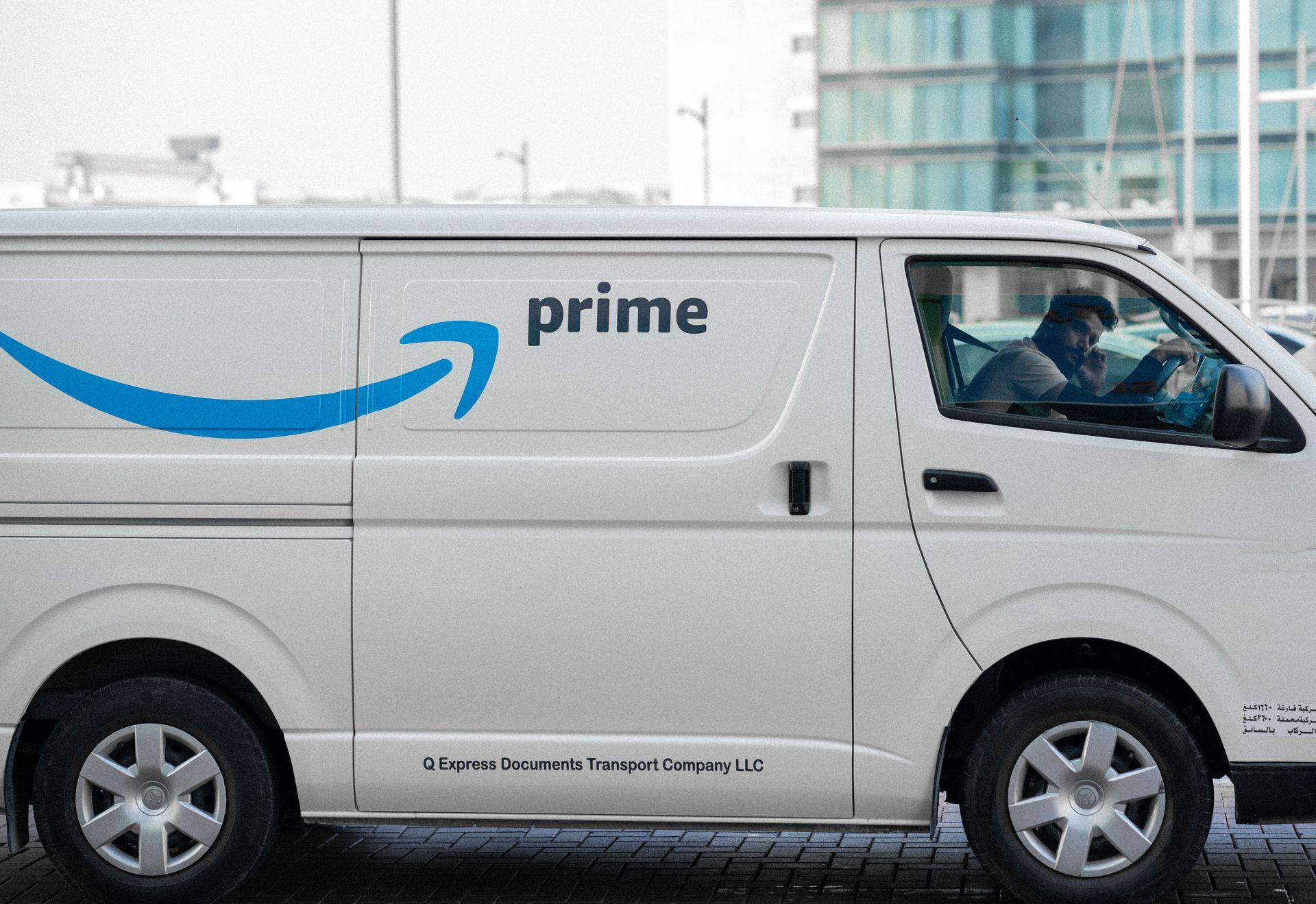
• Deliveries or service calls(HVAC, delivery services, courier services)
• As part of your business operation(food trucks, mobile services, business signage on the vehicle)
Even if your vehicle only occasionally touches business use, commercial coverage is usually required.
Personal Use That Still Requires Personal Insurance
You can use personal auto insurance for:
• Commuting to work (even if that work happens to be at a business you own)
• Personal errands and family trips
• Volunteer work (in most cases)
The gray area? Commuting to your own business. Some insurers say that’s okay under personal insurance; others say you need commercial. Ask your agent for clarity on your specific situation.
Key Coverage Differences Between Personal and Commercial Auto
Personal Auto Insurance
•Liability:Covers bodily injury and property damage you cause to others (standard $30K-$100K in Texas)
• Collision/Comprehensive:Covers damage to your own vehicle
• Uninsured/Underinsured Motorist:Protects you against uninsured drivers
• Medical Payments:Covers medical expenses for you and passengers
• Typical deductible:$500-$1,000
Commercial Auto Insurance
•Commercial Liability:Often higher limits ($50K-$250K+) for business liability
• Business Equipment Coverage:Protects tools, equipment, and cargo in the vehicle
• Hired Non-Owned Auto:Covers vehicles you rent or borrow for business
• Uninsured Motorist:Similar to personal, but with higher limits
• Coverage for multiple vehicles:Fleet policies for businesses with 2+ vehicles
• Typical deductible:$500-$2,500
Cost Differences: Why Is Commercial Auto More Expensive?
Commercial auto insurance typically costs 20-50% more than personal auto for the same vehicle, depending on:
•Use frequency:Daily commercial use costs more than occasional business use
• Business type:High-risk businesses (contractors, delivery services) cost more than professional services
• Driving records:Business vehicles are held to a higher standard
• Fleet size:Managing multiple vehicles adds complexity and risk
Example in the DFW area:A 2024 Toyota Tacoma used for personal commuting might cost $120/month for full coverage. The same truck used daily by a contractor could cost $180-200/month for commercial coverage. But if an accident happens during business use and you only have personal insurance, you’re uninsured—and that could cost you everything.
Common Business Vehicles That Need Commercial Insurance
•Contractors:Trucks, vans, pickup trucks (especially with equipment)
• HVAC/Plumbing:Service vans with company logos and equipment
• Real estate agents:Vehicles used to show properties to clients
• Delivery/service providers:Any vehicle regularly used for customer visits or deliveries
• Food trucks:Mobile food service (special commercial coverage required)
• Rideshare drivers:Absolutely requires commercial or rideshare-specific coverage
• Landscaping:Trucks and trailers used for service delivery
• Home-based businesses:Even if you work from home but use a vehicle to visit clients
Texas Commercial Auto Insurance Requirements
Texas doesn’t have different state minimums for commercial vs personal auto. The requirement remains:
However, many commercial customers have contractual requirementswith clients. For example:
• If you contract with commercial clients, they may require you to carry $1M in liability
• If you haul cargo, your cargo value may determine required limits
• If you hold any business licenses, your insurer may require specific coverage levels
How to Know If You’re Making a Mistake
If any of these apply to you, you probably need to upgrade from personal to commercial auto:
• You have business signage or logos on your vehicle
• You deduct vehicle mileage as a business expense on your taxes
• You drive to meet clients or conduct business
• You transport equipment, tools, or inventory
• You’ve mentioned “business use” on any other business paperwork
• You use the vehicle more than 50% of the time for business purposes
Bottom line:If there’s any question, ask your insurance agent. A quick conversation is worth far more than finding out you’re uninsured after an accident.
Where to Get Commercial Auto Insurance in Texas
Not every insurance company that sells personal auto also sells commercial auto insurance. This is where an independent agent makes a difference.
At TAP Insurance, we specialize in commercial vehicle insurance for contractors, service providers, small fleets, and owner-operators across Texas. We shop multiple carriers to find the right coverage at the right price for your business.
We can help with:
•Contractors and service providers— trucks, vans, equipment coverage
• Small to mid-size fleets— 2-10+ vehicles with consistent rates
• Owner-operators and hotshot drivers— trucking-specific coverage and FMCSA compliance
• Rideshare and delivery drivers— specialized commercial auto policies
• Businesses with mixed use— we can often arrange coverage for occasionally-used business vehicles
Ready to Get Commercial Auto Quotes?
If you own a business in Rhome, Decatur, Boyd, Bridgeport, or anywhere across Texas and Oklahoma, don’t guess about your vehicle coverage. Text us at +1 (817) 646-6700 for a free quote, or call (800) 666-2254.
We’re here:
• Mon-Fri: 7am-7pm
• Sat: 9am-6pm
• Sun: By appointment
We’ll review your business vehicle use, explain your coverage options, and get you properly insured—usually at a better rate than you’d expect.
TAP Insurance: We shop multiple carriers because your business deserves better coverage at better rates.
This content is informational and does not constitute insurance or legal advice. Always review your specific policy and consult with a licensed insurance agent about your business vehicle coverage needs. Failure to carry required insurance can result in fines, license suspension, and vehicle impoundment in Texas.
The 26,001-pound CDL line is identical in Texas and Oklahoma, but MC authority, cargo limits, and bobtail territory may not follow the truck across state lines.
A lender will not fund without homeowners coverage in force on closing day. What to have ready so a new build's insurance timing does not delay closing.
What liability-only really means on a Texas truck: how physical damage coverage works, what ACV pays on an older tractor, and when the gamble stops paying.
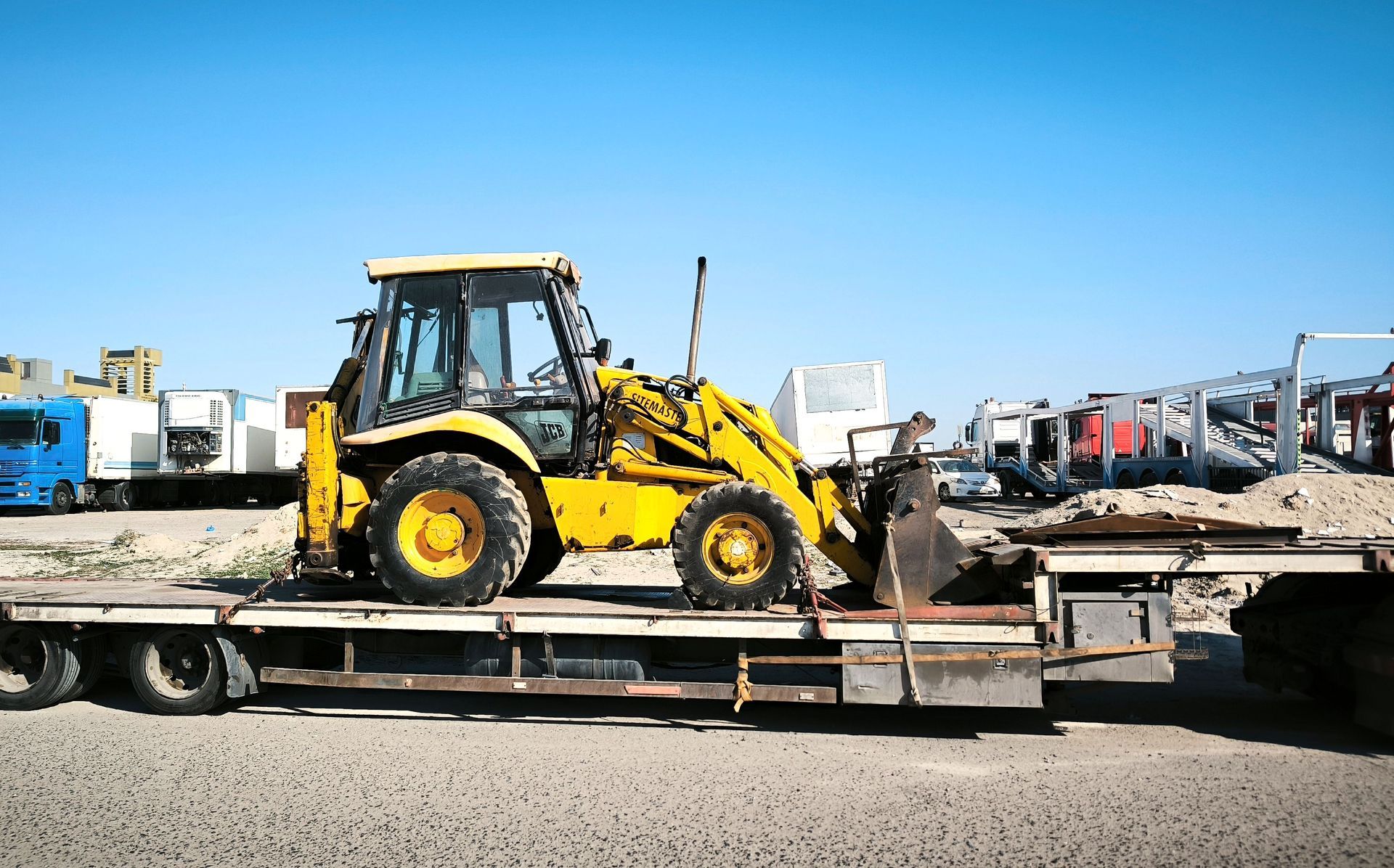
Hauling a non-runner in Texas changes the insurance picture. See how winch-loading, pre-existing damage, and theft on an idle trailer get handled differently.
A standard homeowners policy and flood insurance both exclude water that backs up through a sewer or drain. Here's what water backup coverage actually pays for.
Fire protection distance, water supply, outbuildings, replacement cost, flood zones and vacant-lot liability all change how acreage rates in North Texas.
PIP pays medical bills and lost wages after any accident; MedPay pays medical bills only. Why Texas makes you reject PIP in writing, and which fits your family.
Hit a deer in Texas? Why comprehensive pays instead of collision, what happens if you swerve and miss, and how Wise County drivers prep for deer season.
Builders risk during construction, the switch to homeowners at closing, and coverage after move-in: what changes at each stage of a North Texas custom home build.
TAP Insurance Agency — Text quotes & service to (817) 646-6700.
Msg freq varies (5–20/conv). Msg & data rates may apply. Reply STOP to cancel, HELP for help.
Privacy · Terms.