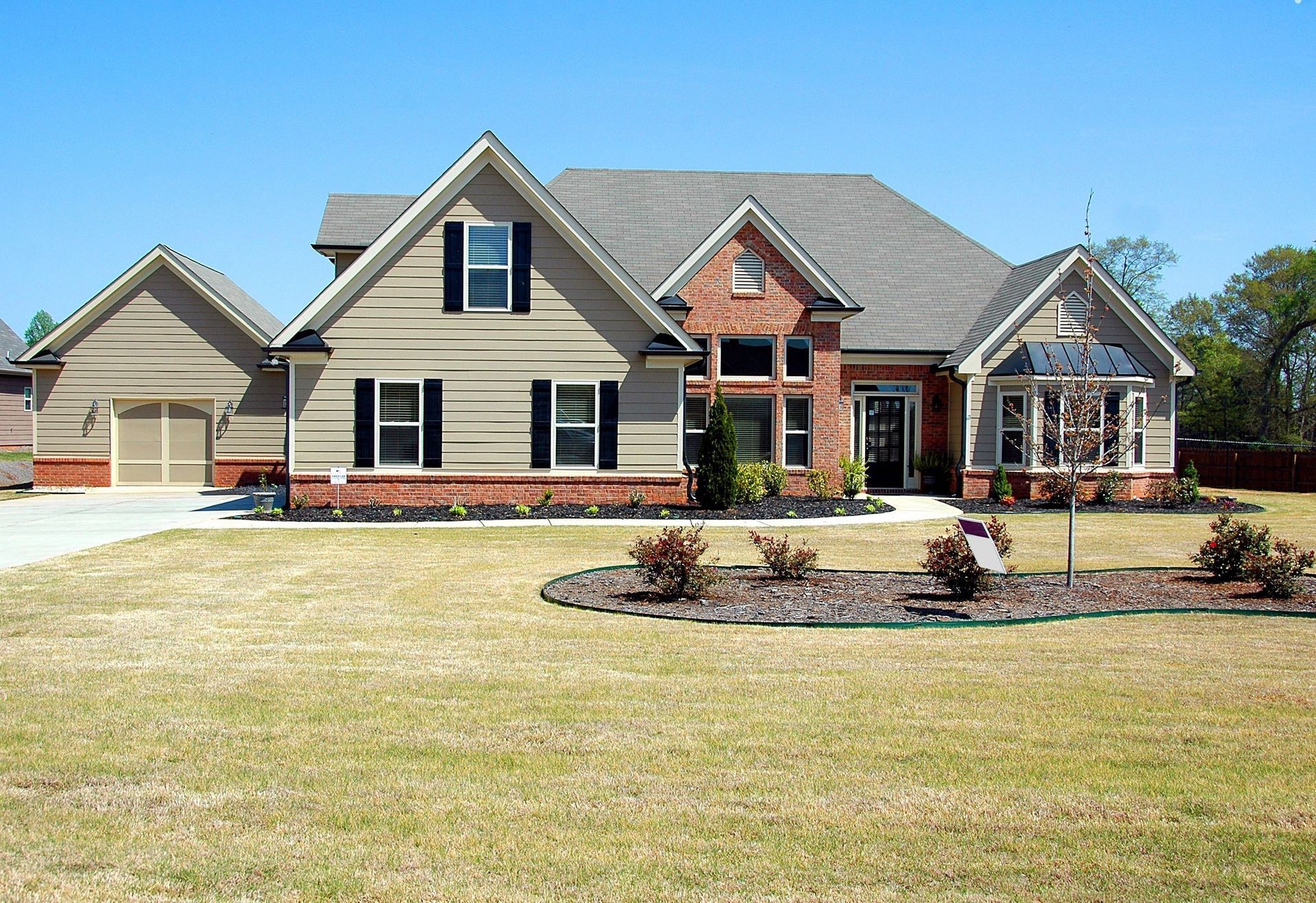
More and more Texans are becoming accidental — and intentional — landlords. Maybe you bought a new place and decided to rent out the old one. Maybe you've built up a couple of rental houses as an investment. Maybe you inherited a property and a tenant came with it. Whatever the path, here's something a lot of new landlords don't realize until it's too late: the homeowners policy on that rental probably won't pay a claim once you stop living there.
Let's clear up how landlord insurance actually works in Texas, and what your policy should include so you're not left holding the bag.
Why a homeowners policy fails on a rental
A standard homeowners (HO-3) policy is written for an owner-occupied home — meaning you live there. The moment a property becomes a rental, the use changes, and so does the risk. Tenants don't treat a house the way an owner does, occupancy can lapse between renters, and your liability exposure is completely different when someone else lives under your roof.
If your carrier finds out the home is rented and the policy still says owner-occupied, two bad things can happen: they can deny a claim, or they can cancel the policy. Either way, you're exposed. The fix is to put the property on the right kind of policy from the start.
What is a DP-3 (dwelling fire) policy?
For rental houses, the workhorse product is the
dwelling fire policy — most commonly the DP-3 form. Think of it as the rental-property cousin of a homeowners policy. It's built specifically for a dwelling that the owner does not live in.
A well-built DP-3 typically covers:
- The dwelling itself — usually on a replacement-cost basis (the DP-3 is the broadest dwelling-fire form, which is why it's the one to ask for)
- Other structures on the property — detached garage, shed, fence
- Loss of rents — if a covered loss makes the home uninhabitable, this reimburses the rental income you lose while it's being repaired
- Liability coverage — protection if a tenant or guest is injured and you're held responsible
- Optional add-ons — water backup, vandalism, and more depending on the carrier
That "loss of rents" piece is one landlords overlook constantly. If a kitchen fire knocks your rental offline for four months, the mortgage doesn't pause. Loss-of-rents coverage keeps the income flowing while repairs happen.
Where TAP wins on Texas rental dwellings
Here's the honest truth: a lot of standard carriers don't love rental dwellings, especially older ones or properties between tenants. This is exactly the kind of risk where having the right specialty market matters.
At TAP Insurance Agency, one of our appointed markets — Foremost — writes a strong dwelling-fire program built for landlord and rental dwellings, including older homes and properties that fall outside the box standard carriers want. Being independent means we're not stuck offering you one company's appetite. We can place a clean suburban rental with one carrier and a rougher older rental with another, instead of forcing both into a policy that doesn't fit.
If you're weighing the bigger picture of business and property coverage, our guide on
commercial insurance for Texas small businesses is a helpful companion, especially if you're scaling from one rental to a small portfolio.
What landlords should ask for at quote
When you're shopping landlord coverage on a Texas rental, make sure the conversation covers:
- Occupancy status. Long-term tenant, short-term/vacation rental, or currently vacant? Each rates differently — and vacancy needs special handling.
- Replacement cost vs. actual cash value. The DP-3 can be written on a replacement-cost basis; cheaper dwelling-fire forms (DP-1) pay actual cash value and can leave you short.
- Loss of rents limit. Make sure it reflects your actual monthly rent and a realistic repair timeline.
- Liability limit. Don't skimp — a tenant injury claim is exactly the kind of event this protects you from.
- Wind and hail deductible. This is North Texas. Know your wind/hail deductible, and remember the same storm can hit several of your properties at once.
- Requiring tenant renters insurance. It's not on your policy, but requiring tenants to carry their own
renters insurance protects you and them. Smart landlords build it into the lease.
Cover the rental like a rental
Owning rental property in Texas can be a great wealth-builder — but only if a single fire, storm, or liability claim doesn't undo years of returns. The mistake we see most often is a landlord assuming the old homeowners policy "should be fine." It usually isn't.
Whether you've got one rental house in Decatur or a handful spread across Wise and Denton counties, we'll shop your dwellings across the right carriers and build coverage that actually fits how the property is used.
Call (800) 666-2254 or
request a quote online. Let's get your rental covered the right way.
Educational only; coverages, rates, and availability vary by carrier and property. TAP Insurance Agency, PLLC — Rhome, TX, licensed in Texas and Oklahoma.
— TAP Insurance Agency · Call (800) 666-2254