



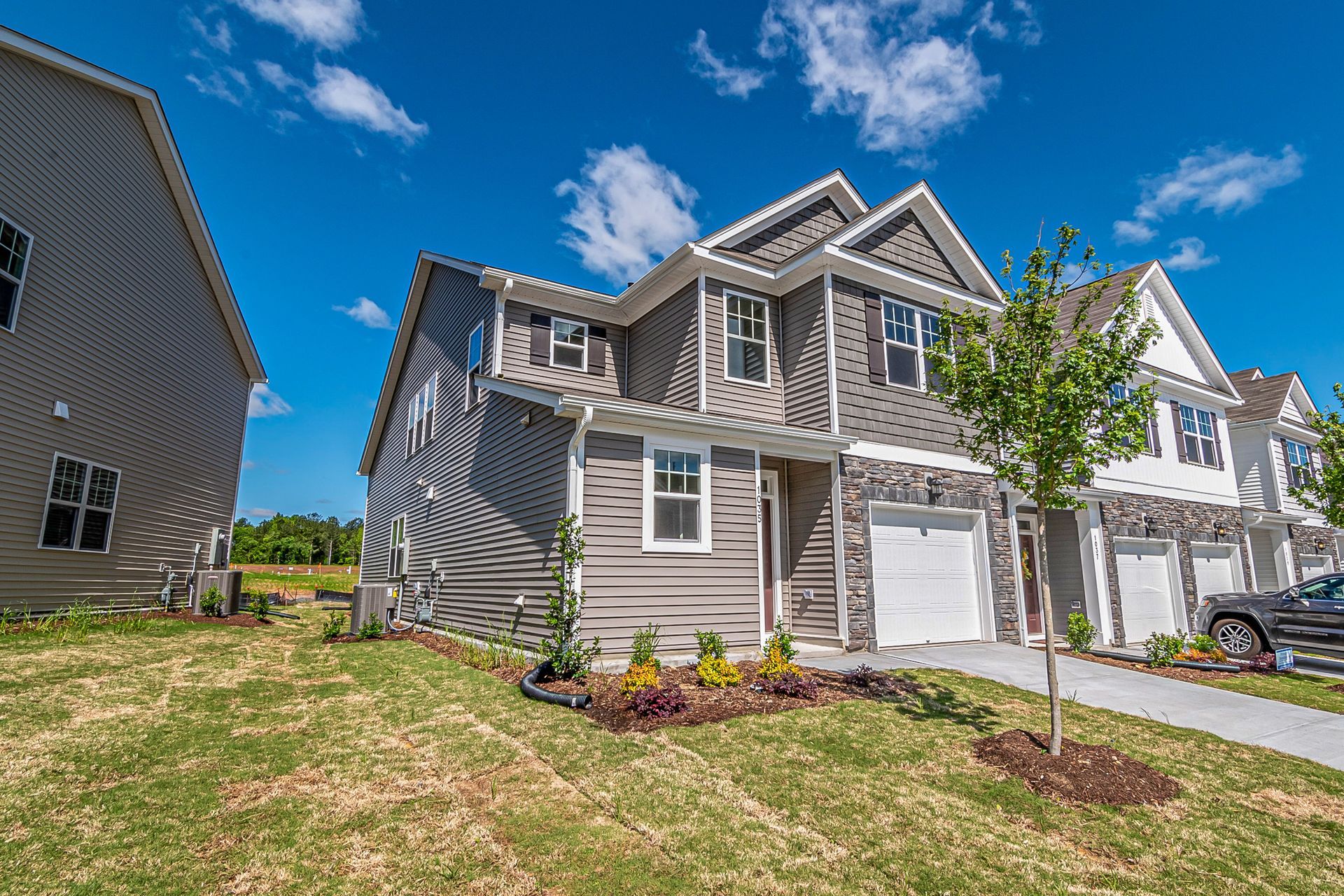
Fair rental value on a Texas DP-3 pays lost rent when a covered peril makes a rental unit uninhabitable, never when a tenant simply stops paying rent.
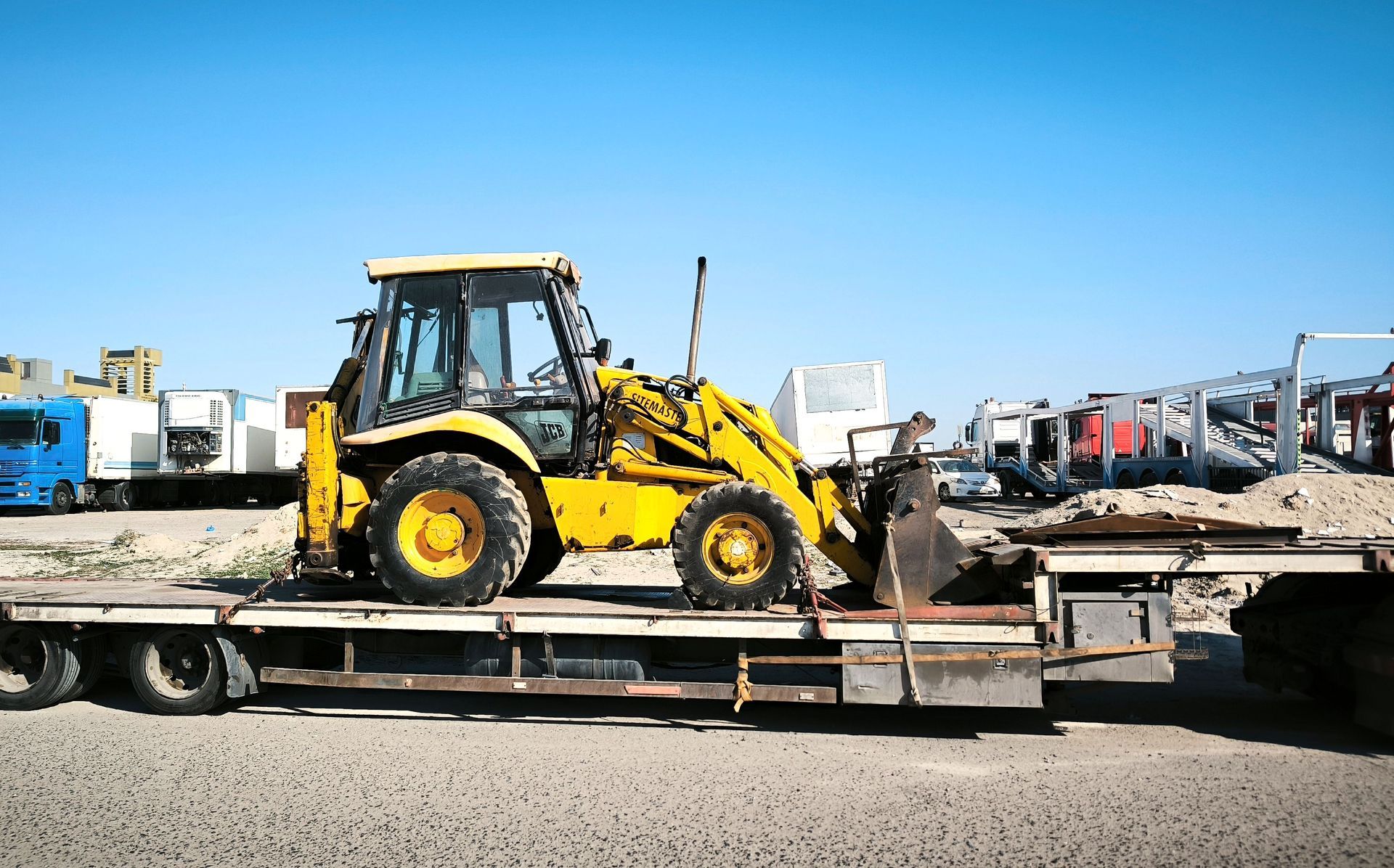
The 26,001-pound CDL line is identical in Texas and Oklahoma, but MC authority, cargo limits, and bobtail territory may not follow the truck across state lines.
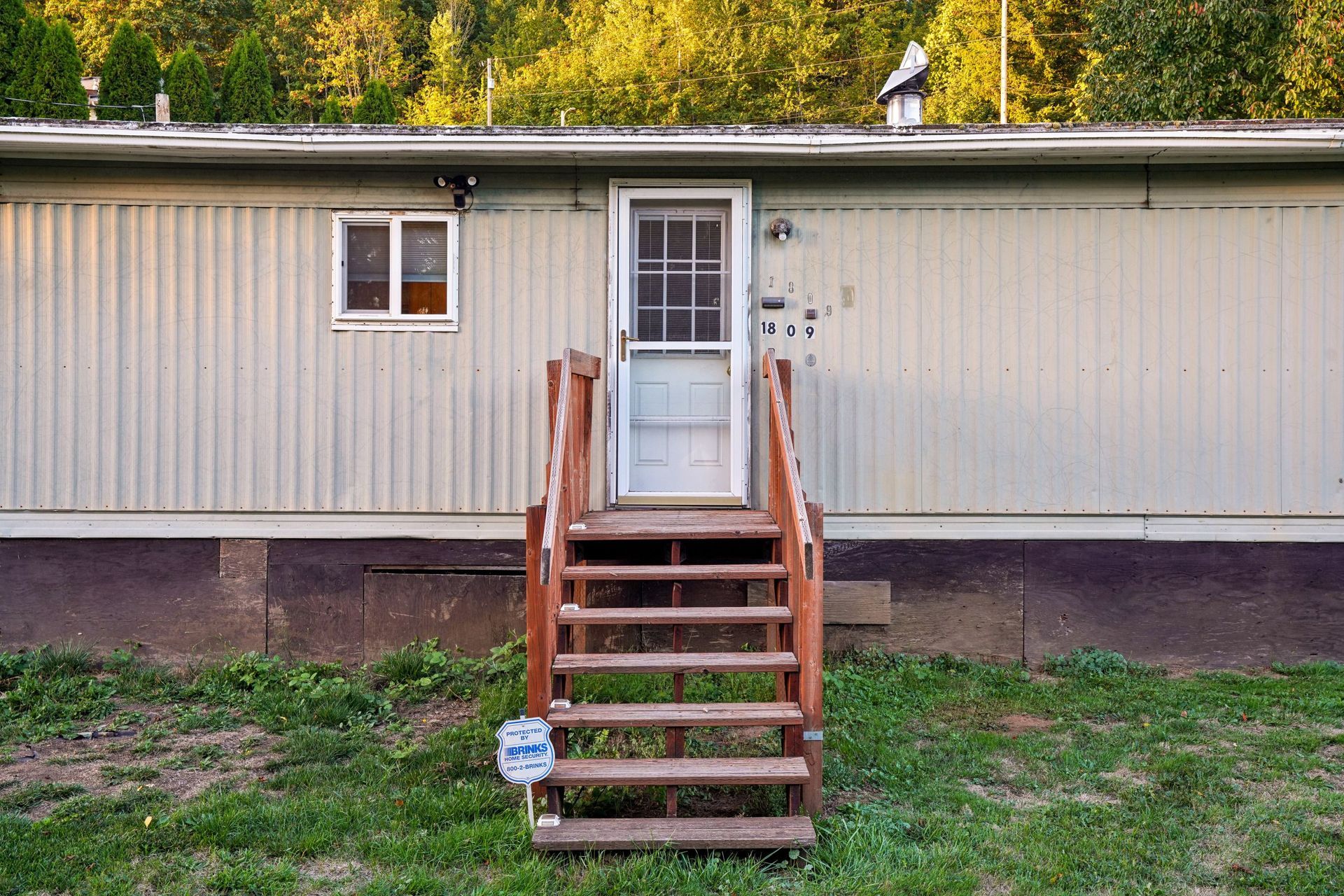
A carport or add-a-room on a manufactured home can shift classification and TWIA eligibility. What to report to your Texas carrier, and when to do it.
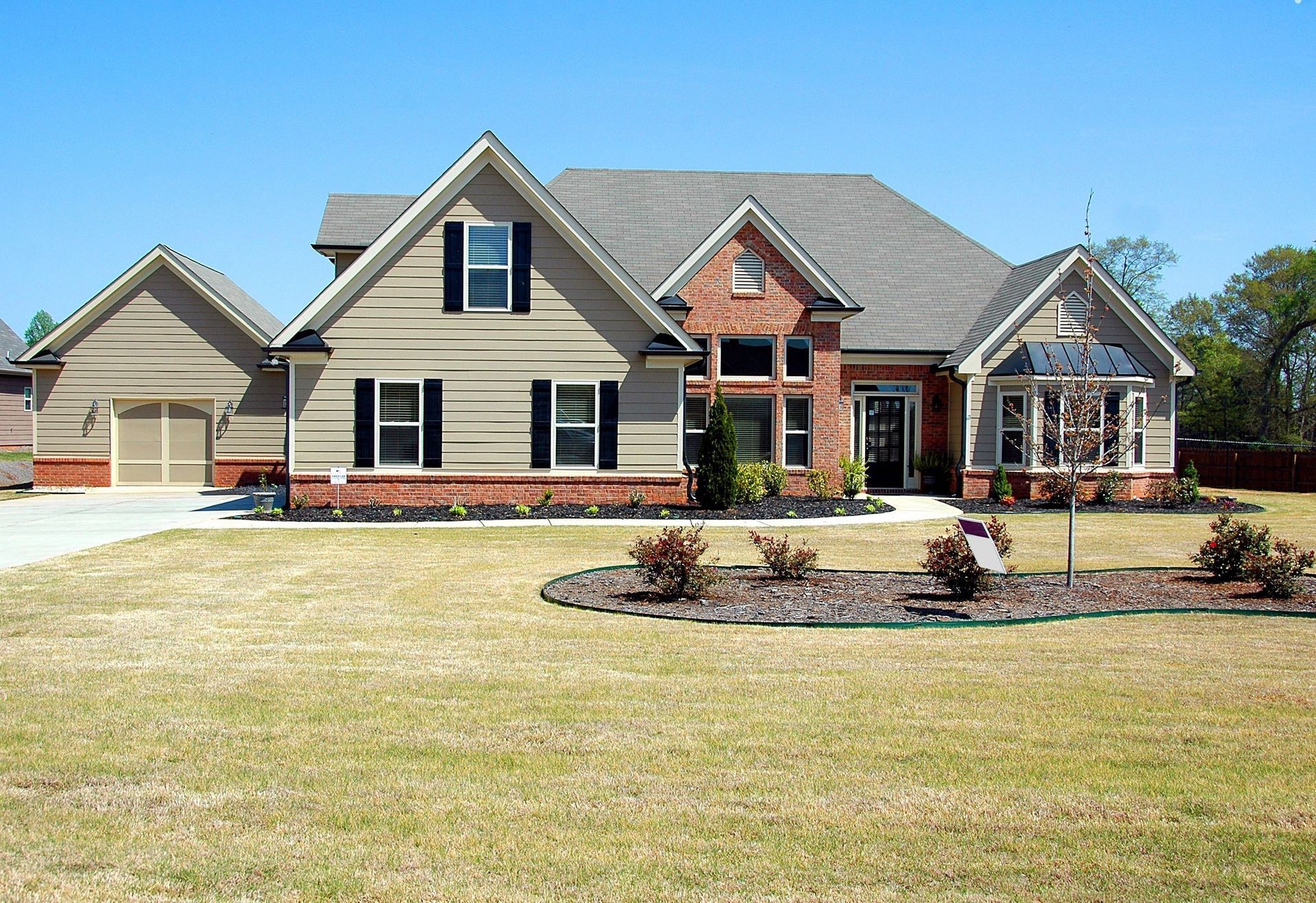
A lender will not fund without homeowners coverage in force on closing day. What to have ready so a new build's insurance timing does not delay closing.
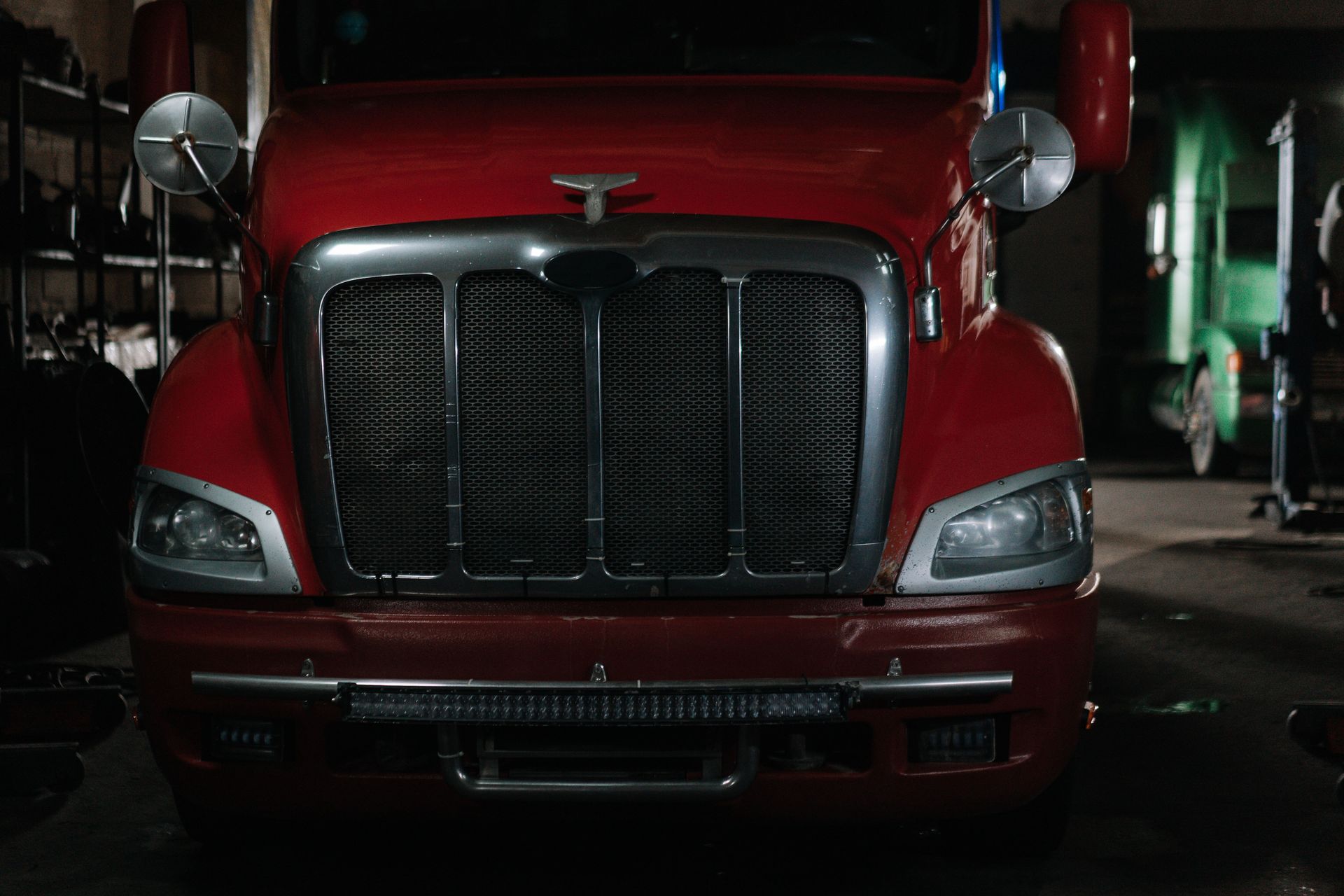
What liability-only really means on a Texas truck: how physical damage coverage works, what ACV pays on an older tractor, and when the gamble stops paying.
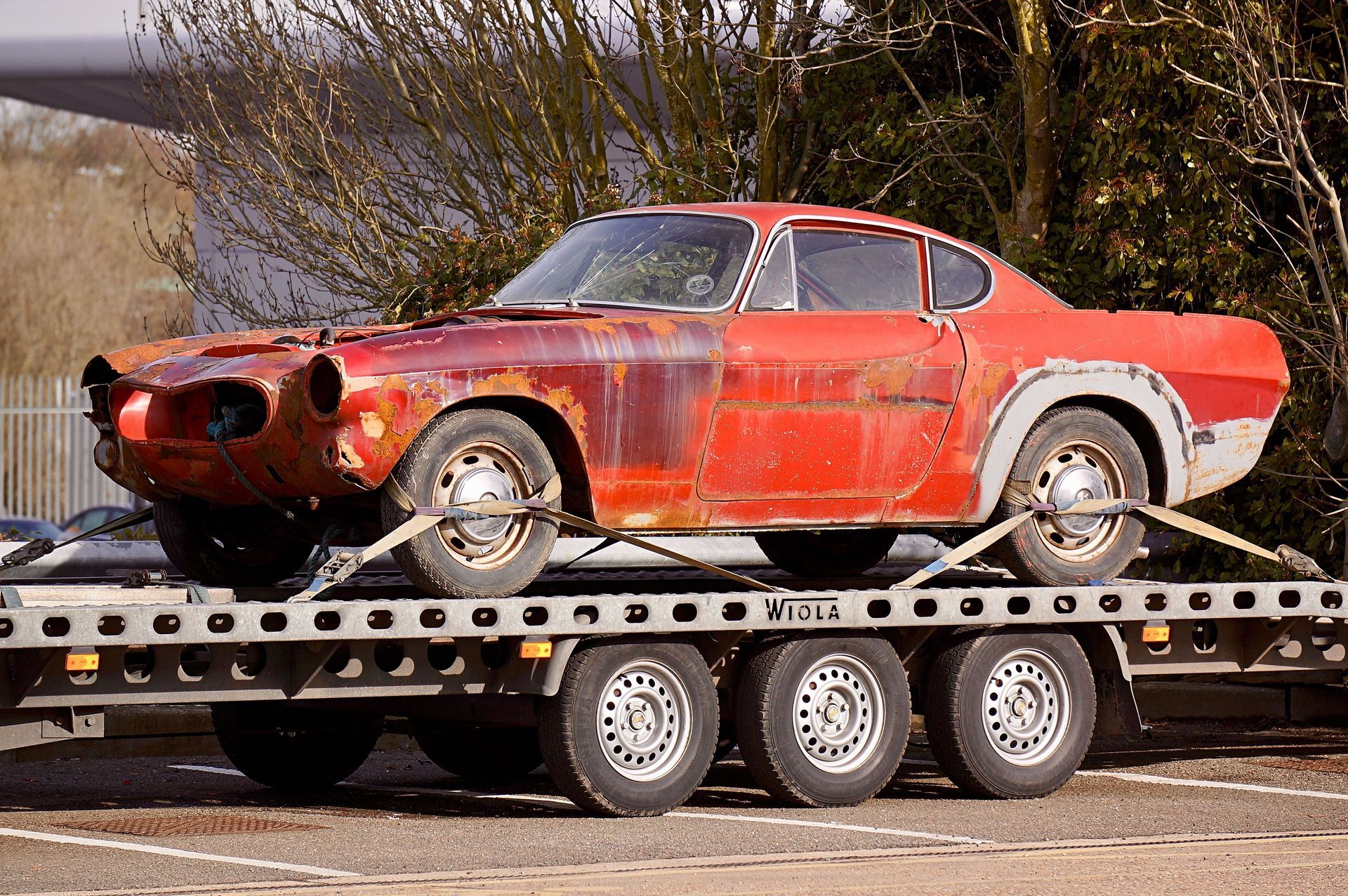
Hauling a non-runner in Texas changes the insurance picture. See how winch-loading, pre-existing damage, and theft on an idle trailer get handled differently.
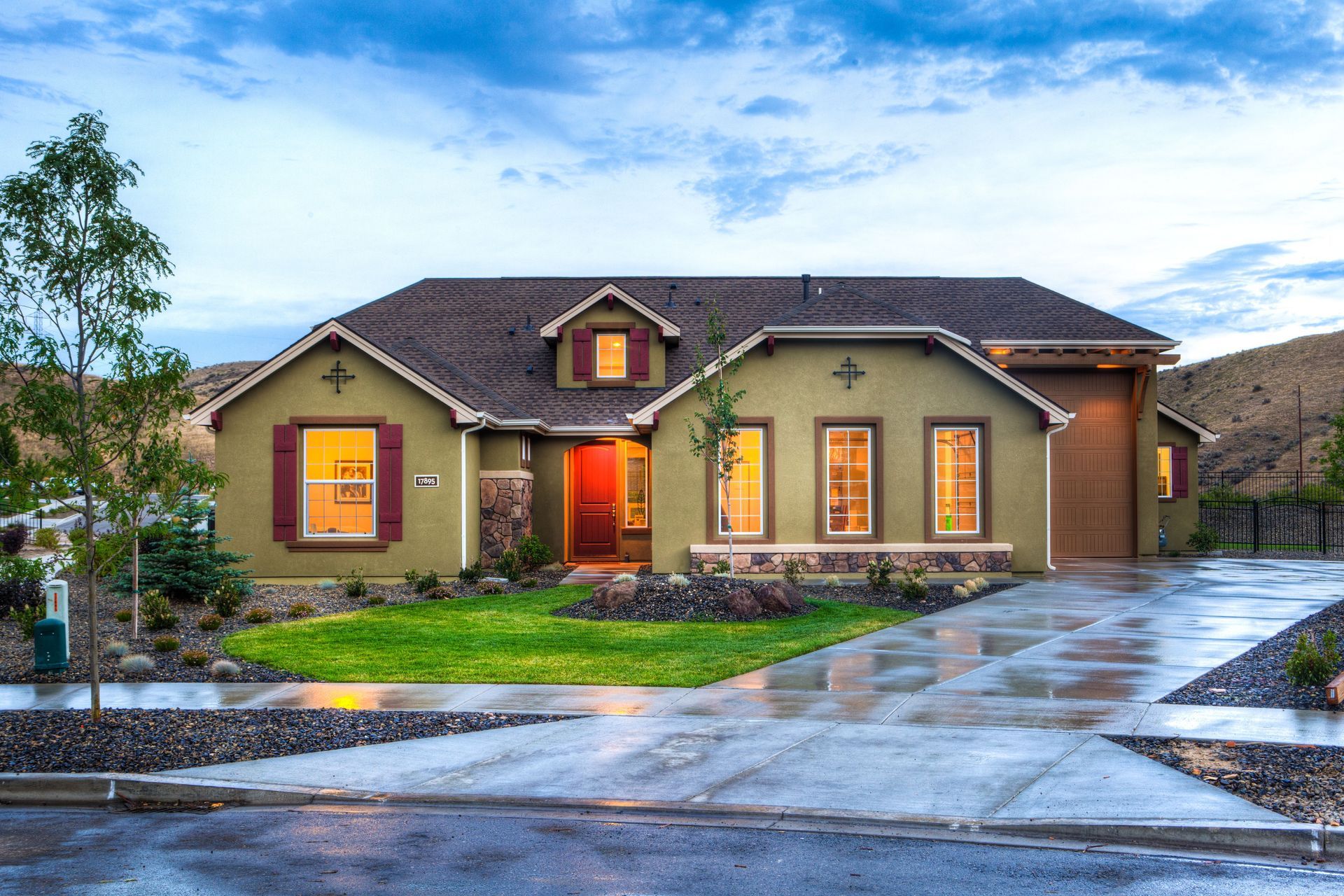
A standard homeowners policy and flood insurance both exclude water that backs up through a sewer or drain. Here's what water backup coverage actually pays for.

Fire protection distance, water supply, outbuildings, replacement cost, flood zones and vacant-lot liability all change how acreage rates in North Texas.

PIP pays medical bills and lost wages after any accident; MedPay pays medical bills only. Why Texas makes you reject PIP in writing, and which fits your family.
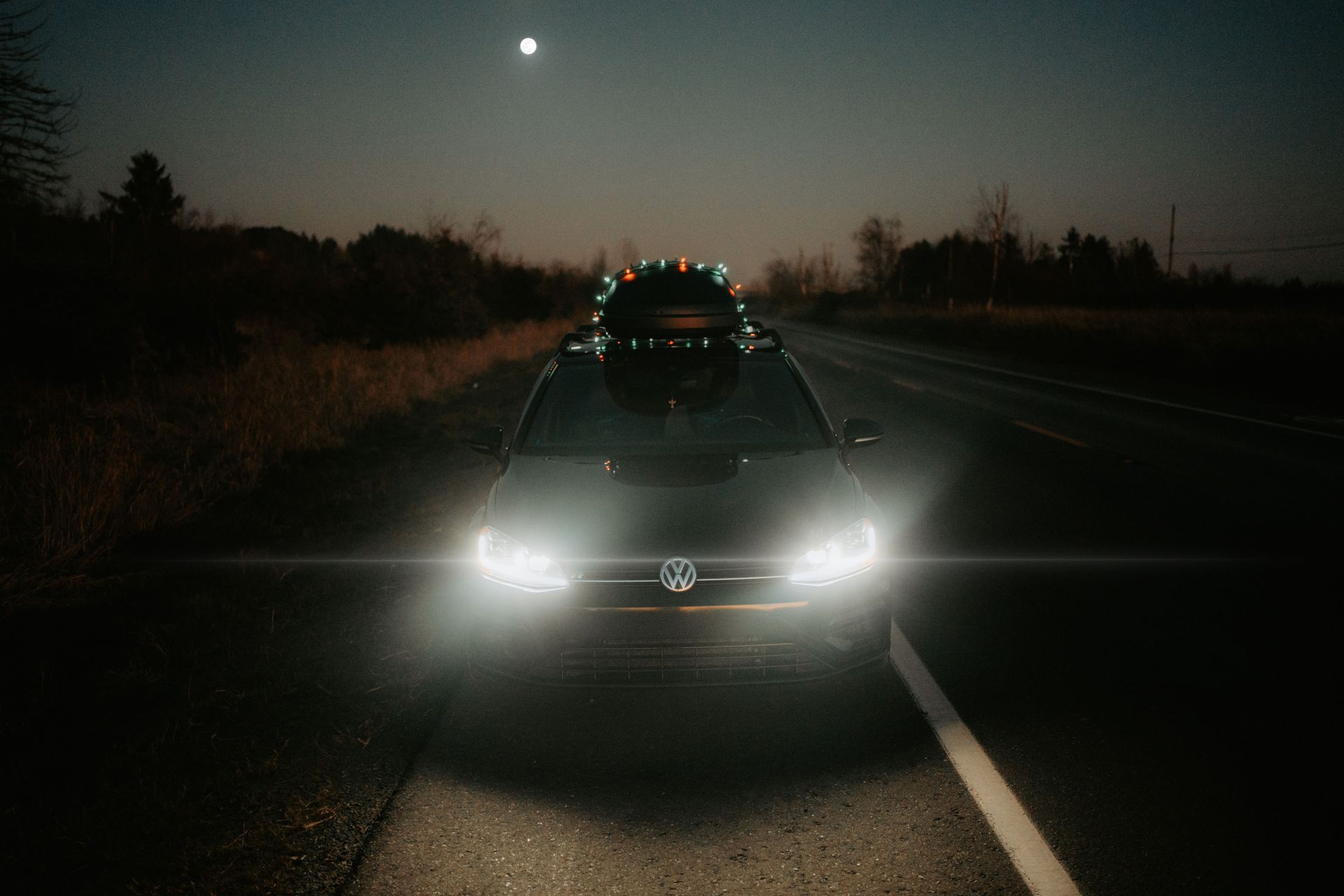
Hit a deer in Texas? Why comprehensive pays instead of collision, what happens if you swerve and miss, and how Wise County drivers prep for deer season.