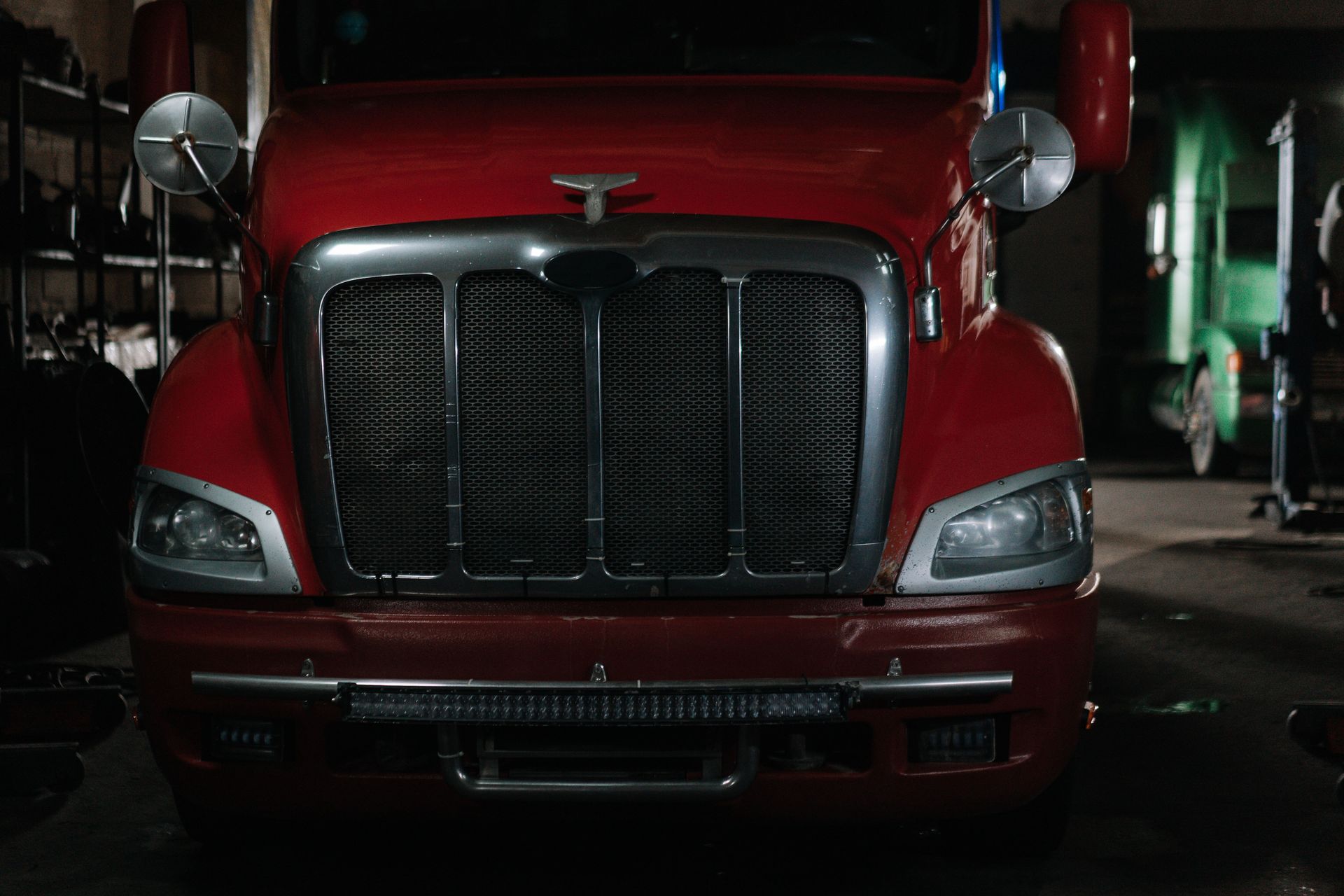
FMCSA Compliance Guide for Texas Truckers
Running a trucking operation in Texas means navigating a complex web of federal, state, and local regulations. The Federal Motor Carrier Safety Administration (FMCSA) sets the standards that every commercial trucking company must follow, and staying compliant isn't just about avoiding fines—it's about protecting your business, your drivers, and everyone sharing the road.
As an independent insurance agency serving Texas truckers, TAP Insurance Agency works with owner-operators and small fleets every day. We've put together this comprehensive guide to help you understand the key FMCSA compliance requirements and why they matter for your operation.
USDOT Number: Your First Step
If you operate commercial motor vehicles in interstate commerce, you need a USDOT number. This is your federal identifier with the FMCSA, and it's the foundation for everything else. You'll apply through the USDOT registration system online, and the process is straightforward. The USDOT number stays with your company for life, so treat it like your business SSN.
In Texas, where we have more commercial trucks on the road than any other state, the USDOT system is vital for state enforcement as well. The Texas Department of Public Safety (TxDPS) and Texas Department of Motor Vehicles (TxDMV) both reference your USDOT number for compliance checks and carrier audits.
Motor Carrier Authority (MC Number)
If you're hauling freight for hire or running a for-hire trucking operation, you need an MC number (Motor Carrier Number). This certifies that you're authorized by the FMCSA to operate as a commercial carrier. You'll get your MC number at the same time you apply for your USDOT number, and it's what shows you've met federal requirements for insurance, safety, and operational standards.
Without an MC number, you cannot legally conduct for-hire trucking operations. Operating without one exposes you to massive fines and potential criminal liability.
BOC-3 (Blanket of Coverage) Filing
Once you have your USDOT number and MC number, you must file a BOC-3 form, which designates your registered agent for service of process. This is a legal requirement that tells the FMCSA where to send official documents and legal paperwork if something goes wrong. You can designate yourself, an employee, or a third-party agent (like a compliance service).
The BOC-3 must be filed within specific timeframes, and failing to maintain it current can result in suspension of your operating authority. This is one of the easiest compliance mistakes to make, but it's entirely preventable.
Minimum Insurance Requirements
Insurance is perhaps the most critical compliance area for trucking. The FMCSA sets minimum liability coverage requirements based on what you haul:
These are minimums. Many shippers and brokers require higher limits (often $1M-$2M), and we recommend most truckers carry at least $1M to stay competitive. Your policy must name the DOT as a certificate holder, and you must maintain continuous coverage without gaps.
Beyond primary liability, you'll want cargo insurance (if you're liable for cargo damage), physical damage coverage on your trucks, and bobtail coverage for when you're driving unloaded. TAP Insurance Agency specializes in trucking coverage and can help you find the right combination for your operation.
UCR (Unified Carrier Registration) Registration
The UCR system is a safety and financial accountability program administered by the FMCSA and state DOTs. Every interstate motor carrier, broker, and freight forwarder must file a UCR registration annually. The fee is based on your fleet size and the number of states you operate in. In Texas, the TxDMV administers UCR, and failure to register will result in suspension of your operating authority.
The UCR is separate from your USDOT registration and is renewed every year between December 1 and January 31.
IRP and IFTA
If you operate in multiple states, you need an IRP (International Registration Plan) registration, which allows you to register your commercial vehicles in one jurisdiction and operate legally across all member states. IRP plates are issued through the Texas Department of Motor Vehicles.
IFTA (International Fuel Tax Agreement) simplifies fuel tax compliance across multiple states by allowing you to report all fuel purchases and mileage through a single jurisdiction. You'll file quarterly IFTA reports, and most states including Texas participate in the agreement.
Electronic Logging Devices (ELDs) and Hours of Service
All commercial drivers are required to use electronic logging devices (ELDs) to record their hours of service, with limited exceptions for certain vehicles or short-haul operations. ELDs record your driving time electronically and sync with the FMCSA's system.
Hours of service rules limit how long drivers can work in a day and week. Federal rules typically allow 11 hours of driving after 10 consecutive hours off duty, with a 14-hour on-duty limit. Non-compliance with ELD and HOS rules results in roadside violations, fines, and CSA points that can trigger audits and operating authority suspensions.
Driver Qualification Files (DQFs)
Every driver on your payroll must have a complete Driver Qualification File maintained by your company. The DQF includes the driver's application, medical certification, driving history checks, and performance records. Incomplete or missing DQFs are among the most common violations found during FMCSA audits and can result in significant fines and safety violations.
Texas-Specific Considerations
Texas adds a few extra requirements on top of federal FMCSA rules. The Texas Department of Public Safety requires all commercial motor vehicles operating in Texas to maintain compliance with FMCSA standards. Many Texas trucking companies also operate into Oklahoma, which has its own state-specific requirements on top of federal rules.
Don't Navigate This Alone
FMCSA compliance is complex, and mistakes can be expensive. TAP Insurance Agency works with trucking companies to ensure they're properly insured and protected. We specialize in trucking insurance and understand the compliance landscape—from BOC-3 filings to primary liability coverage to bobtail protection.
If you're starting a trucking operation or need to review your current compliance posture and insurance coverage, reach out to us.
Text us today at (800) 666-2254 for a free consultation, or visit our website. We're here Mon-Fri 7AM-7PM, Sat 9AM-6PM to help you stay compliant and protected.