What RCV vs. ACV really means for your family when disaster strikes

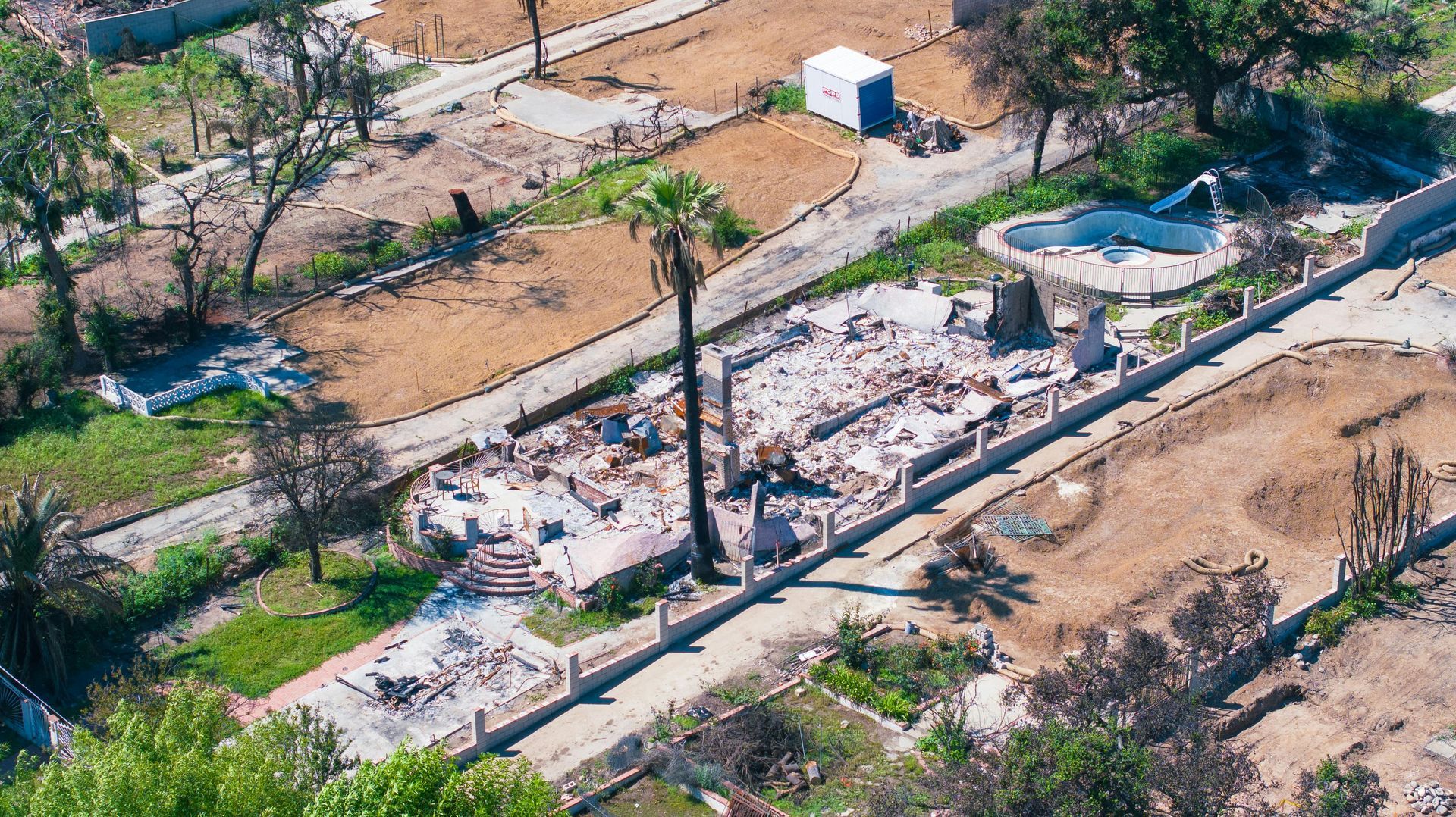
After a tornado, fire, or severe hailstorm, thousands of Texas homeowners each year face an unwelcome discovery: their homeowners insurance policy does not cover the full cost to rebuild their home. This gap—known as "underinsurance"—can mean the difference between a full recovery and a devastating financial loss.
Here's what every Texas homeowner needs to understand before a claim happens.
Replacement Cost vs. Actual Cash Value
Most standard homeowners policies offer one of two coverage structures:
Replacement Cost Value (RCV) pays what it actually costs to rebuild your home at today's material and labor prices, regardless of depreciation. This is what most homeowners expect their policy to provide.
Actual Cash Value (ACV) pays the depreciated value of your home—what it was worth at the time of the loss, not what it costs to replace. If your 15-year-old roof is damaged, ACV pays what a 15-year-old roof is worth today, not what a new roof costs to install.
The difference can be tens of thousands of dollars.
Why Texas Homes Are Especially At Risk
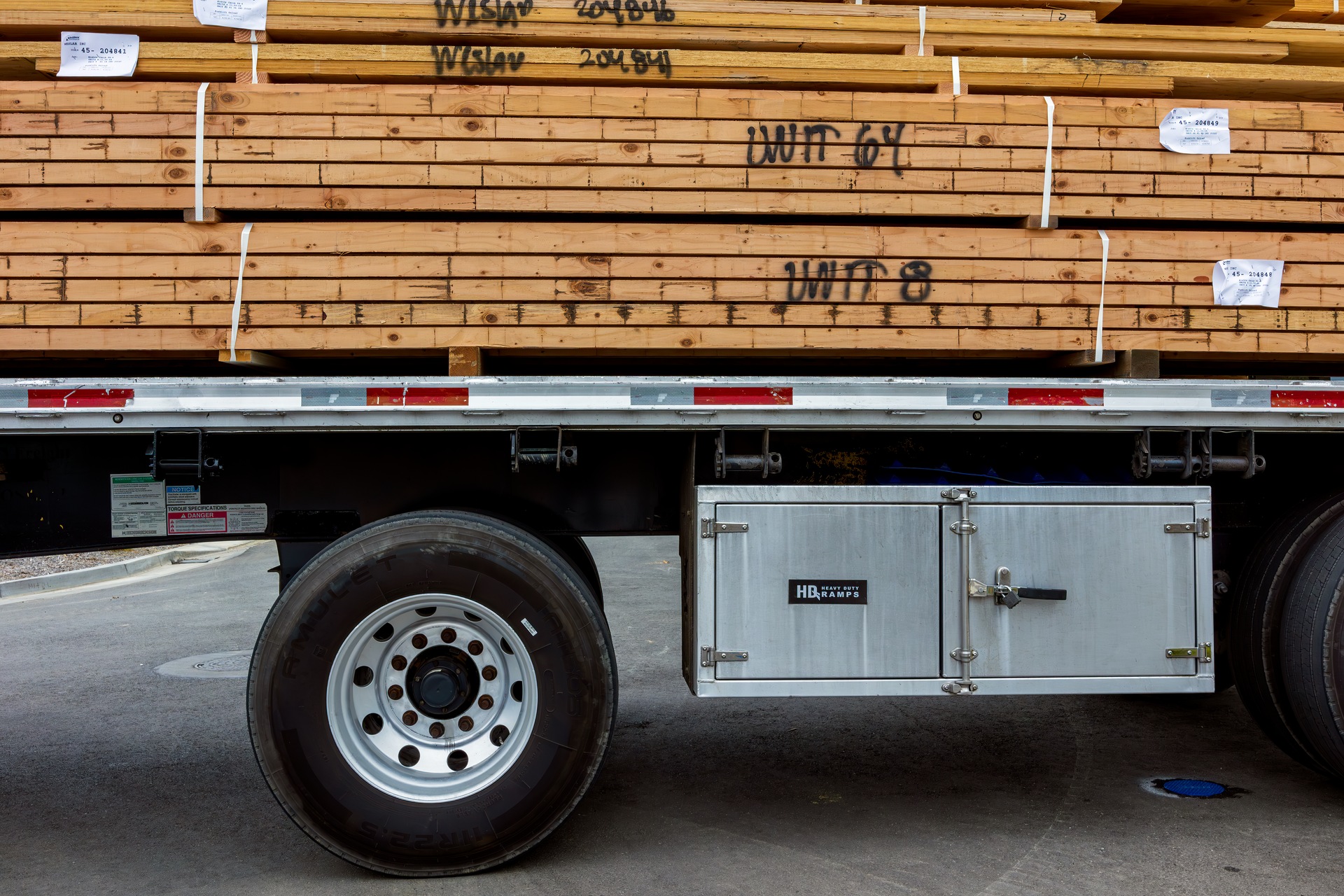
Texas has seen dramatic increases in construction costs over the past several years. Lumber, labor, roofing materials, and HVAC equipment have all risen sharply. A home that was properly insured for $250,000 five years ago may cost $320,000 or more to rebuild today.
Many homeowners set their dwelling coverage once and never revisit it. Annual policy reviews—especially after home improvements—are essential to stay properly protected.
Extended Replacement Cost and Guaranteed Replacement Cost
Some policies offer additional protection:
- Extended Replacement Cost covers a percentage above your dwelling limit (commonly 20–25%) if construction costs exceed your coverage amount.
- Guaranteed Replacement Cost (rare and more expensive) pays whatever it actually costs to rebuild, regardless of the limit.
Ask your agent which coverage type your policy includes.
The Inflation Gap
Texas homeowners who bought their policies three or more years ago and have not reviewed their coverage since are most at risk. The Texas Department of Insurance has noted that claim disputes over insufficient dwelling coverage are among the most common complaints from policyholders after major losses.
What to Do Right Now
- Pull out your current policy declarations page and find your dwelling coverage limit (Coverage A).
- Compare it to current rebuild cost estimates. Your agent can run a replacement cost estimator for free.
- Check whether you have RCV or ACV. This is usually listed on your declarations page under "Loss Settlement."
- Ask about inflation guard endorsements, which automatically increase your dwelling limit each year to keep pace with rising construction costs.
A quick 15-minute policy review with an independent agent could save your family from a six-figure gap if disaster strikes. At TAP Insurance Texas, we review all of our homeowners policies annually for exactly this reason.
Ready to make sure your home is truly covered? Call us at (800) 666-2254 or visit tapinsuretx.com to get started.
The body content of your post goes here. To edit this text, click on it and delete this default text and start typing your own or paste your own from a different source.