A Gooseneck Full of Cattle Is Not General Freight: Insuring a Texas Livestock Hauler
Live animals change how cargo, liability and the trailer are insured, and the exclusions are not the ones a flatbed or dry van hauler is used to.
Free quote from TAP Insurance Agency — call (800) 666-2254 or text QUOTE to (817) 646-6700.
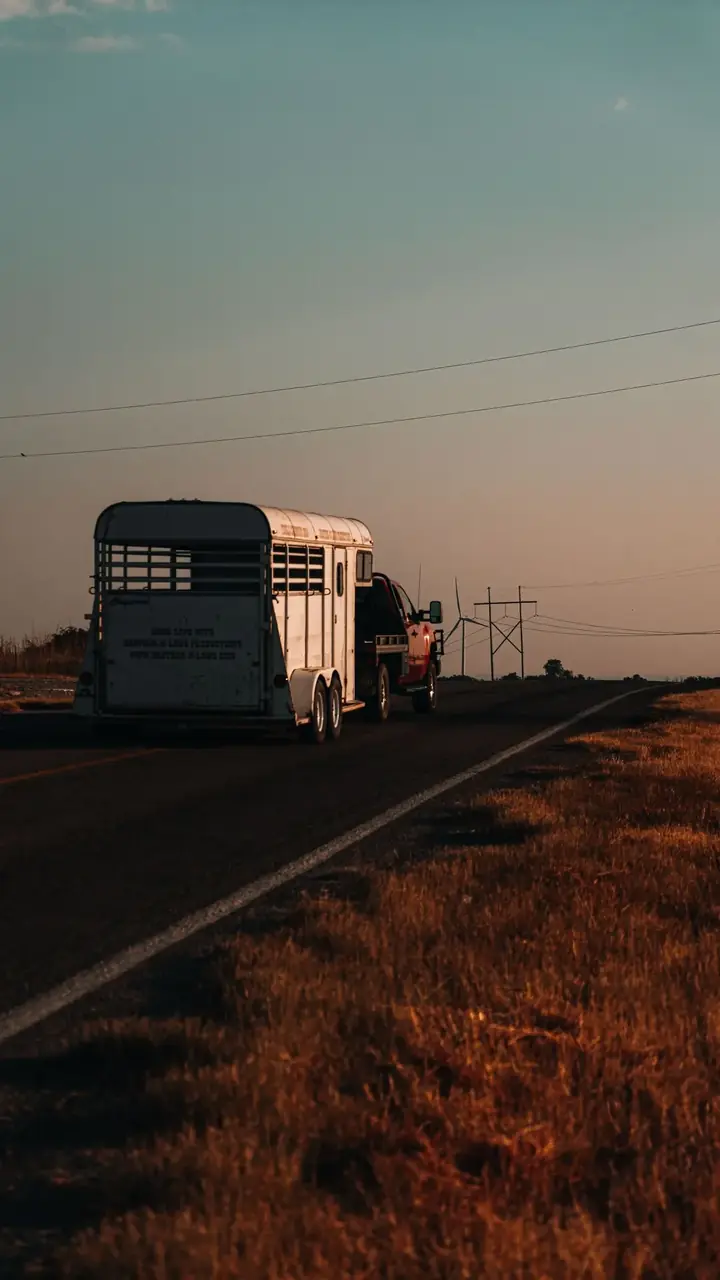
Picture a rancher outside Decatur with a three-quarter-ton pickup and a gooseneck stock trailer. A neighbor asks him to haul twelve head to a sale barn two counties over and offers to split the fuel. He figures the trucking policy he carries covers whatever rides behind the truck. Then he reads the cargo form and finds that live animals are excluded or sharply limited.
Short answer: a livestock load usually does not fit an ordinary cargo form. Many cargo policies are written for lifeless freight, so mortality, disease, stress and handling losses are often excluded or sub-limited, even when a wreck itself might be covered. Before the first paid load, read the cargo form line by line and ask your agent how it treats live animals.
Why is a livestock load different from general freight on a cargo policy?
Steel, lumber and boxed goods do not panic, overheat or get sick. A cargo form is built around loss you can photograph: crushed, burned, stolen or soaked. It helps to see how a standard cargo policy treats freight first, because animals can be hurt or die in transit with no visible damage to the trailer at all.
Mortality means the death of an animal during the trip, and it is the word to hunt for on the form. Some policies pay for deaths caused by a named accident such as a collision or rollover, yet exclude deaths from heat, stress, shrinkage or an illness the animal already had. The wording varies from form to form, so check it rather than assuming.
What does livestock cargo coverage usually exclude?
Disease and pre-existing conditions are common carve-outs, since the insurer cannot see the health of the herd. Heat, cold, delay and rough handling may be excluded too, and some forms respond only when a listed event causes the loss. Treat this paragraph as a list of questions to ask, not a list of answers, because every form words these limits differently.
Forms written for livestock often add conditions of their own. They may cap the head count or the value per animal, require a certain trailer type, or ask how you load and unload. Brand inspection papers, health certificates and sale-barn paperwork can come into play as well. Ask which conditions apply before you accept a load, because those conditions are what decide a claim.
Ask about reporting rules and deductibles too. Some forms want a loss reported quickly or want a veterinarian to examine the animals, and missing those steps can complicate a claim. Keep a record of each load: head count, ownership papers, loading time and the weather. Good records help whoever reviews the loss, whether that is an adjuster or an attorney.
Does it matter if you haul your own animals or other people's?
It matters a great deal. Hauling your own cattle to your own pasture is generally a ranch activity, and it is often handled on a farm or ranch policy instead of a commercial trucking policy. Hauling a neighbor's animals for pay, even just to split fuel, is generally for-hire work, which commercial markets rate differently and may tie to operating authority and filings.
The line blurs quickly. A favor that turns into a regular Saturday run to the sale barn starts to look like a business to an underwriter. Size matters too: a vehicle with a gross vehicle weight rating of 26,001 lb or more generally requires a CDL under federal rules, so confirm your own setup with FMCSA or TxDMV, and ask whether authority applies to the hauling you plan to do.
What happens when an animal gets loose on the road?
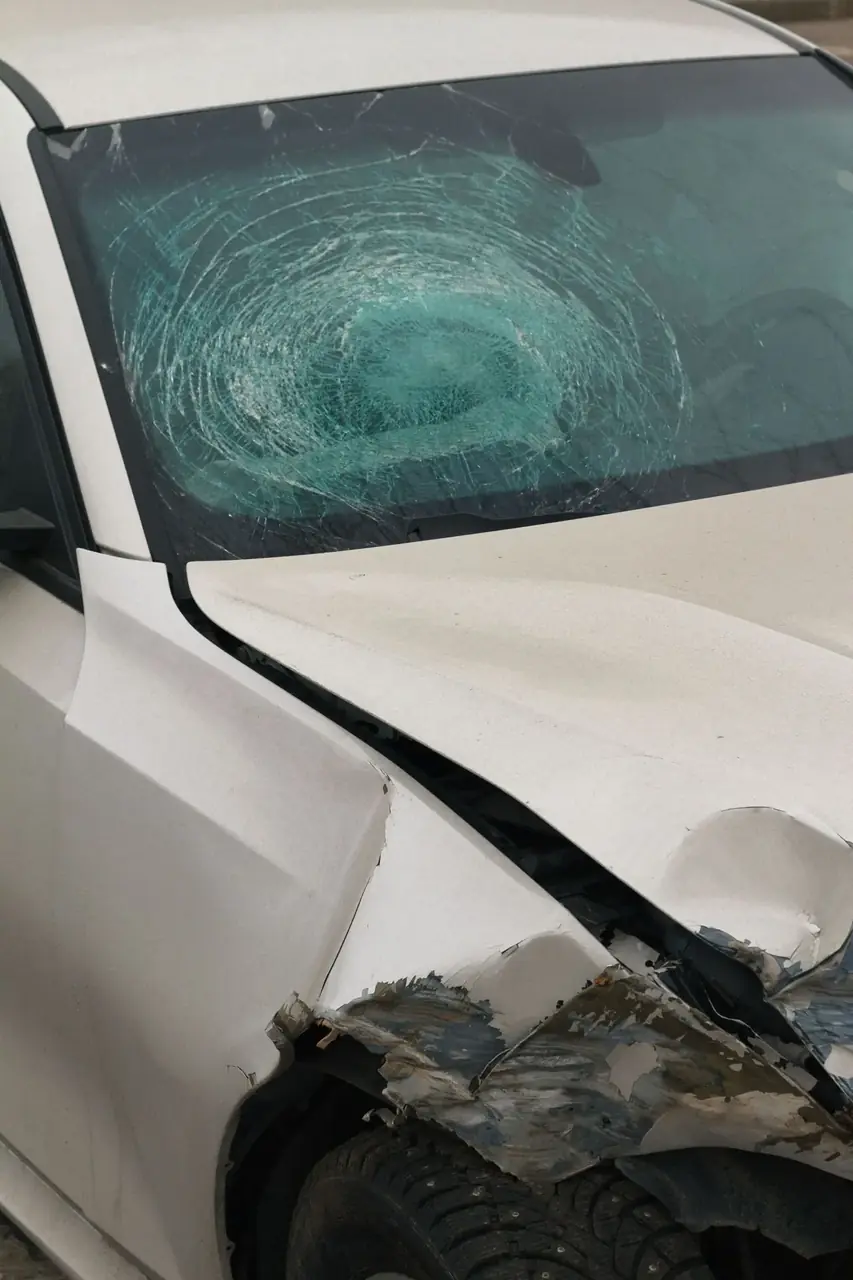
Say a latch gives way at a farm-to-market intersection and a steer wanders onto the pavement at dusk. A driver swerves, hits it and damages a car. That is a liability question rather than a cargo question: liability coverage generally responds to injury or damage you cause to other people, while cargo coverage responds to loss of the load itself.
Expect some fine print. Many liability forms limit coverage for property in your care, custody or control, which can matter when someone else owns the animals. Fences, gates and pasture damage are a separate matter again. Who is at fault is a question for an attorney or the policy language, so do not try to settle it on the roadside.
How do the truck and trailer fit on the same policy?
The pickup, the gooseneck and the animals are three separate insurance questions. The truck needs liability and physical damage, the trailer may need to be scheduled for its own damage coverage, and the load needs its own form. A trailer left off the schedule may not have collision protection at all, so ask about it by name.
Ranch country has plenty of borrowed equipment, and pulling a trailer you do not own is where a lot of surprises start. Many policies treat borrowed or interchanged equipment differently from scheduled equipment, so check before you hook up a neighbor's stock trailer. Confirm the hitch and weight rating suit the load too, since a loaded stock trailer is heavy and shifts as the animals move.
What should you tell an agent before you haul your first load?
Bring specifics. Say what animals you haul, whether cattle, horses, goats or hogs, how many head per trip, how far you go and whether you cross into Oklahoma. Explain how you load and unload, whether you use a chute, and whether you haul only your own animals or other people's. Those details are what an underwriter uses to pick a form.
Bring the truck and trailer details and your plans for growth as well. A one-time favor and a weekly route get insured differently, and it is far easier to set that up before the trip than to explain it after a claim. Ask the agent to show you the livestock language in the form itself instead of summarizing it from memory.
TAP Insurance Agency is an independent agency that shops multiple markets, so we can compare forms that actually address live animals and walk you through the exclusions in each. If you are weighing a bigger move into hauling, start with our overview of commercial trucking insurance in Texas and we will take it from there.
Call (800) 666-2254 or text QUOTE to (817) 646-6700 · tapinsuretx.com
Educational only; coverages and availability vary by carrier. TAP Insurance Agency, PLLC — Rhome, TX, licensed in Texas and Oklahoma.
— TAP Insurance Agency · Call (800) 666-2254 — or text QUOTE to (817) 646-6700 · tapinsuretx.com