The Weight Rating on Your Hotshot Insurance Application Doesn't Match the Truck: What Happens?
The rating on the application comes from the plate on the equipment, and a mismatch is easier to fix early than at claim time.
Free quote from TAP Insurance Agency — call (800) 666-2254 or text QUOTE to (817) 646-6700.
Picture a hotshot owner filling out an application for a new gooseneck trailer. The form asks for the trailer's GVWR, and the owner is not sure whether to use the number on the plate or the weight from the scale. The owner types the scale number because it feels more honest, and sends the form in.
Use the manufacturer's rating from the plate, not the scale weight. A weight rating that does not match the actual trailer can change how the unit is rated, may affect the filing, and can raise questions at claim time. If a number is wrong, correct it with your agent in writing instead of leaving it.
What happens when the weight rating on your application is wrong?
An application is a set of statements the carrier relies on to rate the risk. When the weight rating, year, make or trailer type does not match the real equipment, the carrier may rate the rig in the wrong weight class, and the policy may be priced or written for a different unit than the one on the road. The problem often stays invisible until something forces a closer look.
Mismatches can show up at renewal, in an audit, during an inspection or when a claim is reported and the adjuster compares the application to the actual unit. A carrier may ask for corrected information, adjust the rating mid-term or question whether the coverage fits. How a given carrier reacts depends on its rules and the specific facts, so treat it as a question to put to your agent early.
Federal filings and certificates attached to the policy can also reference the vehicles listed. If the list does not match the equipment, that gap may create paperwork trouble with whoever relies on the certificate, such as a broker or a shipper. Do not assume the filing fixes itself.
Is the plate rating the same as the weight you actually haul?
No. GVWR is the manufacturer's maximum rating for the unit, while the scale shows what it weighs on a given day, and the application asks for the rating. Our post on GVWR and GCWR weight ratings explained covers the difference in full, so the point here is simply that the rating comes from the label and not from a load ticket.
Where do you find GVWR on a pickup and a trailer?
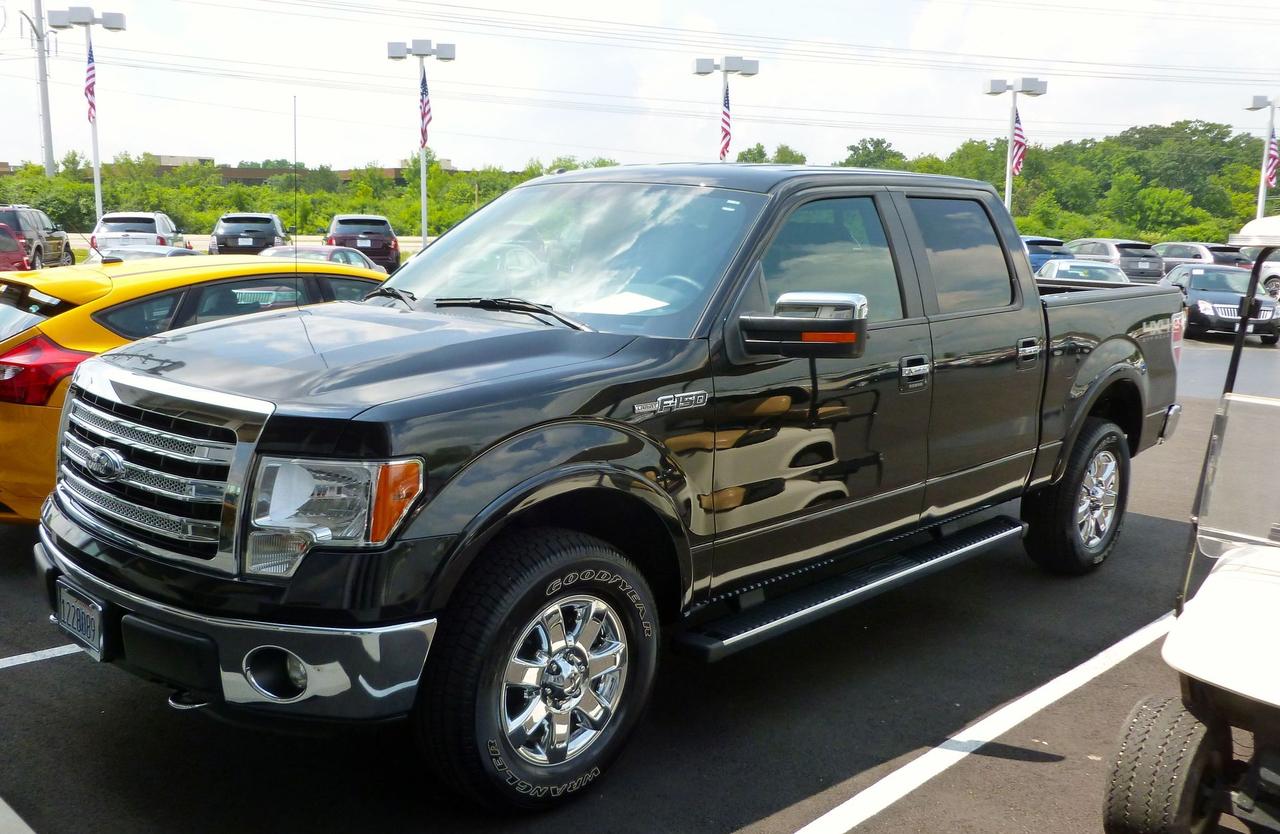
On a pickup, the manufacturer's certification label is normally on the driver's door jamb, and it lists the GVWR along with the VIN and axle ratings. On a trailer, look for the manufacturer's plate or VIN tag, often near the tongue, the gooseneck or the front frame rail, and wipe off dirt before reading it. The title or registration and the original bill of sale or manufacturer's statement of origin may also list the rating.
Take a clear photo of each label and keep it with the policy file. If a number on the plate disagrees with the paperwork, tell your agent which one is stamped on the equipment. The combined rating, or GCWR, usually comes from the truck manufacturer's documentation, so ask for it instead of adding two numbers yourself.
What if the trailer plate is missing or unreadable?
Plates get painted over, rusted off or removed during repairs. Start with the VIN, which is often stamped elsewhere on the frame, and ask the manufacturer or a dealer for a document that states the rating for that VIN. Do not guess or estimate from similar trailers, and tell your agent the rating is pending so the application can say so.
The rating also matters outside insurance, because where the 26,001-pound line falls decides whether a driver may need a commercial license, and the federal rule is based on ratings, not scale weight. Confirm the exact thresholds and registration rules with FMCSA and TxDMV, or ask an attorney, before relying on any number.
Does a modified truck change its rated weight?
Not on its own. Adding helper springs, converting a single rear wheel truck to a dually or swapping axles may change what the truck can handle, but the door label may still show the original manufacturer's rating. Some modifications are documented by a re-certification or a manufacturer letter, and others are not, so what counts depends on the equipment and who made the change.
Tell your agent about modifications and give them the paperwork you have. The application should describe the rig as it is, and the label as it reads, so any difference is on the record instead of discovered later. An honest note beats a silent guess.
How do you correct a mismatch after the policy starts?
Call your agent as soon as you notice the difference, and follow up in writing with the corrected rating, the VIN and a photo of the plate. Your agent can send the correction to the carrier, which may adjust the rating, ask for more documents or update the unit schedule. An adjustment can move the cost in either direction, so ask what the change does before you approve it.
Do not wait for renewal or for a claim to bring it up. A correction made on your own initiative reads very differently from a mismatch the carrier finds after a loss. Keep a copy of every message and updated declarations page, and ask your agent to confirm that any certificate or filing that lists the unit has been updated too.
What should you gather before applying for hotshot coverage?
Bring photos of the truck door label and trailer plate, the VINs, the year, make and model of each unit, title or registration copies, and any documents showing a modification. Add the planned radius, the freight and the driver details, since the rating is only one part of the file. Having the paperwork in hand keeps the application accurate the first time.
If something already filed turns out wrong, ask your agent how to fix it mid-term and keep the correction in writing. TAP Insurance Agency is an independent agency that shops multiple markets, and you can look at hotshot trucking insurance in Texas with us before you sign, with the label numbers in front of you.
Call (800) 666-2254 or text QUOTE to (817) 646-6700 · tapinsuretx.com
Educational only; coverages and availability vary by carrier. TAP Insurance Agency, PLLC — Rhome, TX, licensed in Texas and Oklahoma.
— TAP Insurance Agency · Call (800) 666-2254 — or text QUOTE to (817) 646-6700 · tapinsuretx.com