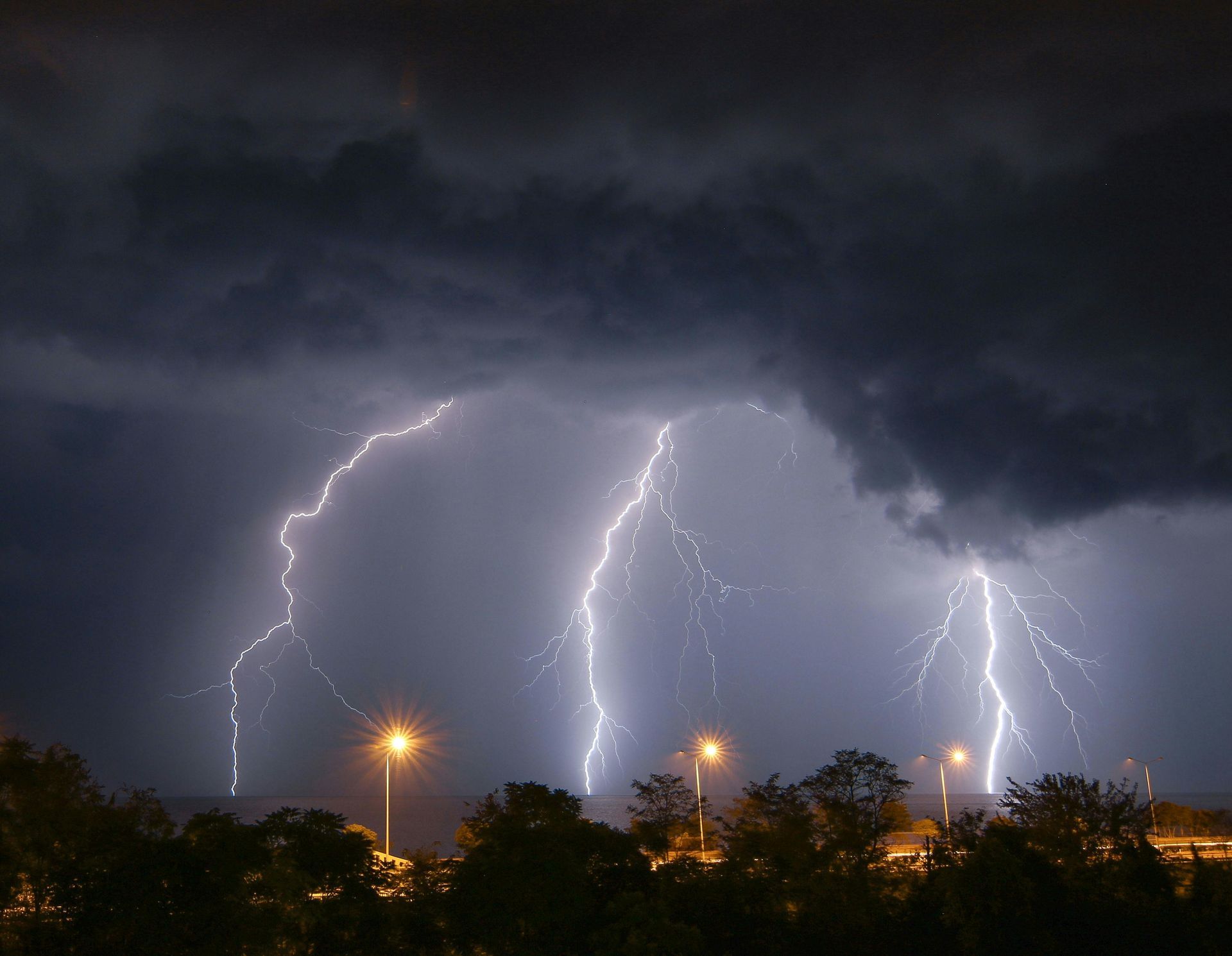
Texas holds an unwelcome title: the state with the most hail damage insurance claims in the country. If you live anywhere in North Texas — especially the DFW metroplex — hail isn’t a matter of if, it’s a matter of when. Here’s what you need to know about protecting your property and making sure your insurance has you covered before the storms roll in.
When Is Hail Season in Texas?
Hail season in Texas generally runs from March through June, with April and May being the peak months. However, significant hail events can occur as early as February and as late as September. North Texas, including the DFW metroplex, Wise County, and the surrounding areas, sits squarely in what meteorologists call “Hail Alley” — a region stretching from the Texas Panhandle through Oklahoma and into Kansas that experiences more large-hail events than anywhere else in the world.
In recent years, DFW has experienced multiple billion-dollar hail events, with storms in 2024 and 2025 causing widespread damage to roofs, vehicles, and commercial properties across Tarrant, Dallas, Denton, and Collin counties.
Does Homeowners Insurance Cover Hail Damage?
Yes — standard homeowners insurance policies in Texas cover hail damage to your home’s structure, including the roof, siding, windows, gutters, and other exterior components. This falls under the “dwelling” coverage portion of your policy.
However, there are some important details to understand. Most Texas homeowners policies include a separate wind and hail deductible, which is typically a percentage of your dwelling coverage rather than a flat dollar amount. For example, if your home is insured for $300,000 and your wind/hail deductible is 2%, you’d pay $6,000 out of pocket before your insurance kicks in. Some policies have 1% deductibles, while others may be as high as 5%.
It’s worth reviewing your policy to know your deductible before a storm hits. If you’re unsure, give your agent a call — we’re happy to walk through your policy with you.
For homeowners in the 14 coastal counties and parts of Harris County, wind and hail coverage is handled separately through the Texas Windstorm Insurance Association (TWIA), since many private insurers don’t write wind coverage in those areas.
Does Auto Insurance Cover Hail Damage?
Hail damage to your vehicle is covered under the comprehensive portion of your auto insurance policy — not collision. Comprehensive coverage is optional in Texas (the state only requires liability), but if you have a loan or lease on your vehicle, your lender almost certainly requires it.
If you only carry the Texas minimum liability coverage (30/60/25), hail damage to your own vehicle is not covered. Adding comprehensive coverage is typically affordable — often just $10 to $30 per month depending on your vehicle and deductible — and it covers not just hail but also theft, vandalism, flooding, and falling objects.
How to Prepare for Hail Season
Taking proactive steps before hail season can save you significant headaches and money.
Review your insurance policies now. Don’t wait until a storm is in the forecast. Check your homeowners and auto policies to confirm you have adequate coverage and understand your deductibles. If your roof is older than 15 years, talk to your agent about your options — some carriers have limitations on older roofs.
Document your property. Take photos and video of your roof, siding, vehicles, and outdoor structures while they’re in good condition. This documentation is invaluable during the claims process and helps establish the condition of your property before a storm.
Maintain your roof. A well-maintained roof withstands hail better than one with existing damage. Replace missing or damaged shingles, clear debris from gutters, and consider impact-resistant roofing materials when it’s time for a replacement. Many insurance carriers offer discounts for impact-resistant (Class 4) roofing.
Protect your vehicles. If severe weather is forecast, park in a garage or under covered parking whenever possible. If you don’t have covered parking, windshield sun shades and heavy blankets can provide some protection in moderate hail events.
Know your claims process. After a hail event, contact your insurance agent promptly. Texas law requires insurers to acknowledge claims within 15 days and accept or deny them within 15 business days after receiving all necessary information. Document all damage with photos before making temporary repairs, and keep receipts for any emergency repairs you make to prevent further damage.
After the Storm: Filing a Hail Damage Claim
If your property sustains hail damage, here’s what to do. First, document everything — take detailed photos and video of all damage to your roof, siding, windows, vehicles, and any other affected property. Second, contact your insurance agent to start the claims process. Third, get a professional inspection from a reputable roofing contractor for an independent assessment. Be cautious of storm chasers who show up at your door — work with established local contractors. Fourth, make temporary repairs if needed to prevent further damage (like tarping a hole in your roof), and keep all receipts. Fifth, be present for the adjuster’s inspection so you can point out all areas of damage.
Is Your Insurance Ready for Hail Season?
At TAP Insurance Agency, we help homeowners and drivers across DFW and all of Texas make sure they’re properly protected before severe weather hits. Whether you need to review your current coverage, add comprehensive to your auto policy, or shop for a better rate on homeowners insurance, we’re here to help.
Text us at (817) 646-6700 for a free policy review, or call (800) 666-2254. We’re open Monday through Friday 7 AM to 7 PM, Saturday 9 AM to 6 PM, and Sunday by appointment.
TAP Insurance Agency is an independent insurance agency based in Rhome, TX, in the heart of North Texas. We help families and businesses across the DFW metroplex and all of Texas find the right insurance coverage at competitive rates.