
You Opted Out of Workers' Comp in Texas. Now What Protects the Business When Someone Gets Hurt?

Going non-subscriber is legal for most Texas employers, but it trades the comp system's protections for lawsuit exposure, and the programs built to fill that gap work very differently.
Free quote from TAP Insurance Agency — call (800) 666-2254 or text QUOTE to (817) 646-6700.
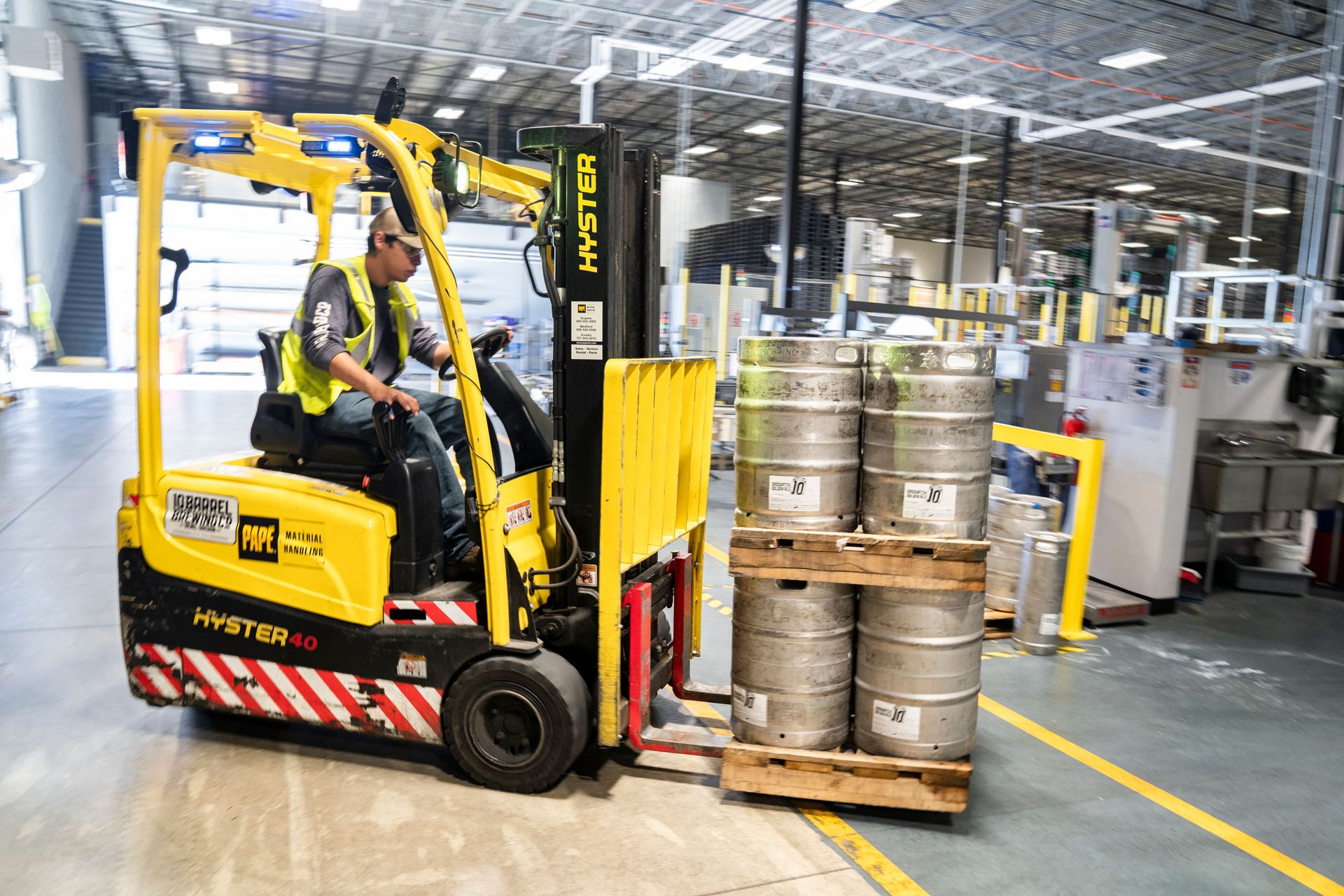
Say a 25-employee manufacturing shop in Johnson County dropped its workers' comp policy years ago and has never had a serious injury. Then a forklift accident puts an employee in the hospital with a broken pelvis. A week later the owner receives a letter from the employee's attorney alleging the shop failed to provide a safe workplace.
Generally, what protects a Texas non-subscriber when someone gets hurt is a mix of employer's liability insurance for lawsuits and, often, an injury benefit plan that pays the employee directly. Neither works like workers' comp, and neither is automatic. Confirm the details with your agent, the Texas Department of Insurance and an employment attorney before you rely on any of it.
What non-subscriber status actually changes
Texas is the only state where most private employers can legally choose not to carry workers' compensation. Employers who opt out are called non-subscribers, and they give up the protection the comp system provides. In exchange they avoid the premium and the rules of the comp program, but the trade has teeth.
Some owners use a different structure to fill the gap. The way occupational accident insurance works for an owner-operator in trucking is one example, and it shows that alternatives to comp exist, but it is built for a specific kind of worker and does not carry over cleanly to every business. A manufacturing shop needs its own answer, and that answer should be checked against how the shop is set up.
The lawsuit exposure the comp system used to absorb
When an employer carries comp, an injured worker generally gets medical and wage benefits without proving anyone was at fault, and the employer is generally shielded from a negligence lawsuit. A non-subscriber loses that shield. Under Texas Labor Code section 406.033, as we understand it, a non-subscribing employer can be sued for negligence and loses common-law defenses such as contributory negligence, assumption of the risk and the fellow-employee defense. Confirm how that applies to your situation with an attorney.
In plain terms, there is no exclusive remedy. The employee can take the case to a jury, and the employer pays to defend it whether or not the claim succeeds. Defense costs alone can be large, and a verdict can come on top.
Employer's liability coverage for a non-subscriber
Insurance exists for this exposure. Non-subscriber liability coverage, sometimes called employer's liability, is designed to pay for the defense and potential damages when an injured employee sues for negligence. It is usually written by specialty markets, so it can take more shopping than a standard policy.
Look closely at the limits, the exclusions and how defense costs are handled. Some policies have conditions that depend on how you handle injuries and notices, and they may not respond if the employer did not follow the plan it promised. Read the policy with your agent before the accident, not after the letter arrives.
Injury benefit plans and how they pay
Many non-subscribers also set up an injury benefit plan. These are often structured as ERISA-style plans that pay medical expenses, wage replacement and death benefits under a written plan, and they are sometimes paired with occupational accident insurance. The benefits are defined by the plan document and the summary plan description, so they can differ a great deal from what workers' comp would pay.
Employers should know what a plan cannot do. Pre-injury waivers, where an employee agrees up front not to sue, are generally void in Texas, so a plan does not by itself end the lawsuit risk. Have an attorney review the plan documents and keep a clear record of how employees receive them.
Notices you still have to file and post
Non-subscribers have paperwork too. Employers who do not carry comp generally must file a notice of no coverage, known as DWC Form-005, with the Texas Department of Insurance Division of Workers' Compensation, and they must give notice to employees. Check current deadlines and requirements with TDI, since they can change.
Many customers also ask what coming back would look like. If you return to the system, it helps to understand how a Texas experience mod is built, because your claims history and payroll may shape the price you are offered. A shop with a clean record, which this one had, may still face questions on its first application.
Posting matters as much as filing. Employees generally need to be told in writing that the company does not carry comp, and the notice should be easy to find on the shop floor or in the break room. Keep copies of what you filed and when, and set a calendar reminder so the annual filing does not slip.
It also helps to write down what happens after an injury: who calls for medical help, who reports it, who contacts the plan administrator and the insurer. A clear, practiced routine tends to protect the employee first and the business second, and it shows a jury the shop took safety seriously.
Questions to answer before you stay out
Do your contracts require comp? Many general contractors, customers and property owners insist on proof of coverage, and staying out may cost you work.
What is your injury history? A quiet record can change in a single afternoon, so consider what one serious claim would mean for the business.
Have you compared the real cost? Weigh the premium you save against liability coverage, a benefit plan and the cost of a possible lawsuit.
Who will explain the plan to employees? A benefit plan only works if it is written, delivered and followed.
None of these questions has one right answer, and the best choice depends on the size of the crew, the kind of work and how much risk the owner is comfortable carrying. Sit down with your agent and an attorney and walk through each one before the next renewal date or the next accident.
If the answers lead you back toward comp, TAP Insurance Agency is an independent agency that shops multiple markets, so we can compare options for both paths side by side. When you are ready, you can get a workers' compensation quote and see what returning to the system could look like for your shop.
Educational only; coverages and availability vary by carrier. TAP Insurance Agency, PLLC — Rhome, TX, licensed in Texas and Oklahoma.
— TAP Insurance Agency · Call (800) 666-2254 — or text QUOTE to (817) 646-6700 · tapinsuretx.com