Luis runs two wreckers out of Azle. He always figured his commercial auto policy had him covered for whatever happened on a call. His trucks were insured, so a tow call felt like driving with something extra hooked to the back.
Then a strap failed on FM 199. A customer's SUV came off the hook and landed on the shoulder. Luis learned in real time which of his policies actually responded, and it wasn't the one he expected.
None of his policies covered it the way he assumed, not in the middle of a call with a shaken customer standing on the shoulder watching her SUV get checked for damage. That gap is common enough in towing that it's worth understanding before a strap failure teaches the lesson the hard way.
It's not a rare equipment malfunction, either. Straps wear, hooks slip, and a vehicle shifting on a flatbed during a hard stop is the kind of ordinary mishap the job runs into eventually.
Why your liability policy stops at the hook
Auto liability is built to pay for damage you cause to somebody else's property. Another car you rear-end, a fence you clip backing the wrecker into a lot, that's the kind of loss it's designed to answer for.
But liability generally carries an exclusion for property in your care, custody, or control. A vehicle on your hook fits that description about as squarely as property gets: it's not a third party's car you happened to hit, it's a customer's car you were actively, physically responsible for the moment something went wrong.
That's the exact gap Luis fell into. Liability was never going to answer for the SUV, because it wasn't a stranger's property he'd damaged from the outside, it became his responsibility the moment it went on the hook, and stayed his responsibility until it came back off.
On-hook coverage: the car in transit
On-hook, or towing, coverage is built specifically to close that gap. It insures the vehicle while it's actually being towed or hauled, on the hook, on the flatbed, wherever it sits during transit, for the kind of loss liability was never designed to touch.
That includes a strap failure like Luis's, a chain that lets go on a hill, or a vehicle that shifts and scrapes against the wrecker bed on a hard brake. For any operator running actual tow calls rather than just hauling their own equipment, this coverage is close to a baseline requirement, not an upgrade.
Garagekeepers: the cars in your yard
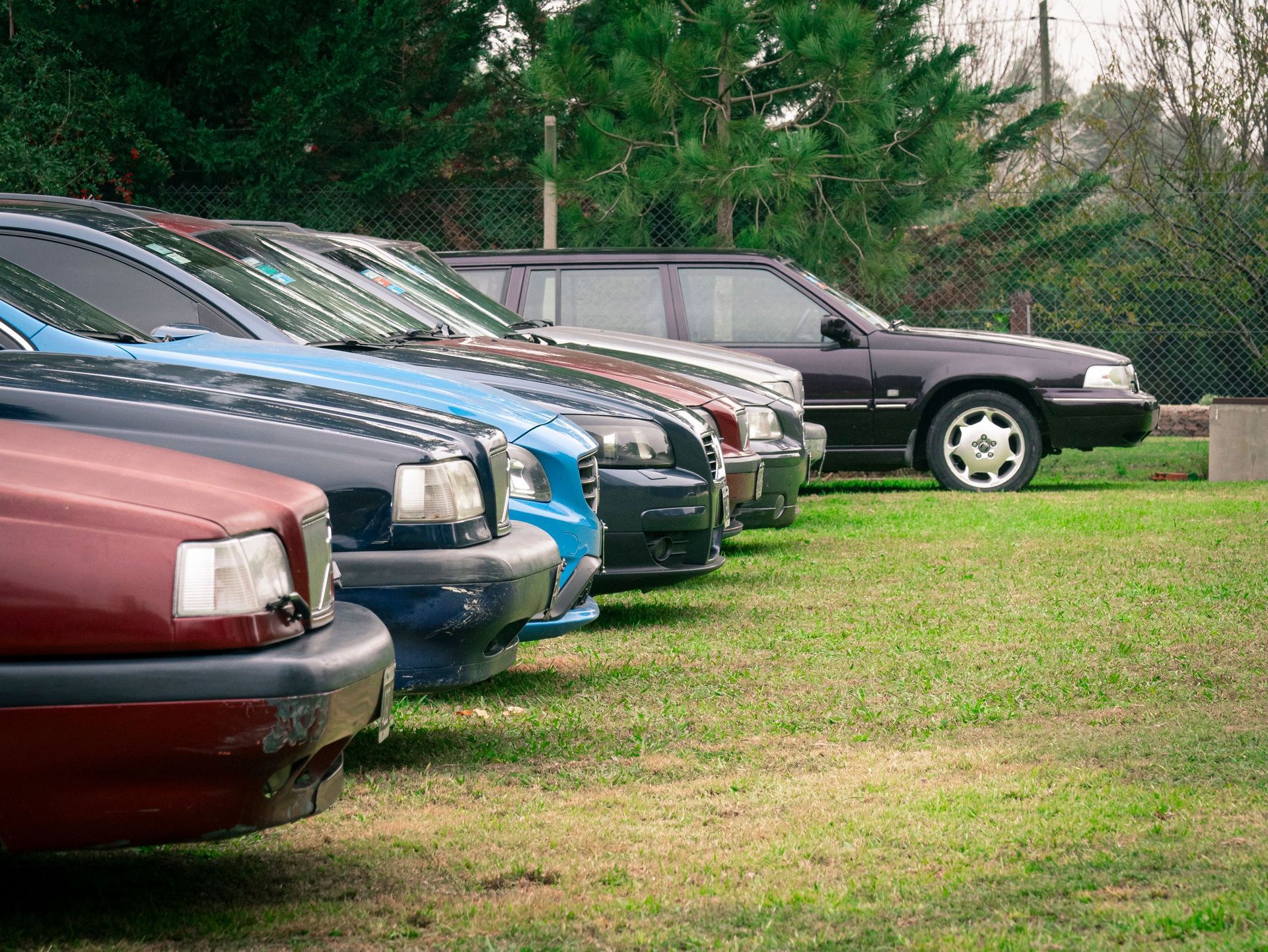
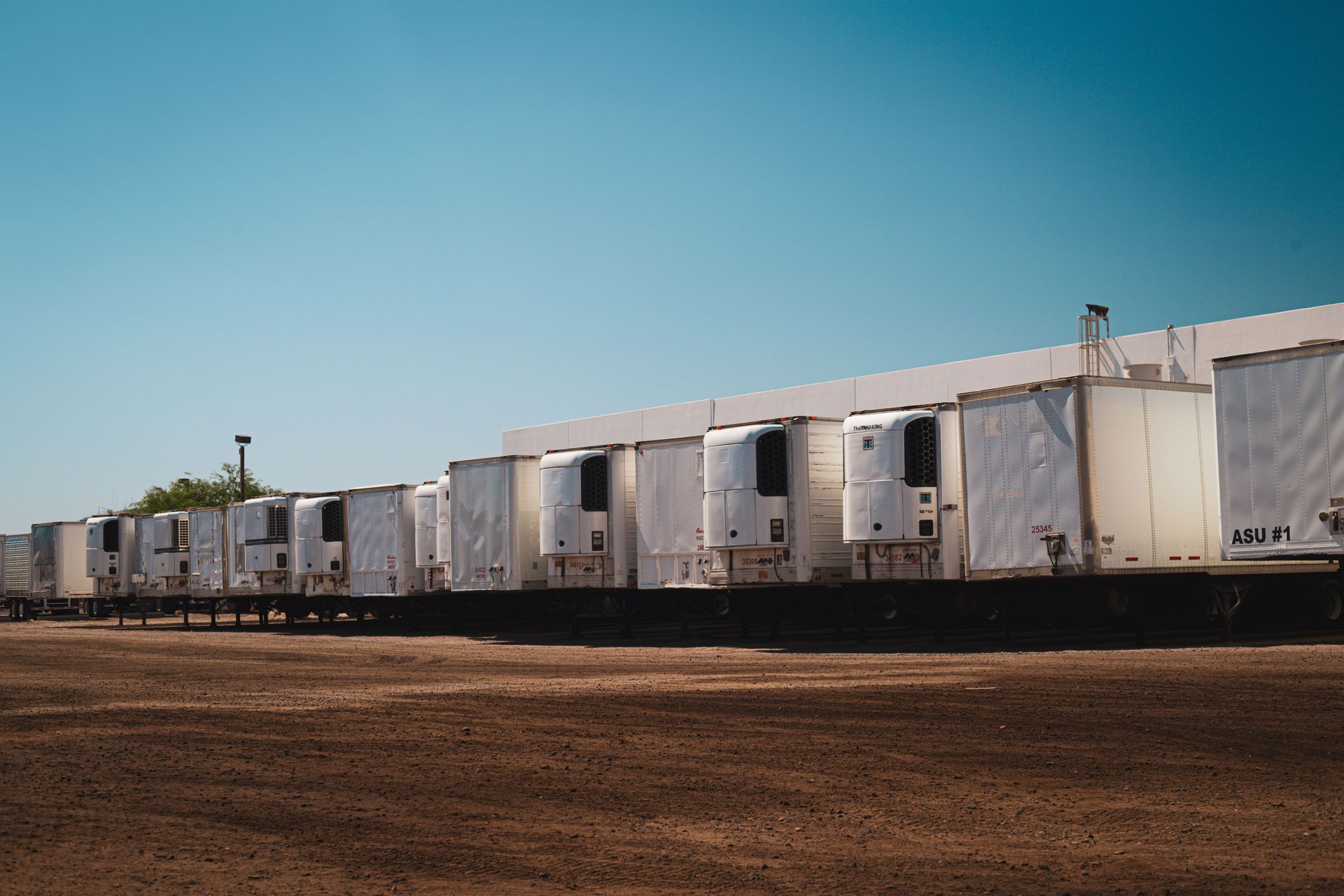
Garagekeepers coverage handles the other half of the exposure: customer vehicles sitting in your yard or storage lot, off the hook and off the road, but still not yours. A car that gets vandalized, damaged by weather, or hit by another vehicle while parked at the lot falls outside both liability and on-hook coverage.
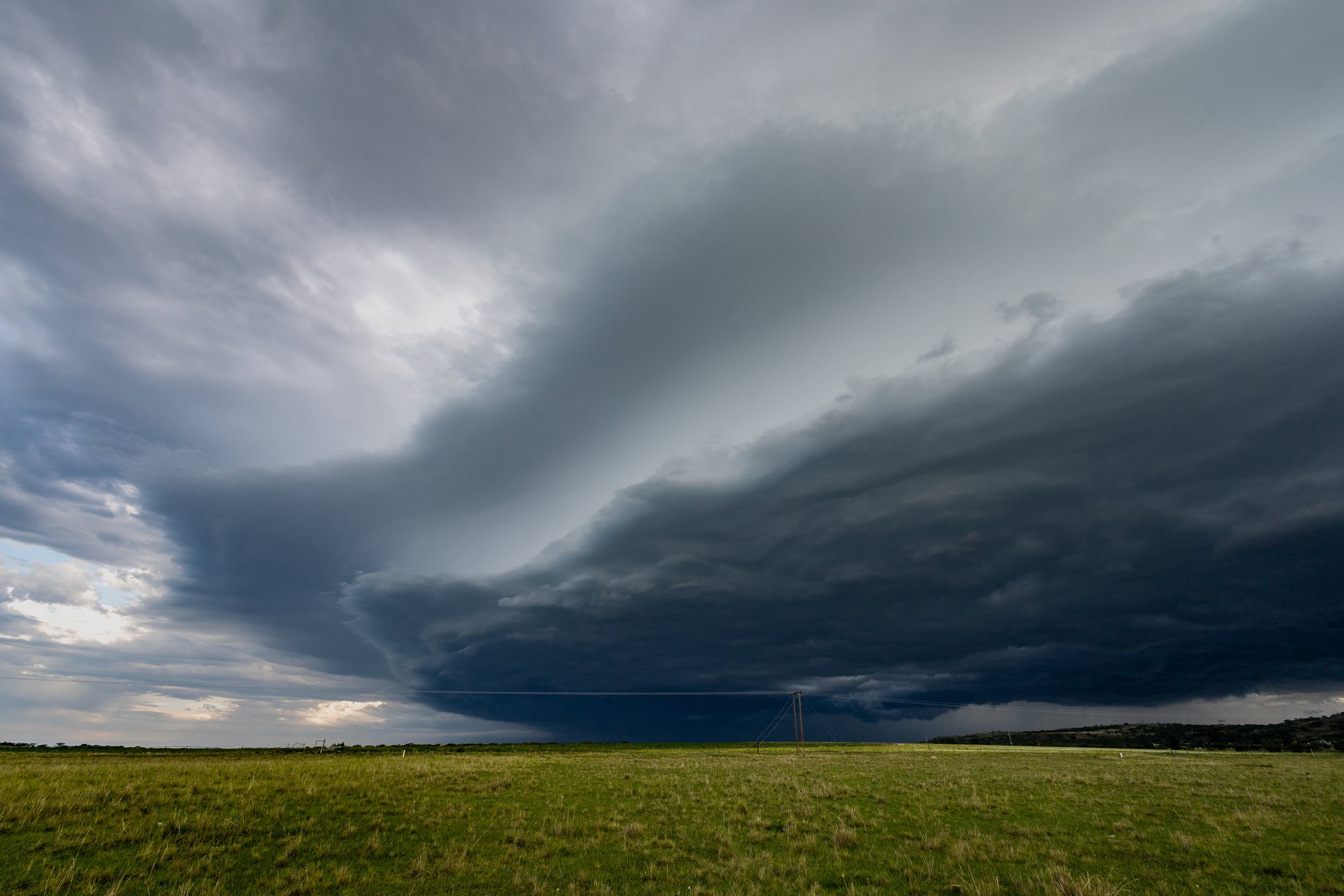
Hail is a real North Texas risk here, and a yard full of vehicles waiting on paperwork or a lienholder release is an expensive thing to have sitting outside during a spring storm. Garagekeepers is the piece written for exactly that scenario.
Any operator who stores vehicles even temporarily carries this exposure, whether they've priced it or not. It doesn't take long-term storage to matter; a car sitting in the yard overnight waiting on an owner to show up is enough exposure for a bad hailstorm to turn into a real claim.
Legal liability vs direct primary, the fine print that decides claims
This is the detail that decides how a claim actually plays out. A legal liability version of either coverage only pays if the operator is found negligent, meaning someone has to prove you did something wrong before it pays at all.
That can mean weeks of back-and-forth while a customer is left without a vehicle and without answers. A direct primary version pays regardless of fault, the same way your own
commercial vehicle insurance protects your own truck; it responds because the loss happened, not because someone proved whose fault it was.
Customers and rotation programs generally prefer direct primary for the obvious reason. Nobody wants to prove negligence before getting their car fixed, and neither do you when a customer is asking hard questions the same afternoon, sometimes standing right there in your office.
It's worth confirming which version is actually written into your policy rather than assuming. The coverage names can look nearly identical on a summary page while working very differently in an actual claim.
What Texas tow contracts and police rotations require
Police rotation lists and private-property or consent-tow contracts typically set minimum coverage limits before they'll add an operator, and those limits vary by jurisdiction rather than following one statewide number. Many also want proof in hand: a
certificate of insurance naming the municipality or property owner specifically, not just a generic copy of your declarations page.
Rotation programs tend to check that coverage is still active periodically, not just at sign-up, so a lapse or a change in carriers can put a slot at risk if it isn't caught and re-certified quickly. Getting that certificate turned around fast is often what keeps a rotation slot or a property contract active.
Separately, Texas requires tow operators and vehicle storage facilities to carry a
surety bond as part of their state licensing, on top of whatever insurance the contract calls for. It's worth knowing ahead of time how fast your agent can produce both documents; a slot lost over a slow paperwork turnaround is a frustrating way to lose recurring work that took real time to earn.
Building the package without paying for overlap
The right move is sizing both coverages to the real numbers: how many vehicles are typically on a hook at once, how many sit in the yard at peak, and their realistic values rather than a generic guess. A two-truck operation like Luis's has a fairly predictable on-hook exposure, rarely more than two vehicles in transit at once.
The yard number can spike during storm season or after a stretch of consent tows waiting on lienholder paperwork, so it's worth pricing the yard limit for the busy weeks, not the average ones. Overlapping coverage that pays twice for the same risk is money spent without buying anything extra.
A package built around your actual operation, not a generic limit, is what keeps the cost matched to the exposure. Luis added both after the strap failure, sized to what his two trucks and his yard actually carry on a typical week rather than a one-size number pulled off a rate sheet.
Call (800) 666-2254 — or text QUOTE to (817) 646-6700 · tapinsuretx.com
Educational only; coverages and availability vary by carrier. TAP Insurance Agency, PLLC — Rhome, TX, licensed in Texas and Oklahoma.