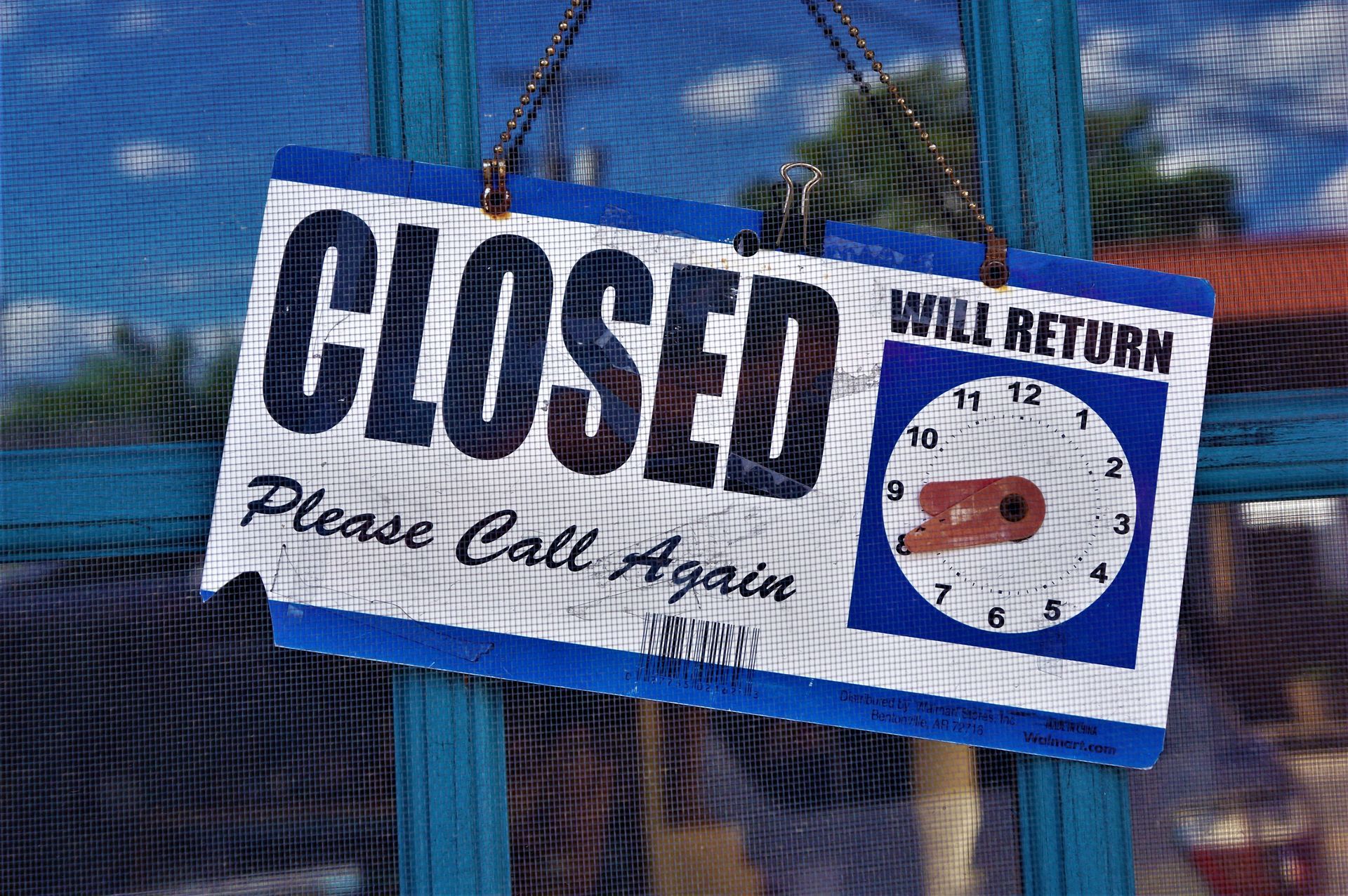
A hailstorm tore through a strip center outside Denton last spring and took the roof off a small restaurant on the end unit. The building itself was repairable, and the property claim moved along the way property claims usually do. What caught the owner off guard was everything else that kept happening while the doors stayed closed for ten weeks: rent on the space, payroll for staff she wanted to keep, a small business loan payment that did not pause just because the kitchen was gutted. The building coverage never stopped being enough. It was the lost income in between that nearly sank the business.
That gap has a name, and a lot of Texas small business owners carry the coverage that fills it without ever realizing what it actually does until the week they need it.
What business income coverage actually pays for
Business income coverage, sometimes called business interruption coverage, replaces the net income a business would have earned and pays the normal operating expenses that continue even while the doors are closed, following a covered property loss like the hailstorm above, a fire, or wind damage to the building. It is not a flat number picked in advance. Most policies measure it as the actual loss the business sustains during the time it takes to repair or replace the damaged property and get operations back to where they were.
That distinction matters. A business with strong sales the month before a loss recovers a larger number than a business that was already slow, because the coverage is built to replace what would genuinely have been earned, not to hand out a windfall.
Where this coverage usually lives
Most small businesses already carry some version of this coverage without a separate policy for it, because it is typically bundled inside a
Business Owner's Policy alongside general liability and property coverage. The real question is rarely whether the coverage exists. It is whether the limit and the time period attached to it match how long a genuine closure would actually last for that specific business.
A limit sized for a two-week disruption does very little for a business that needs ten weeks to rebuild a kitchen, order specialized equipment, and get health department sign-off to reopen. This is exactly the kind of gap that does not show up until the middle of a claim, when it is too late to fix it.
The waiting period most owners do not know is there
Many business income forms build in a waiting period, commonly 72 hours, before coverage begins. A short closure that resolves inside that window may not trigger a payout at all, even though real income was lost during it. Understanding that waiting period ahead of time changes how a business owner thinks about cash reserves for the first few days of any covered closure, rather than assuming coverage picks up the moment the doors close.
Extra expense: paying to keep operating instead of just waiting
A related piece of coverage, extra expense, pays for the reasonable costs of keeping the business running somewhere else, or in a limited way, while the primary location is out of commission. A restaurant renting a temporary kitchen, a retailer setting up a pop-up location, an office relocating staff to a co-working space for a few weeks. Extra expense coverage exists because sometimes spending money to stay open costs less, and preserves more of the customer base, than simply waiting out the repair.
Civil authority: when the closure is not even about your building
Civil authority coverage responds when a business cannot operate because a government order restricts access to the area, not because the building itself was damaged. A stretch of road closed after a storm, a evacuation order ahead of severe weather, an area cordoned off after a nearby incident. Losses tied to this kind of order can qualify for a period of business income coverage even though the building sits untouched, which surprises a lot of owners who assume the coverage only responds to direct physical damage to their own property.
Where payroll obligations complicate a shutdown
Texas is the only state where private employers can choose not to carry workers' compensation, and that decision shapes what a business owner is actually on the hook for during any shutdown, storm-related or otherwise. We covered the tradeoffs of that choice in our guide to
workers comp in Texas, and the connection to business income coverage is direct: whatever payroll commitments a business intends to honor during a closure, whether required by a workers comp claim or simply a decision to keep good staff paid while the building is repaired, that ongoing payroll is exactly the kind of continuing expense business income coverage is meant to fund.
Why underinsuring this coverage costs more than people expect
A business that has never had to use this coverage has no real feedback on whether the limit is actually adequate, which is precisely how the gap goes unnoticed for years. We have written more generally about
the hidden cost of being underinsured for a Texas small business, and business income limits are one of the most common places that underinsurance hides, because the number was set once at startup and never revisited as revenue grew.
A policy review that walks through how long a real closure would actually take, not the fastest-case scenario, is worth doing before a storm forces the question.
Getting the limit right before you need it
The honest way to size this coverage is to work backward from a real closure timeline. How long would it realistically take to repair the space, replace specialized equipment, and reopen with the right permits and inspections in hand. That number, not a guess made years ago, should drive both the limit and the coverage period attached to it.
If you are not sure whether your current policy's business income limit would actually carry your business through a real closure, that is worth a direct conversation with TAP Insurance Agency rather than an assumption.
Call (800) 666-2254 — or text QUOTE to (817) 646-6700 · tapinsuretx.com