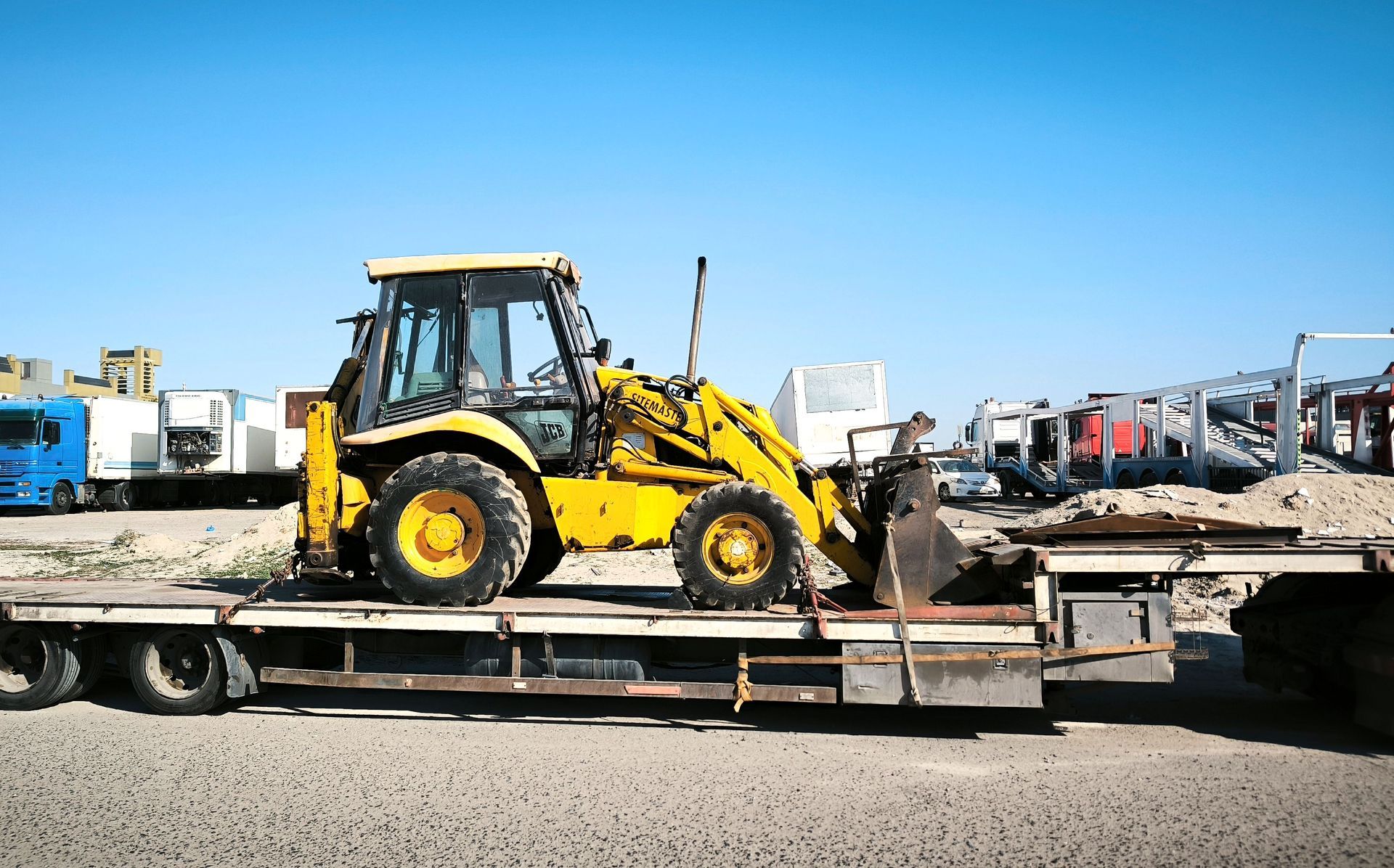
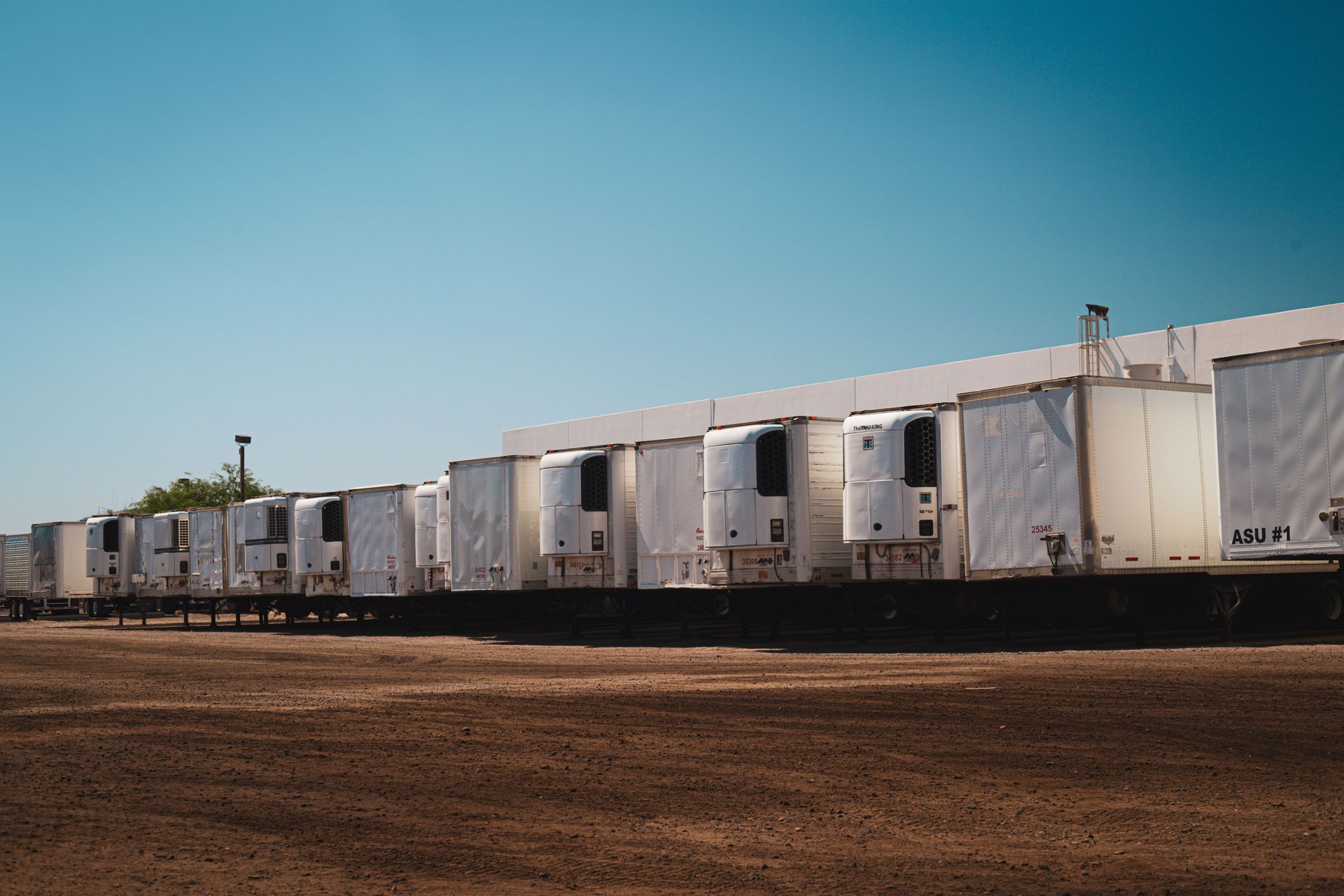
A hotshot operator came to us this month with a one-ton dually and a flatbed gooseneck, confident his rig was a non-CDL Class A setup. He had already done the math off the paperwork: an 11,040-pound truck and a 14,960-pound trailer, adding up to 26,000 pounds — one pound under the CDL line. Before we could confirm anything on the file, we asked for one thing first: a clear photo of the trailer's actual certification plate. That single photo is what decided the file.
Texas follows the federal rule: a driver needs a Class A CDL when the gross combination weight rating hits 26,001 pounds or more and the towed unit's own rating exceeds 10,000 pounds. Both conditions must be true. That number comes from the manufacturer's certification plate, not the vehicle's actual weight on a given day.
GVWR and GCWR are not the same number
Three weight figures get used interchangeably around a truck stop, and only two of them are actual ratings with legal weight behind them.
Gross vehicle weight rating (GVWR). The manufacturer's maximum loaded weight for one unit — the truck by itself, or the trailer by itself — stamped on that unit's own certification plate. A trailer's GVWR does not change based on what it gets hitched to.
Gross combination weight rating (GCWR). The manufacturer's published rating for a specific tow vehicle pulling a trailer, reflecting what the frame, hitch, brakes and cooling system are actually engineered to pull. It is often higher than simply adding the truck's GVWR to the trailer's GVWR, because it accounts for how the two are designed to work together.
The combined-rating rule. Federal CDL rules look for GCWR first. Only when the manufacturer has not published a GCWR for that truck does the fallback apply — the sum of the power unit's GVWR and the towed unit's GVWR becomes the number that decides the license class.
Actual scaled weight. What the rig weighs, loaded, on a certified scale today. It matters for overweight citations and permits, but it does not decide licensing class — a combination rated at 26,001 pounds needs a Class A CDL whether the driver is running empty or loaded to the rail. We've covered
exactly what happens once a rig crosses that CDL line in more detail separately.
The file that came down to one pound
The truck's certification plate matched expectations — 11,040 pounds GVWR, straight off the manufacturer's own spec sheet. The trailer was the complication. The client had always called it by one manufacturer's name, the name that appeared on the bill of sale. When the trailer's VIN got decoded the way a commercial auto carrier does it during underwriting, it came back to a different manufacturer entirely — a common outcome once a trailer changes hands, gets re-branded, or gets sold under a dealer's own name rather than the builder who actually stamped the plate.
That mismatch mattered, because the 14,960-pound figure the client was counting on had come from the paperwork, not from the plate itself. Two different manufacturers building a similar-looking 40-foot gooseneck can rate it differently by a few hundred pounds in either direction. Until we had a clear photo of the actual certification plate riveted to the trailer's frame rail, nobody could confirm the file was really 26,000 pounds rather than 26,300 or 25,700. One pound decided which side of the CDL line the combination landed on, and the only number that could settle it was the one stamped on metal, not the one typed into a listing.
Why the certification plate beats the listing every time
On a truck, the certification plate sits in the driver's door jamb. On a gooseneck or bumper-pull trailer, it is usually riveted to the tongue or the front section of the frame rail, often under enough road grime that it has to be wiped clean to read. Whatever a bill of sale, a classified listing, or a dealer's spec sheet says is a starting point, never the answer. A carrier underwriting a commercial auto or motor truck cargo policy is going to ask the same question Texas DPS asks at a scale house: what does the plate say, not what does the paperwork say.
Gooseneck rigs trip people up here in particular. A gooseneck's tongue weight and deck length make it look like it should carry a higher rating than a comparable bumper-pull, and sometimes it does — but the plate is the only way to know, not the trailer's size on the lot or its general reputation among other haulers.
What changes at 10,001 pounds for FMCSA purposes
26,001 pounds is not the only number that matters, and it is not the first one that applies. FMCSA defines a commercial motor vehicle, for interstate operations, as one with a GVWR or GCWR of 10,001 pounds or more. Cross that line hauling for hire across state lines and FMCSA's rulebook applies to you long before you are anywhere near needing a CDL — a USDOT number, hours-of-service recordkeeping, and driver qualification files all follow from that threshold, not from 26,001. Getting a USDOT number, an MC number, and a Unified Carrier Registration filing in place is its own process — we've covered
what a brand-new owner-operator runs into before anyone will quote the first policy.
That is the split people miss: 10,001 pounds triggers federal motor carrier regulation. 26,001 pounds, combined with a towed unit over 10,000, triggers the CDL requirement. A hotshot rig can be well past the first line and still legally run on a standard Class C license, so long as the combination stays under the second one — which is exactly why the GVWR and GCWR numbers matter twice over, not once.
Two different lines, two different consequences
Interstate versus intrastate changes which rulebook applies in the first place. Haul freight for pay across the Red River or the Sabine and you are operating in interstate commerce under FMCSA authority. Stay entirely inside Texas hauling under a TxDMV motor carrier registration, and a narrower set of state rules can apply instead. Texas DPS enforces both at the scale house, and a trooper checking your paperwork is going to ask which authority you are running under before anything else.
None of this changes what the certification plate says. A trailer's GVWR is the same number whether it is crossing into Oklahoma or staying on a farm-to-market road in Wise County. What changes is which set of federal or state rules gets layered on top of the weight-rating math once you know the answer.
Get the numbers right before you insure the rig
Every one of these numbers eventually lands on an insurance application. A motor carrier underwriter asks for GVWR and GCWR for the same reason Texas DPS does — a policy written against the wrong weight class can leave a real gap in coverage, or complicate a claim if a loss happens on a combination nobody disclosed correctly. Photographing the certification plate and confirming the ratings before binding coverage is a five-minute step that heads off a much longer conversation later.
If you are not sure whether your truck and trailer combination is a non-CDL Class A rig or something that actually needs a Class A license, or you just want your GVWR and GCWR numbers checked against what a carrier is going to ask for, that is exactly the kind of question worth sorting before you are standing at a scale house finding out the hard way. Once your weight ratings and your operating authority are both squared away, the coverage side gets a lot simpler — we've laid out
how hotshot insurance in Texas actually gets built once you're at that point.
Call (800) 666-2254 — or text QUOTE to (817) 646-6700 · tapinsuretx.com
Educational only; coverages and availability vary by carrier. TAP Insurance Agency, PLLC — Rhome, TX, licensed in Texas and Oklahoma.