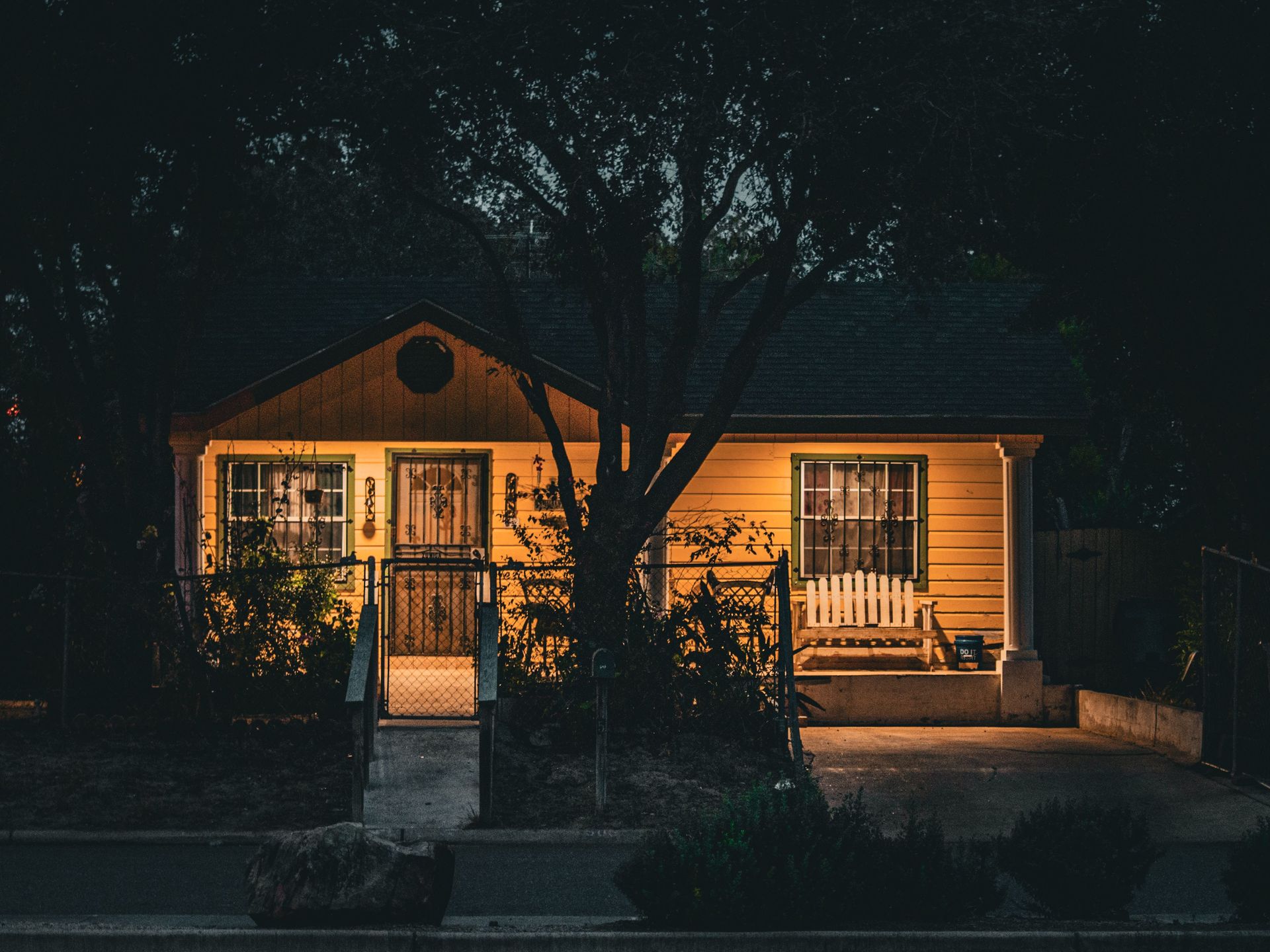
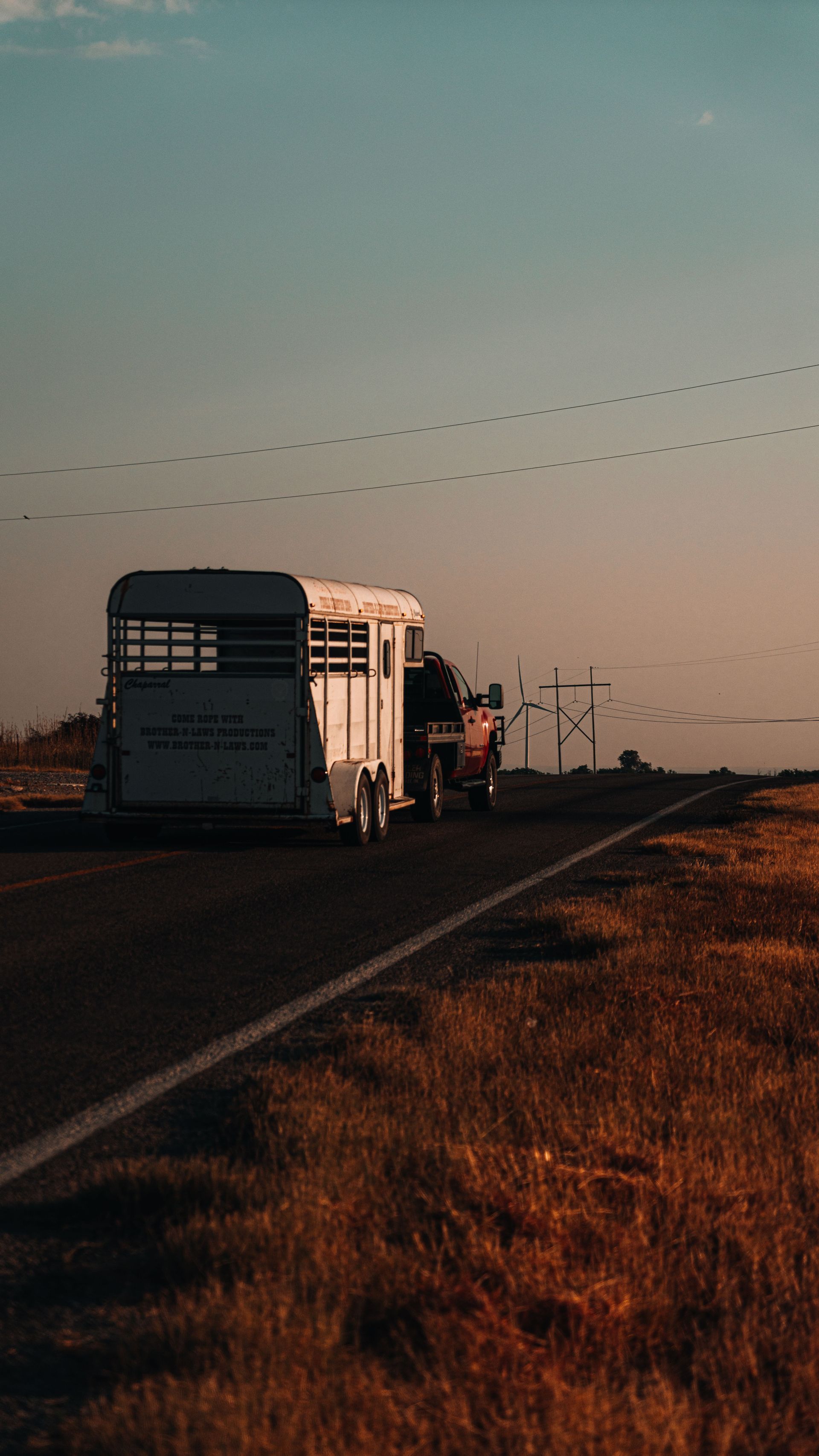
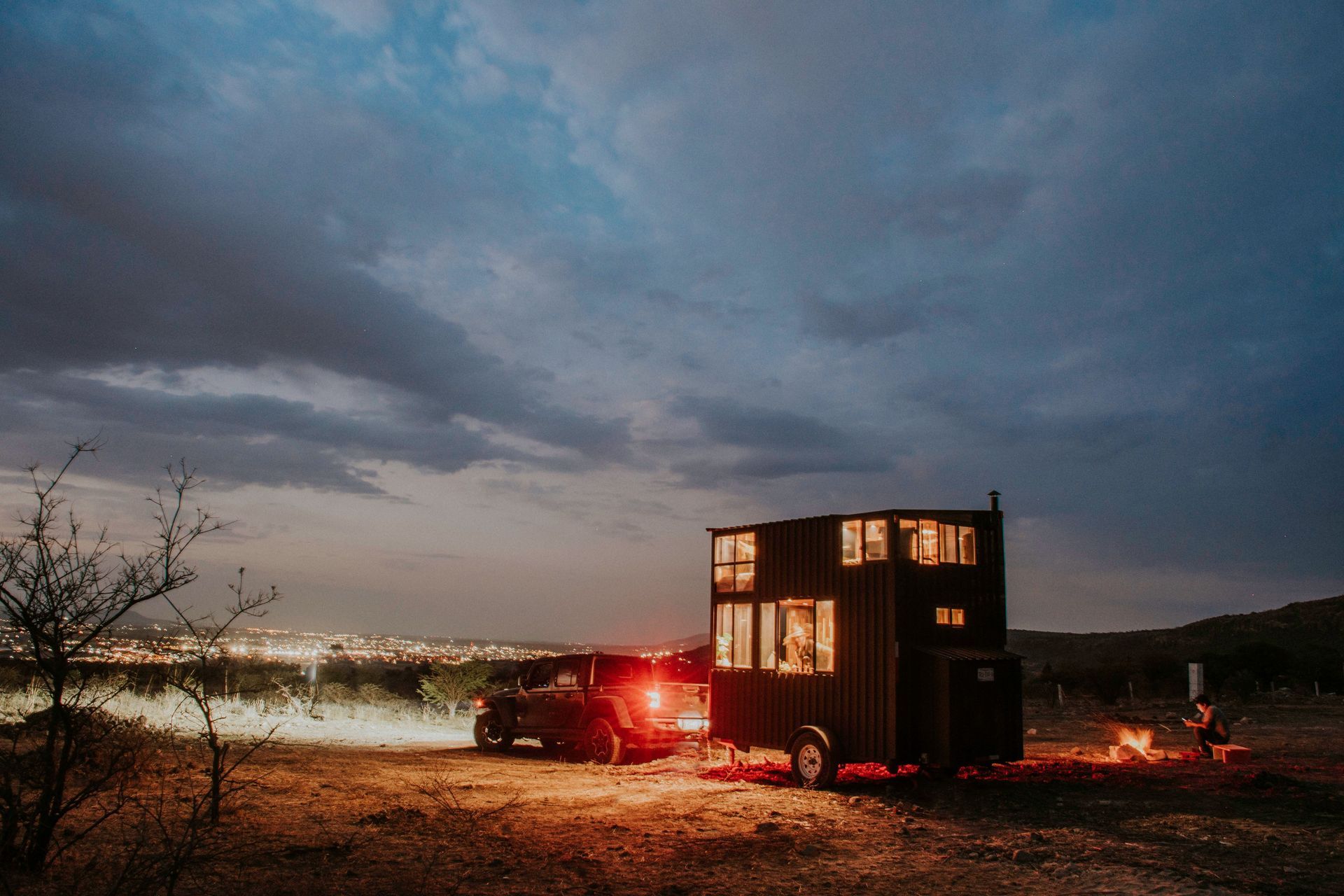
A homeowner two counties in from the Gulf found a like-new park model for sale on a leased pad, set on concrete piers with the wheels already gone, priced right and move-in ready. The listing called it a “tiny home.” When the buyer called around for windstorm coverage, three different agents gave three different answers, and none of them matched what the state's own building-code regulator eventually said in writing.
No. An ANSI A119.5 park model is built to a recreational-vehicle standard, not the Texas building code a WPI-8 certificate requires, so the Texas Department of Insurance cannot issue one on it. Without a WPI-8 on file, the Texas Windstorm Insurance Association will not write wind and hail on that dwelling, in any of the 14 coastal counties.
Four labels, one very different insurance answer
Nearly every mix-up on this topic starts with the same habit: calling a small factory-built home by whichever of these four words sounds closest, when only one of them is an actual building classification a Texas regulator will certify.
ANSI A119.5 park model RV. Built to a recreational-vehicle manufacturing standard set by the RV Industry Association, capped at 400 square feet, and typically carrying an RVIA or NTA label rather than anything tied to a building code. It is titled and sold as an RV even after the axles come off and it sits on piers for good. This is the classification that cannot reach TWIA, because there is no building code for TDI to certify it against.
HUD-label manufactured home. Built to the federal HUD Code that has governed factory-built housing nationwide since June 1976, identified by a red metal HUD tag and a data plate inside the home. This is the classification that
can qualify for a windstorm certificate, through its own tie-down inspection rather than the WPI-8 path.
Modular or industrialized housing. Built in sections at a factory, then trucked to the site and assembled on a permanent foundation to the same state and local building code a site-built home follows. Once it is anchored, it is treated like any other site-built dwelling for certification purposes.
“Tiny home.” Not a building classification at all — a marketing word describing size, nothing more. A tiny home can be built to ANSI A119.5, to the HUD Code, or to a modular building code, depending entirely on how the builder chose to construct it. That is exactly why searching for “tiny home insurance” produces a different, and often wrong, answer than asking what the unit is actually titled and built as. We've written separately about
how tiny homes and park models get sorted into homeowners, RV, or mobile home coverage in the first place, before windstorm even enters the picture.
Why the label decides whether a windstorm certificate is even possible
Texas requires a WPI-8 or WPI-8E certificate on file with TDI before TWIA will insure wind and hail on a dwelling inside its designated catastrophe area — the 14 first-tier coastal counties, Matagorda among them, plus a defined slice of Harris County. No certificate, no TWIA wind on that structure. That single requirement is the whole gate, and it applies before price, before deductible, before anything else about the property.
A WPI-8 certifies that a structure meets the windstorm provisions of the Texas building code TDI enforces in the catastrophe area. An ANSI A119.5 park model was never built to that code — it was built to a recreational-vehicle standard written for towing and road use, not for a permanently sited dwelling in a hurricane zone. TDI has no code section to measure the unit against, so there is nothing for a windstorm inspector to certify compliance with, no matter how well the unit is anchored or how new it is.
What a WPI-8 certificate actually certifies
For a completed, site-built structure, the path runs through a WPI-2E windstorm inspection, performed by a TDI-appointed qualified inspector or a licensed Texas professional engineer, with the results submitted to TDI to produce the WPI-8E. A HUD-label manufactured home follows a related but separate route — a tie-down inspection on its own form, checking anchoring against the HUD wind zone the home was built for. Both paths end the same way: a certificate on file with TDI that TWIA will accept.
A park model has neither path available to it. It is not a completed structure built to the state building code the WPI-2E measures against, and it is not a HUD-label home eligible for the tie-down inspection either. It falls into the gap between the two forms TDI actually issues, which is exactly why a windstorm inspector or an agent unfamiliar with the distinction will sometimes say “get a WPI-8” as if it were simply a matter of scheduling one. The HUD-label side of that comparison has its own paperwork trail worth understanding — we've covered
what the HUD tag, data plate, and foundation documents decide for a Texas manufactured home in more detail separately.
What TAP got from TDI in writing, on a real coastal file
Rather than guess, TAP put the question directly to TDI's own windstorm division on a live coastal file: could a certificate of compliance be issued on an ANSI A119.5 park model at that address. TDI's written reply was short and direct — the unit does not meet TDI's building code, and it would not be eligible for a certificate. Not delayed. Not pending further paperwork. Not eligible.
With no WPI-8 possible, TWIA was closed on the dwelling, permanently rather than pending on some future inspection. The practical result on that file: the dwelling had to be quoted ex-wind, meaning without windstorm and hail coverage built into the property policy at all. Flood coverage was placed on its own separate policy, as it always has to be regardless of the wind answer. And the market search narrowed down to a single surplus-lines carrier willing to insure the structure itself without requiring a certificate it could never produce.
What happens to the dwelling once TWIA is closed
An ex-wind property policy insures fire, liability, and the other standard perils while excluding wind and hail entirely, often written on a DP-3 dwelling fire form rather than a standard homeowners form once a structure falls outside typical underwriting guidelines. It is a real, in-force policy — it simply leaves one specific peril out, by endorsement, in writing, so everyone involved understands exactly what is and is not covered.
The Texas FAIR Plan is a separate residual market, and it is not a substitute here: FAIR Plan policies inside the same catastrophe area exclude windstorm and hail too, for the identical reason TWIA requires a certificate the FAIR Plan can't get around either. Flood is its own separate question in every case, certificate or no certificate, placed either through the NFIP or a private flood market, because no dwelling, homeowners, or wind-excluded policy in Texas ever includes flood by default.
What to confirm before you buy or insure a park model near the coast
Ask what the unit is titled and labeled as, not what the listing calls it. A certificate of title and an RVIA or NTA label point to a park model. A HUD tag and data plate point to a manufactured home with an actual windstorm path available.
Ask an agent whether wind is available before you fall in love with the property. On a park model inside the coastal catastrophe area, the honest answer may be that no standard market will include wind at all, and that is worth knowing before closing, not after.
Get the flood question settled separately. Flood coverage does not depend on the windstorm certificate question, and it should never be the thing that gets forgotten while the wind conversation runs long.
If you are trying to sort out what a park model, a manufactured home, or a modular structure near the Texas coast can actually qualify for, that conversation is worth having before you sign anything, not after a carrier has already said no. TAP Insurance Agency works this exact classification question on real coastal files, and we would rather tell you the honest answer up front than let you find out from a declination letter. We've laid out how manufactured and mobile home coverage gets shopped across carriers in Texas
once the classification question is settled. Coverage terms, eligibility, and windstorm certification requirements vary by property and by carrier, and nothing here changes what TDI, TWIA, or an actual policy says in writing.
Call (800) 666-2254 — or text QUOTE to (817) 646-6700 · tapinsuretx.com
Educational only; coverages and availability vary by carrier. TAP Insurance Agency, PLLC — Rhome, TX, licensed in Texas and Oklahoma.