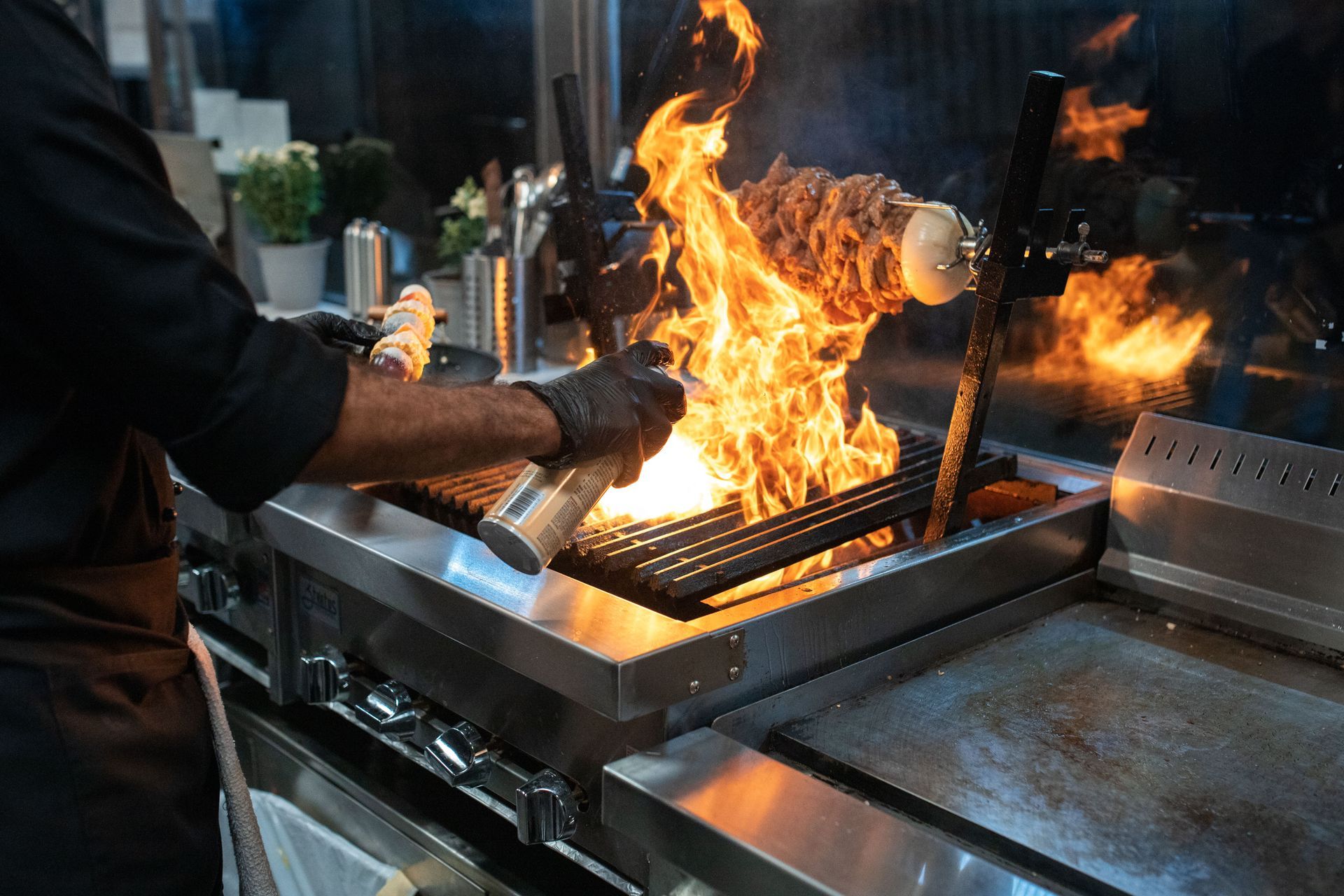
Marisol runs a birria trailer out of Fort Worth, parking most weeks at a regular lunch spot and picking up the occasional private event. Her setup runs a propane-fired flat-top and two fryers off the trailer's built-in tanks, plus a gas generator she tows behind the truck to power the lights, the register, and a small reach-in cooler.
When a fall festival in Denton accepted her vendor application, the acceptance email came with an attachment she had not expected: an insurance requirements sheet, due in ten days. She had already sorted a truck loan and a health permit, the kind that varies by county and city in Texas — but nobody had explained what a festival wants on a certificate of insurance before load-in.
One rig, three kinds of risk
A food truck or concession trailer is not one insurable thing — it is three risks riding together in a single rig.
The vehicle. The truck or trailer itself needs auto coverage, and it is often financed, which means a lender has its own interest in seeing that coverage stay current.
The operation. Everything that happens once the window opens falls under general liability: a customer slipping near the line, a burn from hot oil, a bad reaction to something on the menu.
The equipment. What is inside the rig — the flat-top, the fryers, the generator, the walk-in, the trailer's own structure — needs property coverage against fire, theft, and breakdown.
Most vendors think hard about one of the three, usually the vehicle, since that is the piece with a loan payment attached, and assume the other two are covered somewhere. They usually are not.
A business owners policy
is often the cleanest way to bundle the liability and property pieces together, with auto handled separately. That single decision — one bundled policy plus one auto policy — is most of what a vendor needs to get right before festival season starts.
The auto policy: driving it vs towing it
The auto piece depends on what kind of rig is running. A self-propelled food truck, driven to the site under its own engine, needs a
commercial auto policy, the same category a delivery van or work truck would carry.
A larger box-truck conversion can also cross into a different weight class. That shift changes how it is rated, worth flagging to an agent rather than assuming standard van pricing applies.
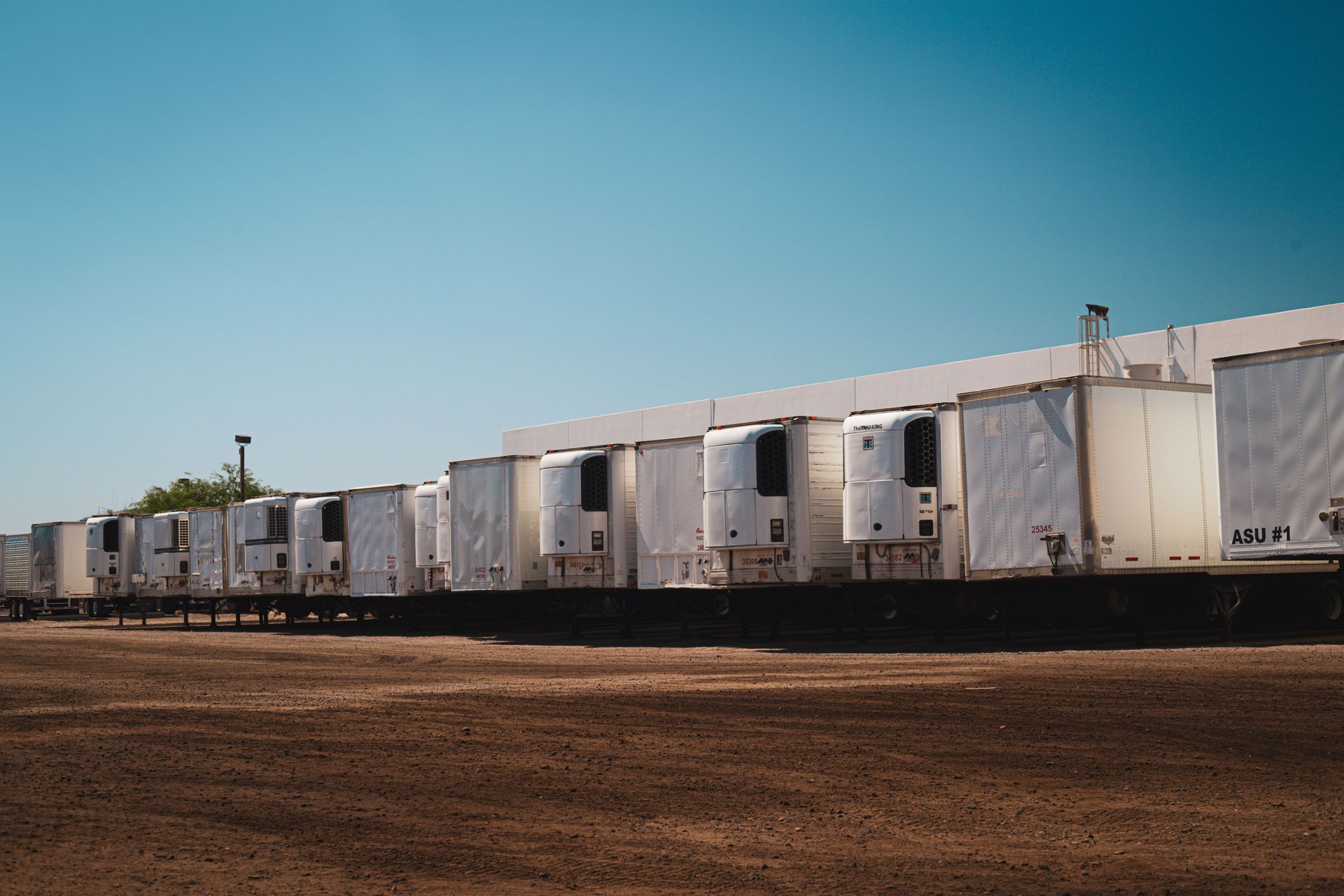
A concession trailer is different. While towed, it generally follows the liability coverage of the vehicle pulling it, but that only protects it in motion, hitched to a truck.
Once it is parked and disconnected on a festival lot for a full weekend, it needs its own physical damage coverage against fire, theft, vandalism, or a wind event. The tow vehicle's policy is not doing anything for it once the hitch comes off.
General liability: the slip, the burn, and the bad taco
General liability is the policy doing the most work at a crowded event. It responds to a customer injury near the setup, property damage the equipment causes to someone else's tent or table, and, importantly for food service, products liability — the piece that covers a claim tied to something someone ate.
A foodborne illness claim is exactly the kind of exposure a fixed restaurant carries too. A mobile vendor serves a different crowd every weekend, though, with no walk-in customer history to fall back on.
Products liability is worth double-checking specifically, rather than assuming it is automatically included. A generic liability form written with a different kind of small business in mind does not always contemplate food and beverage vending the way a policy built for mobile food service does.
That gap tends to show up only after a claim, not before. Anyone who works the window alongside the owner is worth mentioning too:
workers' compensation covers an employee's on-the-job injuries in Texas, and it sits separately from everything else in this stack.
Property and equipment: generators, fryers, and the trailer itself
The equipment inside a food trailer represents real money: fryers, flat-tops, refrigeration, a generator, sometimes a specialty smoker or wood-fired oven. Property coverage protects that equipment, along with food inventory lost to a generator failure or a spoiled cold chain, and the trailer's own structure if it is damaged or stolen.
It is easy to insure the truck and forget the contents, especially for a vendor who built out the kitchen over a few weekends. A generator alone can run into real replacement cost, and it usually sits outside, running and unattended, for hours during a festival.
Propane adds its own layer here. A trailer running gas-fired equipment typically needs a fire suppression system mounted over the cooking line, and local fire marshals inspect for it before issuing a permit — a separate process from insurance, and one that varies by county and city rather than following a single statewide rule.
Carriers underwriting a mobile food operation often ask about propane tank storage and mounting, since an improperly secured tank is a serious exposure. Generators carry their own wrinkle too: one running unattended behind the trailer is both an equipment-breakdown risk and a liability one.
A small child wandering close enough to touch a hot exhaust or trip a fuel line is exactly the kind of claim general liability is built to answer. Some organizers ask vendors to barrier their generator for that reason, worth checking against the requirements sheet.
What festival organizers require before you park
Event organizers have gotten specific about what they want to see before a vendor sets up. A fall festival or fair commonly requires a stated general liability limit and asks to be named as an additional insured — meaning the organizer's own entity is added onto the policy for that event, protected too if something goes wrong at the booth.
Marisol's requirements sheet, once she read it line by line, asked for four things: a stated liability limit, the festival's nonprofit named as additional insured, a certificate issued directly to the event by name, and her food handler's permit number cross-referenced against the city. None of the four was unusual alone.
What made the sheet worth taking seriously was that all four had to land together, by the same due date, or the booth could go to another vendor on the waitlist. Requirements vary from one organizer to the next, so the safest approach is reading each sheet on its own terms rather than assuming last year's list still applies.
Some organizers go a step further and ask for a waiver of subrogation, meaning the insurer agrees not to pursue the organizer even if it shared some responsibility for a loss. These are not unusual requests, and most bundled small-business setups can accommodate them — the trick is having the underlying policy in place before the request lands in an inbox.
Certificates and additional insureds without the last-minute scramble
The requirements sheet Marisol received is a normal part of vending a fall festival circuit, not a red flag specific to Denton. What turns it into a scramble is timing: a certificate naming an additional insured cannot be issued the same day, and a policy that does not exist yet cannot be endorsed overnight.
The fix is simple: send the requirements sheet to an agent as soon as an event accepts you, not the week load-in starts. A festival season with four or five bookings means four or five certificate requests, and a policy already built for that pattern turns each one into a five-minute email instead of a scramble.
It is also worth keeping a running folder, digital or paper, of every certificate issued across a season. A repeat event the following year often asks for the same paperwork again, and last year's version on hand turns the second request into a quick copy instead of a fresh start.
Call (800) 666-2254 — or text QUOTE to (817) 646-6700 · tapinsuretx.com
Educational only; coverages and availability vary by carrier. TAP Insurance Agency, PLLC — Rhome, TX, licensed in Texas and Oklahoma.