The Water Heater You Installed Leaked Into the Ceiling: Insurance for Texas HVAC and Plumbing Contractors
Service trades get sued for the damage their work causes, not the work itself, and the way a policy handles that line decides most HVAC and plumbing claims.
Free quote from TAP Insurance Agency — call (800) 666-2254 or text QUOTE to (817) 646-6700.
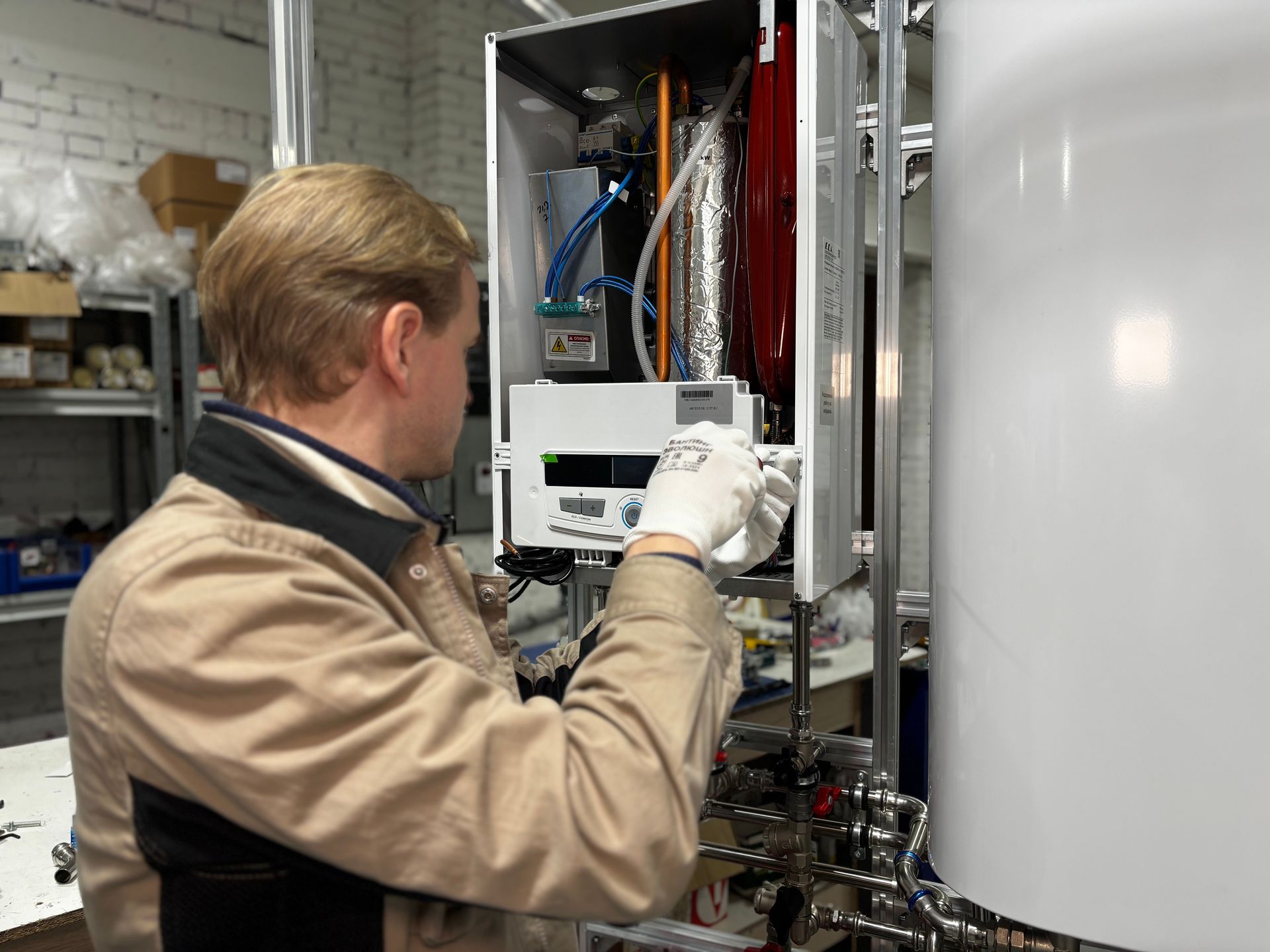
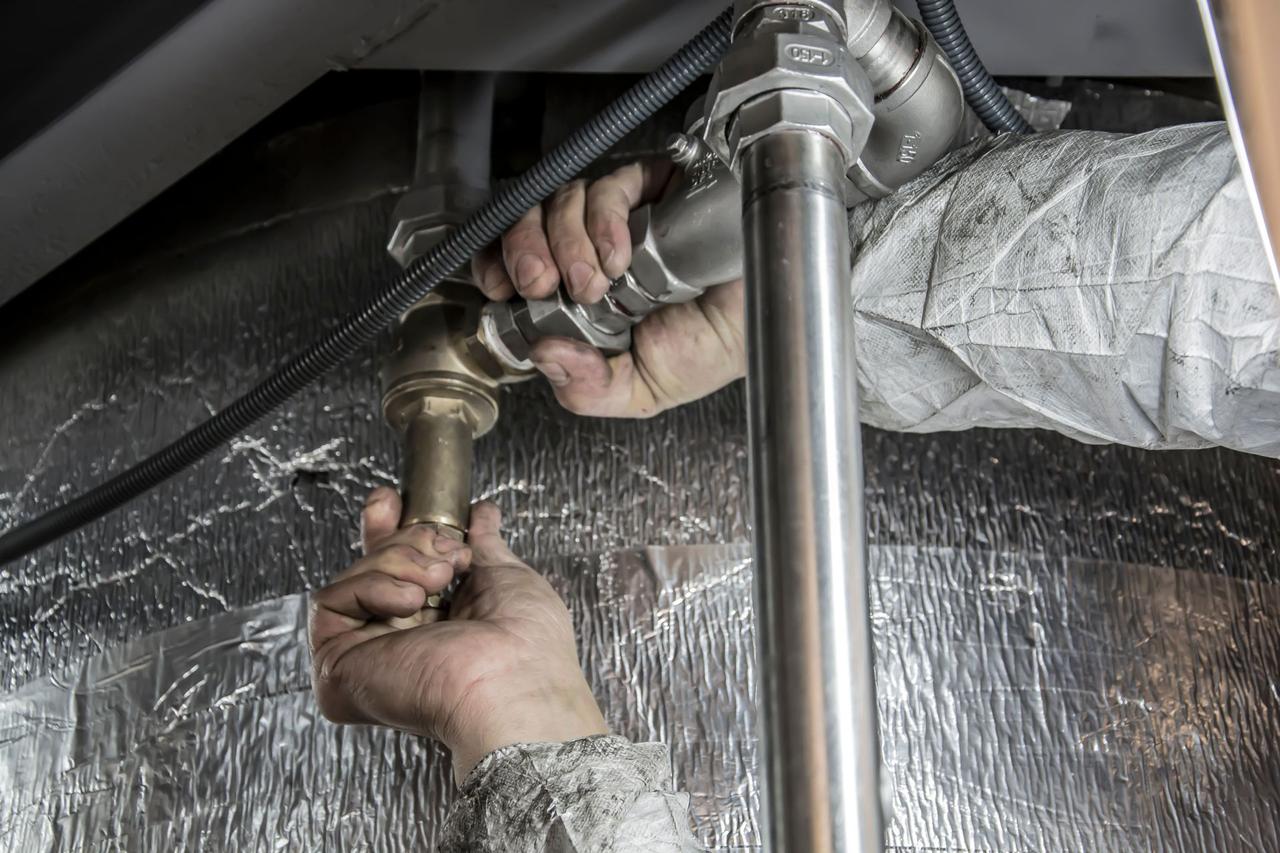
Say a five-van plumbing and HVAC company in Tarrant County replaces a water heater in a two-story home. Three weeks later a fitting gives way overnight, and the homeowner wakes up to water through the dining room ceiling and a ruined floor. The homeowner's insurer pays the claim and then sends a letter to the contractor asking to be repaid.
For service trades, the claim that matters is usually damage your work causes to someone else's property, not the cost of redoing the work. A general liability policy generally responds to the ceiling, the floors and the contents. It often will not pay to replace the faulty fitting or the water heater itself.
The homeowner's insurer paying first and then seeking repayment from the contractor is called subrogation, and it is common. Your policy is what answers that letter, and your insurer may defend you and handle the dispute on your behalf, so it helps to understand what it covers well before it arrives, including what completed operations coverage does after the job is done.
Damage from the work versus the work itself
General liability (GL) covers property damage and bodily injury your work causes to other people. When a fitting fails and water ruins a ceiling, the damaged ceiling, floors and belongings are the kind of loss GL is built for. The cost to redo your own faulty work is generally excluded under what is often called the your-work exclusion.
That split surprises owners. You may still pay to replace the fitting while the policy responds to the water damage downstream. Ask your agent to show you where that line sits in your policy, because wording varies. A short walk through a real claim example with your agent often makes the language click.
Completed operations after the van leaves
A leak three weeks after the job is a completed operations claim, meaning damage that shows up after you have finished and left the site. Many GL policies include it, but some limit or exclude it, and it matters most for trades whose work is hidden in walls and ceilings. Confirm that it is included and how long a claim can follow a job. Some policies also limit it for certain kinds of work, so read the endorsements as well as the main form.
Think about how long your work stays in the building. A water heater can fail years later, and a contract that reaches that far deserves a policy that does too. Keep job records so you can show what was installed and when, including photos, permits and invoices where you have them.
Water, mold and the exclusions to read
Read the exclusions before a claim does it for you. Many policies limit or exclude mold and fungi, pollution (which can include refrigerant releases or sewage backups) and certain water damage on plumbing work. Some policies also limit damage tied to subsidence, or land movement under a home.
You can often ask for limited mold or pollution coverage added back, depending on the carrier, and the limits are usually lower than the main policy. HVAC work brings fire risk from wiring and heat sources, so ask how fire caused by your installation is treated. Exclusions vary a lot between policies, so please do not assume your last policy read the same way, and an agent can compare the wording line by line. It also helps to ask which exclusions are standard on a form and which were added for your trade.
Service vans and the employees driving them
Your vans need commercial auto coverage, because a personal auto policy may not respond to a vehicle used for business. How the policy decides which vehicles are covered depends on the covered auto symbols on a commercial auto policy, so check which symbol your policy uses. Employees who drive their own vehicles to jobs create another exposure that many owners overlook. Ask whether your policy covers a technician who is driving a personal pickup to a job site, because that situation is more common than owners expect.
If technicians use personal trucks for work, ask about hired and non-owned auto coverage. Some carriers also offer telematics programs that track driving habits, which may help you manage risk in a larger fleet. Coverage details vary, so confirm what applies to your trucks and your drivers.
Tools, equipment and parts on the truck
Tools, diagnostic gear and parts are not covered by GL or auto liability. An inland marine policy or installation floater is the usual way to cover them, including equipment on a truck or sitting at a job. Theft from vans overnight is a common loss for service companies, so read the conditions that apply to locked vehicles.
Equipment breakdown insurance is a different product that covers machinery failing, not tools being stolen. Ask your agent which one fits and how the inventory limit is set. Keep a running list of your tools and the parts you stock, since a documented inventory makes a theft claim much easier to support.
Licensing, contracts and the certificate request
Do licensing rules require insurance? Texas plumbers are licensed through TSBPE (the Texas State Board of Plumbing Examiners) and air conditioning contractors through TDLR, and state licensing rules may require proof of liability insurance. Confirm the current requirements with the regulator.
What do contracts ask for? Many customers and general contractors require additional insured status and a waiver of subrogation. Send the contract to your agent before you sign it, since some carriers charge for or limit those endorsements.
Who asks for a certificate? Customers routinely request a certificate of insurance. Ask your agent how quickly it can be issued, and whether you can request one yourself online.
What about workers' compensation? Many commercial customers require it, even where the law does not. Check the Division of Workers' Compensation and your contracts, and ask your agent how coverage works for your crew and any subcontractors.
TAP Insurance Agency is an independent agency that shops multiple markets, so we can compare general liability, auto and tools coverage for a service company side by side. When you are ready, you can request a business insurance quote and bring along a sample contract.
Educational only; coverages and availability vary by carrier. TAP Insurance Agency, PLLC — Rhome, TX, licensed in Texas and Oklahoma.
— TAP Insurance Agency · Call (800) 666-2254 — or text QUOTE to (817) 646-6700 · tapinsuretx.com