The Limb Landed on the Customer's Roof: Insurance for a Texas Tree Trimming Company
Chainsaws, climbing and a bucket truck make tree work one of the harder contractor classes to insure, and the policy details decide who pays.
Free quote from TAP Insurance Agency — call (800) 666-2254 or text QUOTE to (817) 646-6700.
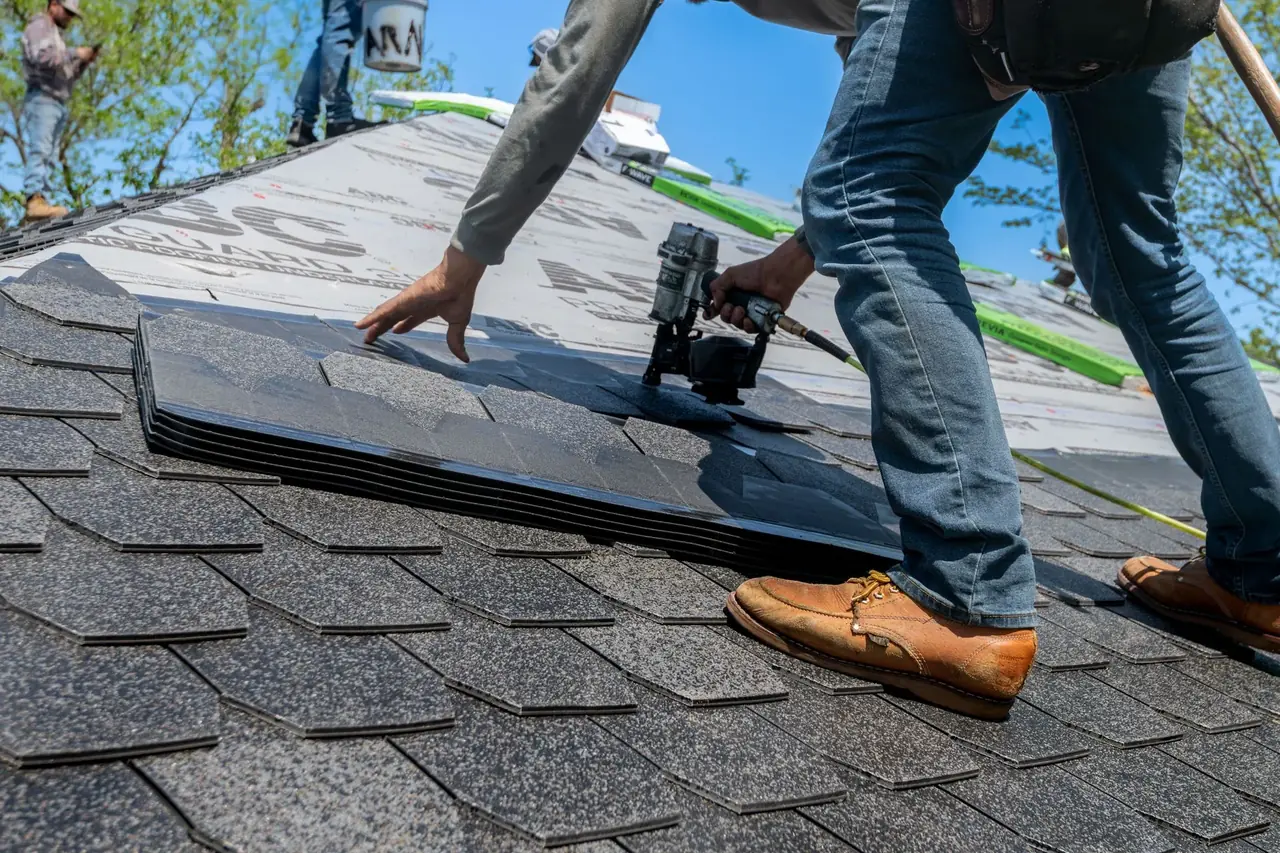
Say a three-person tree crew is taking a large limb off a pecan in a backyard in Parker County. The rope slips at the wrong moment, the limb swings, and it lands on the homeowner's roof, cracking decking and tearing off shingles. Before anyone has finished apologizing, the owner of the company is wondering whose insurance pays for the roof and whether this changes the next renewal.
Tree trimming is rated as a higher-hazard class, so a policy may be harder to find and more specific in what it covers. A cut limb that damages a customer's roof is generally a general liability question, but the answer depends on the exclusions, the limits and how the work was described on the application.
Why is tree trimming a hard class to insure in Texas?
Underwriters look at what can go wrong and how badly. Tree work combines chainsaws, climbing, gravity, heavy loose wood and homes, fences and power lines right next to the work. A single bad cut can mean a serious injury or a damaged structure, so many standard markets decline the class or cap what they will cover.
That is why tree companies often end up with specialty or surplus lines markets, where the forms and the exclusions can look different from a typical small business policy. Those markets may still write the account, but they ask more questions and may attach endorsements that narrow coverage for certain kinds of work.
The first step is to describe the operation honestly. A crew that mostly trims ornamental trees at ground level is a different risk from a company that fells large oaks over houses or does storm cleanup. If the application understates the work, a claim can turn into a dispute about what was disclosed.
What does general liability cover when a limb hits a roof?
General liability is the policy that generally responds when your work injures someone or damages their property. A limb that lands on a customer's roof is the textbook example, and many policies cover the cost to repair the damage, subject to the limit, the deductible and the exclusions on the form.
Read the exclusions closely, because tree companies run into some that other trades do not. Some policies limit or exclude damage to property you were working on, or property in your care, custody or control, which can matter when the tree stands on the customer's own lot. Others add conditions for work near structures or utilities, so check the form instead of assuming.
It also helps to know that this claim is different from a claim long after the job is done. A limb that falls during the job is an in-progress property damage claim, while problems that appear weeks later, such as a stump grinding that undermines a patio or a tree that fails after pruning, belong to the completed-work side of the policy. Questions about who owns the tree, who the homeowner's own insurance will pay and what a landowner might owe the neighbor are legal and policy questions that depend on the facts. For those, talk with an attorney or review the language of the policies involved.
How do height, cranes and bucket trucks change the application?
Expect a list of operational questions. How high do your climbers go? Do you use a crane or a bucket truck, and is it yours or rented? Do you remove trees over structures? Do you do storm cleanup or emergency work? Do you trim near power lines, and do you use any specialized training or certification?
Each answer can change the rating, and some change whether a carrier will write the account at all. A company that does only light pruning from the ground may be treated more favorably than one that does large removals with a crane. Underwriters may ask for the crew's experience and any loss history, so a few years of clean records can help.
The practical takeaway is to keep the application and the actual work in sync. If you start crane work or take on utility-line trimming midyear, tell your agent before the first job, not after the first claim. An endorsement added in advance is usually easier to arrange than an argument after a loss.
Is your chipper, bucket truck and climbing gear covered?
A general liability policy pays for harm to other people and their property. It does not pay to repair or replace your own chipper, saws, ropes or climbing gear, and a bucket truck on the road is generally a commercial auto question, not a general liability one.
The gap is easy to miss, so it is worth reading about the tools and equipment your liability policy skips and how an equipment floater or inland marine policy can fill it. That type of coverage usually lists items or covers a blanket amount, and it may respond to theft, fire or damage while the gear is on a job site or in a truck.
Check how the policy treats leased or rented equipment, how values are set and whether a deductible applies per item. A chipper stolen from a trailer on a job site is a very different loss from a limb on a roof, and it needs different coverage.
What about subcontract climbers and storm cleanup crews?
Many tree companies bring on extra climbers or groundsmen during a busy fall or after a storm, often as subcontractors instead of employees. Underwriters and auditors look at that closely. If a subcontractor does not have their own insurance, the cost of that exposure can land back on your policy.
Ask each sub for a certificate of insurance showing general liability and, where it applies, workers' compensation, and keep the certificates current. In Texas, private employers generally may choose whether to carry workers' compensation, but a nonsubscriber employer can be sued directly by an injured worker, and climbing and cutting are work where injuries happen, so confirm the rules with an attorney or the Texas Department of Insurance, Division of Workers' Compensation.
Storm cleanup adds its own wrinkles. Emergency work often means longer hours, unfamiliar properties, damaged structures and more risk, and some policies treat out-of-area or emergency work differently. Tell your agent how much of your revenue comes from storm response so the form fits the work.
What should a tree company bring to an agent?
Bring the details an underwriter will ask for. That usually means years in business, the number of employees and subcontractors, the maximum height you work, whether you use cranes or bucket trucks, how much of the work is removal versus trimming, and your loss runs, which are the carrier's record of past claims. Add a list of your equipment and its approximate value, copies of subcontractor certificates, and the contracts you use with customers. If a customer or a city asks for a certificate of insurance or additional insured status, bring that request too.
TAP Insurance Agency is an independent agency that shops multiple markets, so we can compare how different carriers handle tree work and point out exclusions in each form. When you are ready, you can talk with a Texas insurance agent and we will walk through the application with you.
Call (800) 666-2254 or text QUOTE to (817) 646-6700 · tapinsuretx.com
Educational only; coverages and availability vary by carrier. TAP Insurance Agency, PLLC — Rhome, TX, licensed in Texas and Oklahoma.
— TAP Insurance Agency · Call (800) 666-2254 — or text QUOTE to (817) 646-6700 · tapinsuretx.com