A lot of first-time landlords in North Texas start with a single rental house, get comfortable with how that policy works, and then buy a duplex or a fourplex expecting the same coverage to just scale up. It doesn't. A 2-4 unit rental property is a meaningfully different underwriting conversation than a single-family dwelling fire policy, and the gap between what an owner assumes is covered and what's actually written into the policy is exactly where claims go sideways.
Here's what changes once you add a second, third, or fourth unit under the same roof — and how to make sure your coverage actually keeps up.
Why a duplex isn't just "two rentals stacked together"
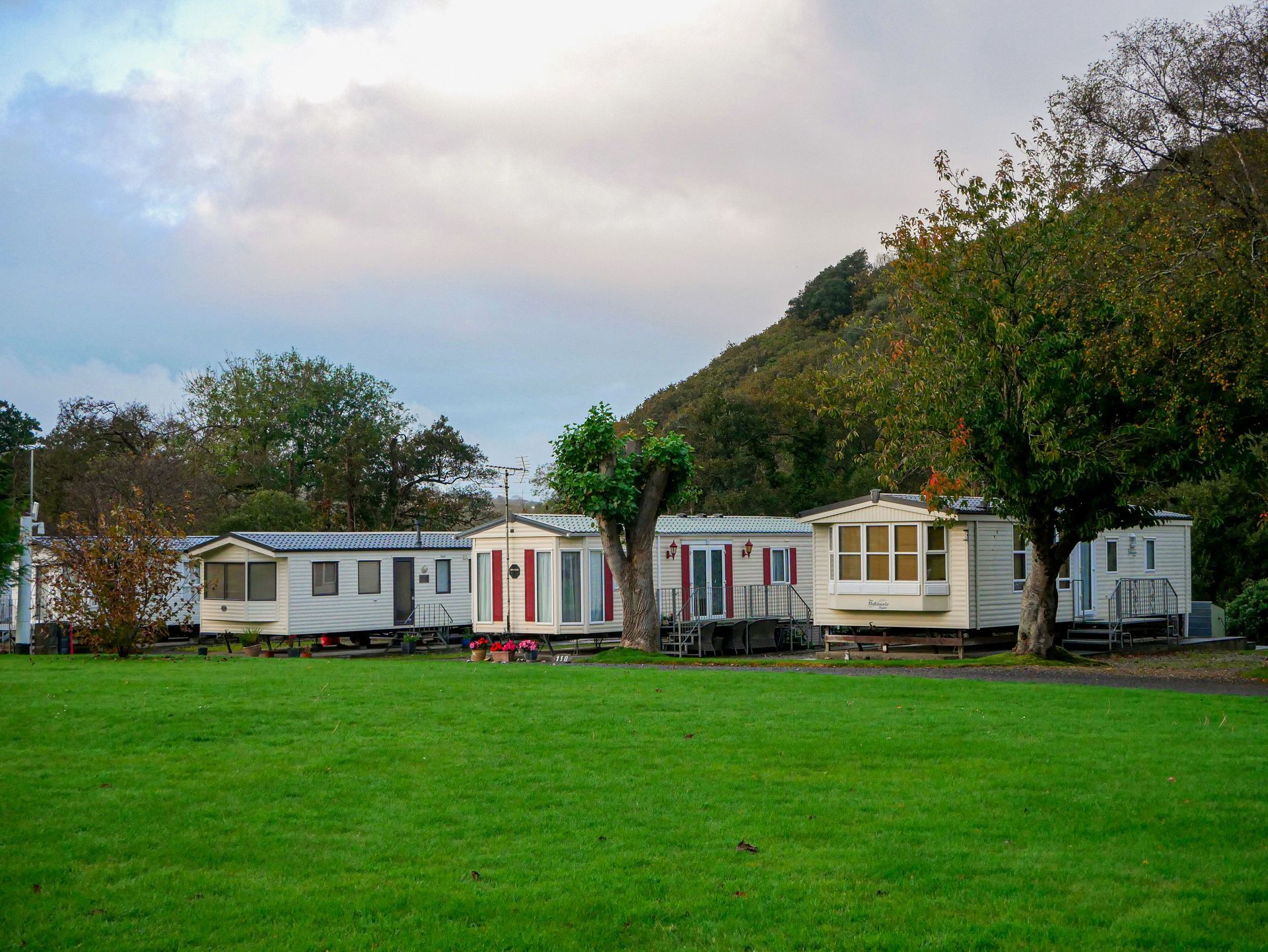
With a single-family rental, you're insuring one structure, one tenant relationship, and one clean line of liability. A duplex or small multi-unit property shares a roof, often shares utilities or mechanical systems, and almost always shares some physical space — a driveway, a stairwell, a shared fence line — between tenants who may not know each other. That shared exposure is exactly what standard single-family landlord forms weren't priced to handle.
Carriers that write single-family
DP-3 (dwelling fire, special form) policies without hesitation often decline or heavily restrict 2-4 unit properties, particularly older ones, because the claims profile is different: more tenants means more chances for a kitchen fire, a slip-and-fall, or a dispute between units to turn into a claim. Some carriers still write 2-4 unit buildings on a DP-3-style form; others require a light commercial property policy once you cross the single-family line. Which category your building falls into changes not just the price, but the coverage form itself — worth confirming directly rather than assuming your current landlord policy simply extends.
Per-unit vs. blanket coverage — and why the choice matters at claim time
One of the first decisions on a multi-unit submission is how the dwelling coverage is structured. Some policies price and schedule each unit separately; others write the whole structure under one blanket limit.
This matters at claim time. A blanket limit gives you flexibility if damage is concentrated in one unit — the full limit is available regardless of which unit is hit. A per-unit schedule can leave you short if that unit's individual limit was set too low relative to its actual share of the building's rebuild cost, even if the building's total insured value looks adequate on paper. Either approach can work, but what matters is that the total dwelling limit reflects the true current cost to rebuild the whole structure — not what you paid for the property, and not the county's tax-assessed value. Those numbers are often very different on an older Texas duplex bought below replacement cost, the same underinsurance trap that shows up on commercial buildings under a
coinsurance clause — the mechanism is different, but the underlying mistake (insuring to purchase price instead of rebuild cost) is exactly the same one that costs owners money at claim time.
Liability exposure multiplies with shared spaces
Common areas, stairwells, and shared parking
A single-family rental's liability exposure is largely contained to that one tenant, their guests, and the property itself. A duplex or fourplex adds shared stairwells, shared parking areas, and sometimes shared laundry or mechanical rooms — every one of which is a place where a slip, a fall, or an injury involving a tenant from a different unit (or their guest, or a delivery driver, or a neighbor) can trigger a liability claim against the owner rather than any individual tenant.
Multi-unit liability limits should reflect that broader exposure. A limit that felt comfortable on a single rental house often looks thin once you're the common landlord for four separate households sharing the same walkways. For owners with several properties or a larger total liability exposure across a portfolio, an umbrella policy sitting on top of the base landlord liability limit is worth discussing — see our
umbrella insurance page for how that extra layer works.
What Texas landlord-liability law actually requires
Texas doesn't impose a statutory minimum liability insurance requirement on landlords the way it does on drivers, but Texas Property Code Chapter 92 (the residential tenancies chapter) does impose habitability and repair obligations on landlords — a failure to maintain the property in a condition that meets those obligations can become the underlying negligence claim behind a tenant injury lawsuit. In plain terms: the insurance question ("is this covered?") and the landlord-duty question ("was I legally responsible for the condition that caused the injury?") are related but separate, and a multi-unit property with more tenants and more shared space simply generates more opportunities for that second question to come up.
Loss of rent gets more complicated with multiple units
On a single-family rental, loss-of-rent coverage is straightforward: one unit, one rent check, one number to replace if a covered loss makes the home uninhabitable. On a duplex or fourplex, a single event — a roof fire, a burst pipe in a shared wall, a hailstorm that takes the roof off the whole structure — can knock out multiple units at once, multiplying the lost rental income the policy needs to cover simultaneously.
A real-numbers example: a fourplex in the DFW hail belt with four units renting at $1,200/month each represents $4,800/month, or $57,600/year, in total rent roll. If a loss-of-rent limit was set years ago based on a single unit's rent, or based on the rent roll at purchase rather than current market rents, a storm that displaces all four tenants for three months of repairs could easily exceed a limit that looked adequate on the declarations page. Confirm your loss-of-rent limit is scaled to the total, current rent roll across all units, not just one, and check how many months of coverage the policy actually provides — this is a detail worth revisiting any time you raise rents, not just at initial purchase.
What carriers want to see on a small multi-unit submission
Multi-unit underwriters typically want more detail than a single-family rental submission: number of units, occupancy status of each, whether utilities are separately metered or owner-paid, age and condition of the roof and major systems, and often photos of each unit's exterior and any shared areas. Properties with all units currently leased and separately metered utilities tend to price and place more easily than vacant or mixed-occupancy buildings.
If you're actively renovating or transitioning tenants between units, flag that up front — it changes both the coverage form and the carrier's appetite for the risk, and it's much easier to disclose before binding than to explain during a claim investigation, when an undisclosed vacancy or renovation can complicate how a claim is paid.
Where TAP finds markets for 2-4 unit properties
This is exactly the kind of property where an independent agency earns its fee. Small multi-unit rentals sit in an awkward middle ground for a lot of captive carriers — too small to be treated as a "real" commercial apartment risk, too complex to fit cleanly onto a standard single-family landlord form. We carry markets that specifically write 2-4 unit properties in North Texas, including older duplexes near the Wise County and DFW rental corridors where investor demand has been steady.
If you're new to owning rental property in the area generally — whether it's your first single-family rental or your first duplex — our
new-resident and new-landlord insurance checklist for Wise County is a useful starting point for the surrounding coverage questions, and if your fourplex sits in an area exposed to the same DFW hail belt that drives most North Texas roof claims, it's worth understanding the
ACV vs. replacement cost settlement question before your next hailstorm rather than after.
How TAP helps
If you own — or are about to buy — a duplex, triplex, or fourplex anywhere from Rhome and Decatur into the DFW metroplex, it's worth a real conversation before you assume your existing landlord policy (or your agent's first quote) actually fits the property. Start with our
home insurance page or call us directly, and we'll walk through per-unit versus blanket coverage, your loss-of-rent limit against your actual current rent roll, and whether your liability limit is sized for shared-space exposure rather than a single tenant.
Frequently Asked Questions
Can I insure a duplex on the same type of policy as a single-family rental? Sometimes — some carriers extend a DP-3-style dwelling fire policy to 2-4 unit properties, particularly newer, well-maintained buildings. Others require a light commercial property form once a property crosses the single-family line. Which applies depends on the carrier and the specific property.
How many units before a rental property is considered "commercial" for insurance purposes? There's no single universal cutoff, but 5+ units very commonly require a commercial multifamily policy across most carriers, while 2-4 units sit in a middle zone where carrier appetite varies significantly — exactly the segment an independent agency's market access matters most.
Does landlord insurance cover a tenant's belongings? No. A landlord policy covers the building, the owner's liability, and (if selected) the owner's own personal property used to service the units — not a tenant's personal belongings. Tenants need their own renters insurance for that, and many Texas landlords now require proof of it in the lease.
What is loss-of-rent coverage and how is the limit calculated? Loss-of-rent coverage replaces rental income lost while a covered loss makes a unit (or units) uninhabitable during repairs. The limit should be based on the property's total current rent roll across all units and the realistic number of months a major repair could take — not the rent roll at the time the property was purchased.
Does Texas require landlords to carry liability insurance? No, Texas does not impose a statutory minimum liability insurance requirement on landlords the way it does for auto insurance. However, Texas Property Code Chapter 92 imposes habitability and repair obligations that can create the underlying legal exposure liability insurance is designed to respond to.
Is a duplex I live in (owner-occupied, one unit rented) covered differently than a fully tenant-occupied duplex? Yes — an owner-occupied duplex where the owner lives in one unit and rents the other is often eligible for a standard homeowners-style policy with a rental endorsement, which is a different underwriting conversation than a fully tenant-occupied 2-4 unit investment property. Disclose owner-occupancy status specifically when getting quoted.
Educational only; not legal advice. Coverage forms, underwriting requirements, and liability exposure vary by carrier, property condition, and occupancy. TAP Insurance Agency, PLLC — Rhome, TX. Licensed in Texas and Oklahoma.
Call
(800) 666-2254 or text QUOTE to (817) 646-6700 for a free quote.
— TAP Insurance Agency · Call (800) 666-2254