Every June, DFW homeowners start hearing the same advice: review your policy before hurricane season. What almost nobody explains is the part that actually catches people off guard —
once a storm is named and tracking toward Texas, it can already be too late to buy or increase your coverage. Not because your agent is slow. Because the carrier itself stops accepting new business or coverage changes in the affected area until the storm passes.
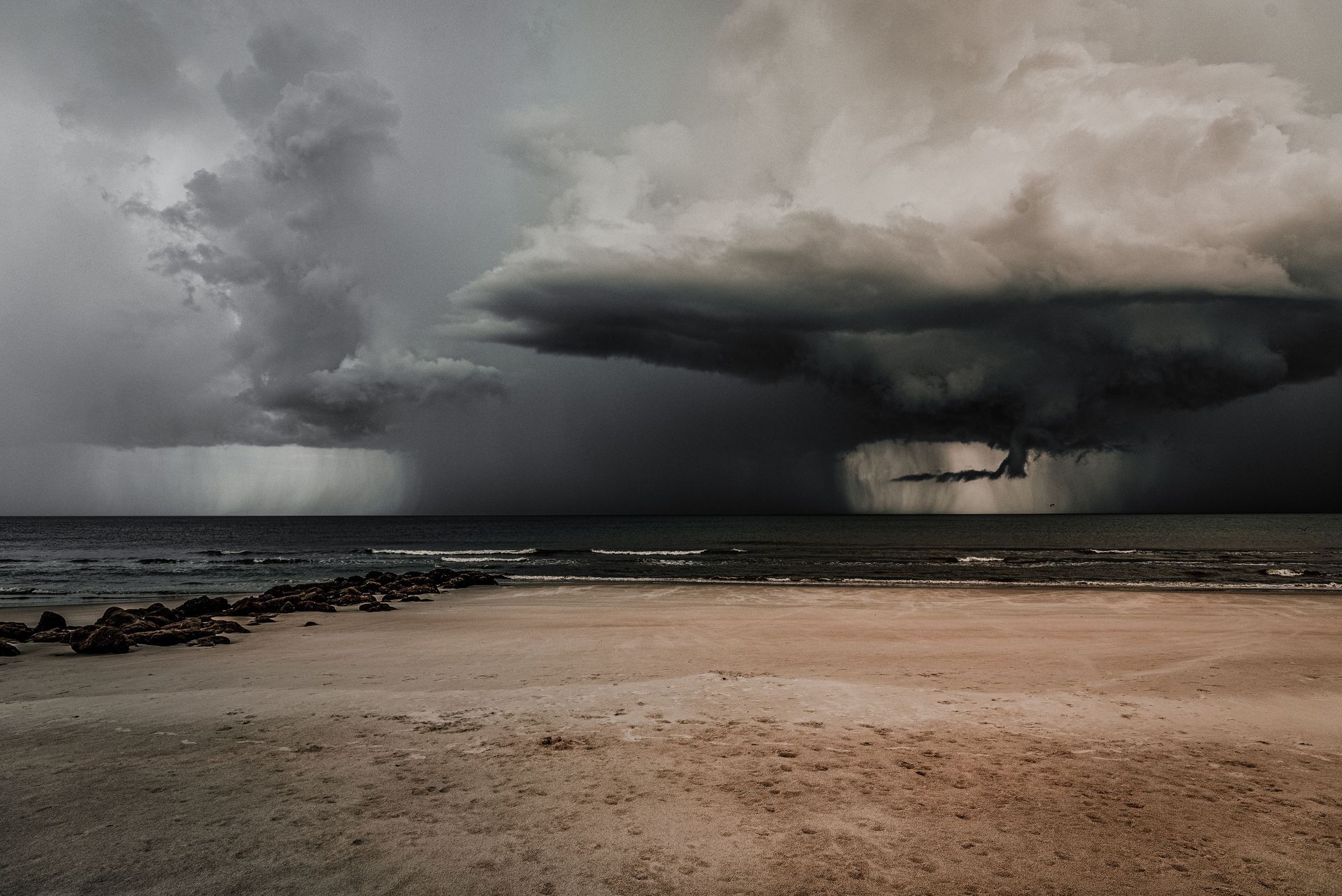
This isn't a coastal-only problem. Insurers draw their restriction zones based on projected storm paths and wind fields, and those zones routinely stretch well inland — sometimes covering the entire DFW metroplex, Wise County, and everything along the I-35 corridor, even for a storm that's still a day or two from making landfall near Houston or Corpus Christi.
What a binding restriction (or "moratorium") actually is
When a hurricane, tropical storm, or sometimes even a severe hail-producing weather system is forecast to hit Texas, most carriers issue an internal underwriting hold — commonly called a
binding restriction or
moratorium. During that window, the carrier will not:
- Write a brand-new homeowners policy for a property in the restricted area
- Increase dwelling coverage limits on an existing policy
- Add or increase endorsements tied to wind/hail exposure
- Reinstate a lapsed policy
Existing coverage at existing limits generally continues uninterrupted — the restriction is about new or increased exposure, not about canceling what you already have. But if you were planning to add flood coverage, raise your dwelling limit to match rebuild costs, or start a new policy because you just closed on a home, and a storm forms while you're mid-process, you can find yourself stuck without the coverage you were trying to buy.
Why inland Texas gets caught in these restrictions
Carriers set their restriction radius based on the National Hurricane Center's forecast cone and wind-field projections, not just the coastline. A storm tracking toward the upper Texas coast with a wide wind field can trigger a restriction zone that reaches Dallas-Fort Worth, and remnant systems that weaken to tropical depressions still dump enormous rainfall well inland — which is exactly the kind of event that makes carriers cautious about writing new business in a hurry.
Some carriers use a specific mileage radius from the storm's forecast track (commonly 50-200 miles, depending on the company and the storm's strength). Others restrict by county once a hurricane watch or warning is issued anywhere in Texas. The rules vary carrier to carrier, which is exactly why working with an independent agency that writes with multiple companies matters here — one carrier's restriction doesn't mean every carrier is restricted at the same moment.
What this means if you're mid-purchase or mid-change
If you're closing on a home, switching carriers, or trying to raise your dwelling coverage during an active storm threat, here's the honest picture: the transaction may simply have to wait until the storm passes and the restriction lifts, which is typically within a few days to two weeks depending on the storm's track and damage. Lenders are generally aware of this and will work around it for closings, but it can still create stress at exactly the wrong moment.
The fix isn't complicated — it's just about timing.
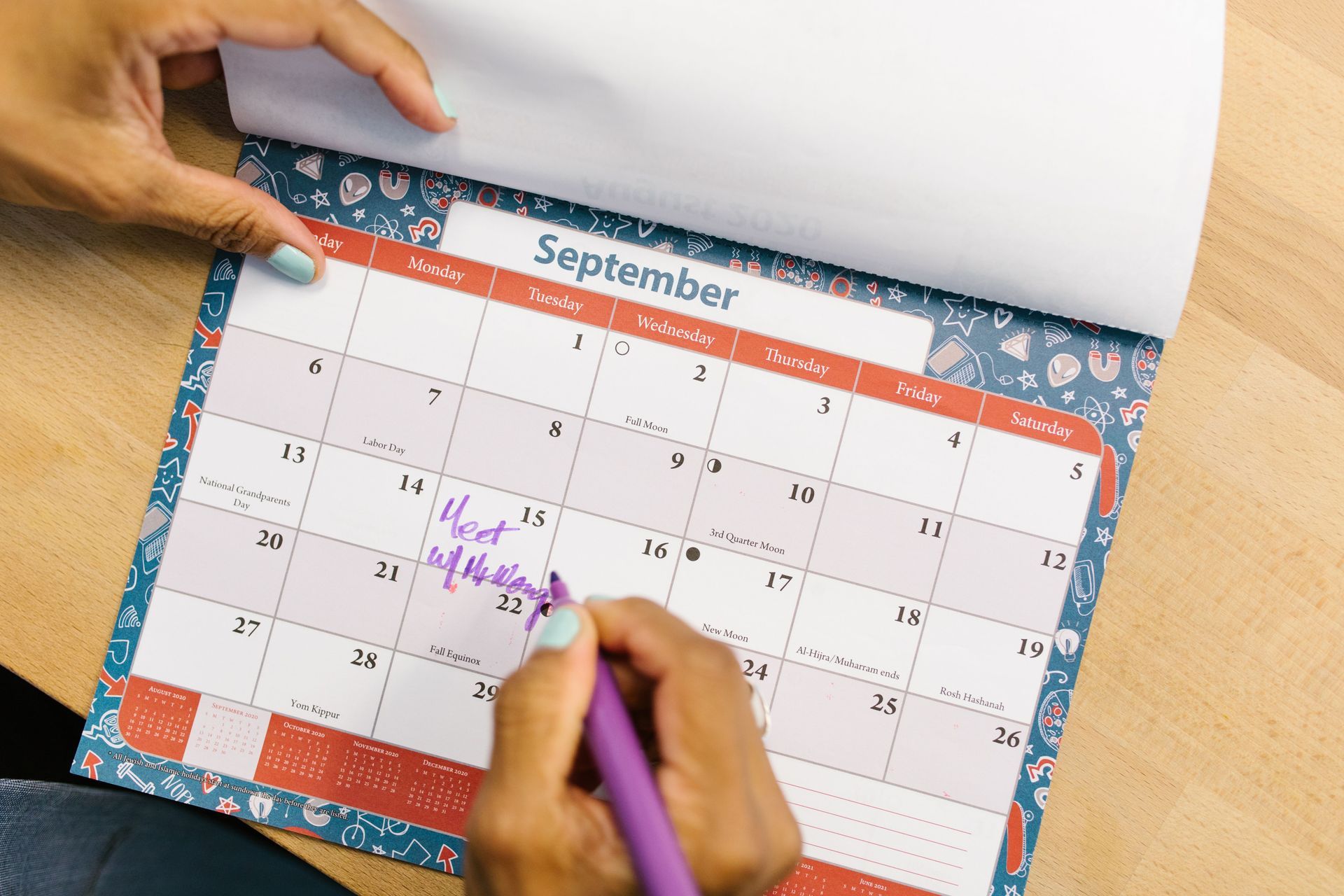
The best time to write new coverage, raise a limit, or add an endorsement is during a quiet stretch of hurricane season, not the week a storm forms. Hurricane season runs June 1 through November 30, and the calm weeks in between named storms are when policy changes go through smoothly.
What to do right now, before the next storm forms
- Review your dwelling coverage limit today, not during a watch. Replacement costs in North Texas have climbed sharply over the last few years — if your limit hasn't been updated, you may be underinsured and unable to fix it once a storm is on the radar.
- Add flood coverage now if you don't have it. NFIP policies carry a 30-day waiting period on top of any binding restriction, so waiting until a storm is forecast means you could be without coverage for weeks.
- Confirm your wind/hail deductible. Many Texas policies carry a percentage-based deductible rather than a flat dollar amount — see our guide on
understanding your hail deductible in Texas for how that math works.
- Ask about Sola's wind/hail deductible offset if your percentage deductible would be a financial strain after a storm — it's a separate policy that pays part or all of that deductible. Details on our
Sola wind and hail deductible protection page.
- Know that flood and wind/hail are different problems entirely — see our full breakdown on
flood insurance in Texas if you're not sure whether you're exposed.
Where an independent agency helps most here
Because binding restrictions are carrier-specific and not industry-wide, an agency that only represents one company has no flexibility once that company locks its underwriting. TAP Insurance Agency writes with more than a dozen carriers, so if one company is restricted during an active storm, we can often still place coverage with another that isn't — or, more importantly, we can tell you honestly when nobody will bind new coverage until the storm clears, so you're not wasting time chasing a policy that isn't available yet.
The smartest move is the boring one: review your coverage during a calm week, not a scary one. If it's been more than a year since anyone looked at your dwelling limit, deductible structure, or flood exposure, now — mid-July, with hurricane season in full swing but no active storm on the map — is exactly the right time.
Call (800) 666-2254 or text QUOTE to (817) 646-6700, or
request a quote online, and we'll walk through your policy before the next system even forms.
Educational only; binding restriction timing, radius, and rules vary by carrier and by storm. TAP Insurance Agency, PLLC — Rhome, TX. Licensed in Texas and Oklahoma.
— TAP Insurance Agency · Call (800) 666-2254