The Load Came Off the Flatbed on the Highway: Which Part of a Texas Trucking Policy Pays?
Liability, cargo and physical damage each answer a different piece of a spill, and securement records can change the outcome.
Free quote from TAP Insurance Agency — call (800) 666-2254 or text QUOTE to (817) 646-6700.
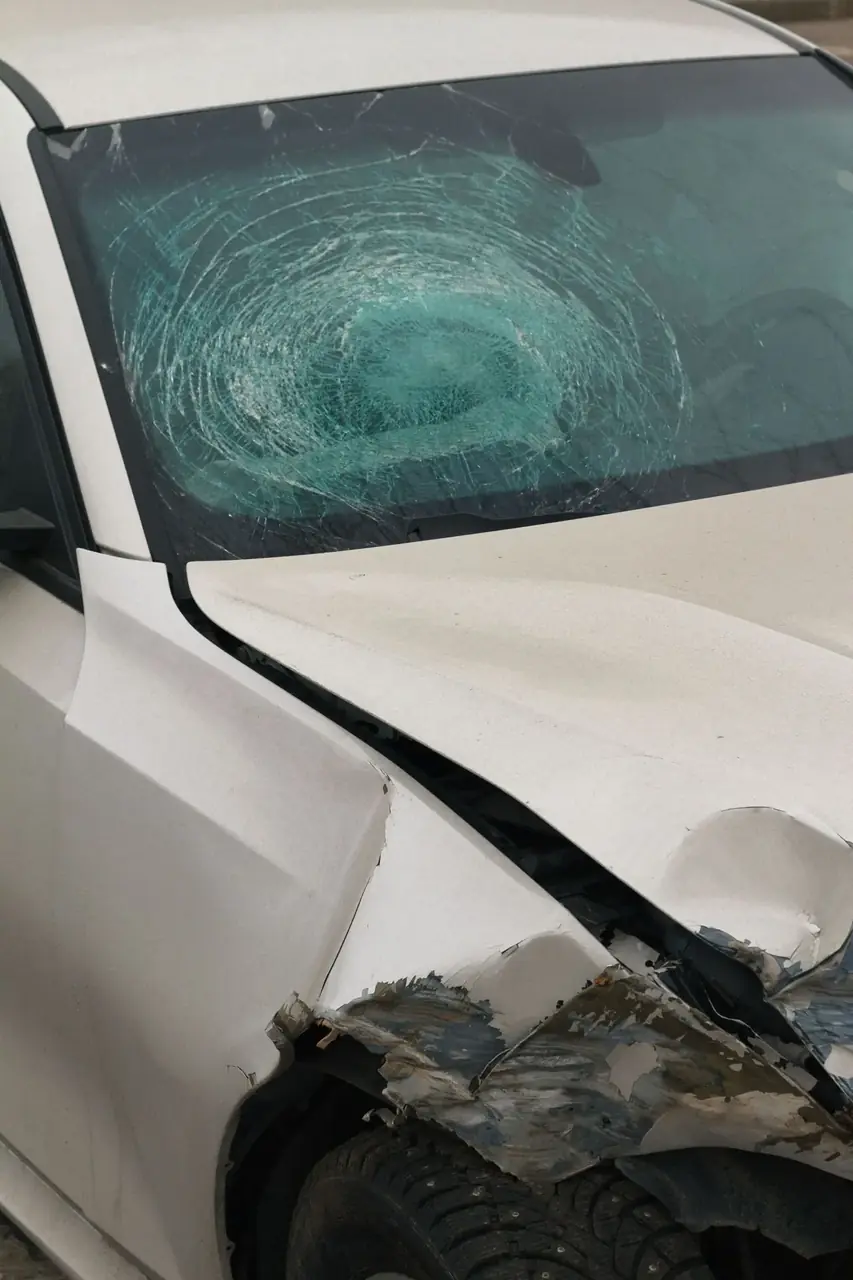
Say a hotshot driver hauling a stack of steel and lumber on a flatbed brakes hard on a Texas farm-to-market road. A strap slips, part of the load slides off, and a passing pickup is hit. The driver is shaken but fine, boards and bundles are scattered across both lanes, and the pickup owner is already on the phone.
When a flatbed load comes off, the damage usually splits across three coverages. Auto liability generally answers for the pickup, the people in it and the road. Motor truck cargo may answer for the freight itself, and physical damage for your own truck and trailer. How the load was secured, and what you can show afterward, can affect each one.
What happens to your insurance when a flatbed load falls on the highway?
Think of the loss as three separate buckets, each paid by a different part of the policy. The first bucket is everything that happened to other people and their property: the pickup, any injuries, a damaged guardrail or fence, and sometimes the road itself. That bucket is often the largest and the most urgent.
The second bucket is the load, which usually belongs to a shipper or a customer. The third is your own rig. Each bucket has its own limit, its own deductible and its own conditions, so a driver who only thinks about one of them can be surprised by the other two.
Does cargo insurance or liability pay for the damage to other vehicles?
Damage to other vehicles is generally a liability question, not a cargo question. Auto liability is the part of the policy that pays for injury and property damage you cause to others, up to the policy limit, when you are legally responsible. In a falling-load claim the insurer will usually investigate how it happened, and who is at fault is decided from the facts, so questions about blame belong with an attorney.
Liability does not pay for your own freight or your own truck. Many drivers assume cargo coverage handles everything on the trailer, but cargo coverage is meant for the freight owner's property. We cover that side in depth in our post on cargo limits and the gaps that bite, so this post keeps cargo to one short section below.
Because a highway spill can involve more than one vehicle and more than one injury, the liability limit matters a great deal. Look at the limit on your declarations page and ask your agent whether it fits the kind of roads and loads you run. Whether a federal filing or a motor carrier's requirements apply to you is something to confirm with FMCSA and the carrier.
Can a cargo policy deny a claim over how the load was secured?
It can, depending on the form. Many motor truck cargo forms carry conditions or exclusions that touch improper loading, poor securement or overloading, and the wording varies from one policy to the next. Read the exclusions page, not just the limit, and ask your agent to point out anything about how freight must be tied down.
Federal rules set securement expectations for drivers hauling on public roads, and a policy may expect you to follow them. Confirm the current requirements with FMCSA and TxDMV rather than relying on memory. A cargo denial does not automatically change how liability responds to the pickup owner, though policy conditions differ, so ask which parts depend on each other.
Who pays for cleanup, towing and recovery after a load spill?
A load spill is a different problem from a breakdown, because the mess is on a public road and other people are affected right away. That is why the order of your calls matters: emergency services first, then your insurer and your agent, then the shipper.
Debris on the road has to be cleared, and the bill can come from more than one direction. A cleanup crew, a public agency or a property owner may charge for removing spilled material. Towing and recovery of a tilted trailer or a stuck truck is another line item, and heavy recovery can be complicated on a rural road.
Which coverage responds depends on what is being cleaned or moved. Cleanup of your spilled freight is often limited or excluded on a base cargo form, debris from your load on a public road may be pushed into the liability conversation, and towing your own rig may fall under physical damage or a towing endorsement. Ask your agent which of these your policy includes before a spill, not after.
Speed matters too. Notify the insurer and your agent promptly, and follow the checklist in the first 24 hours after a wreck, including scene photos and not signing anything or promising payment at the roadside. A late notice can make a claim harder to handle, and the policy may say how soon you must report.
Who is responsible if the shipper loaded the freight?
Loading duties depend on the shipping arrangement and the paperwork. On some jobs the shipper loads and the driver signs for a count, and on others the driver loads and secures the freight alone. The bill of lading and any notes about who loaded can shape how a claim is viewed, and what they mean legally is a question for an attorney.
Even when a shipper loaded the freight, the driver typically still has a duty to check the load before and during the trip, and the federal rules are written with the driver in mind. Confirm that with FMCSA. The practical result is that an injured driver of another vehicle will look to your policy first, and any sorting out between you and the shipper happens afterward.
What should you document before you call your agent?
Start at the scene, once everyone is safe. Take photos of the load on the road, the straps or chains that failed, the position of your trailer, the other vehicle and its plate, and any signs or road conditions. Write down names and phone numbers of witnesses and note the time and location.
Then gather the paper trail. Keep the bill of lading, any load securement notes or pre-trip checks, photos taken at the dock showing how the freight was tied down, and anything the shipper wrote about loading. Records made before the loss carry more weight than a memory afterward.
With that in hand, call your agent and ask which coverage to put on notice for each piece. One loss can open several claims, and it helps to keep them straight from day one.
TAP Insurance Agency is an independent agency that shops multiple markets, so we can look at liability limits, cargo conditions and physical damage together. If you haul flatbed freight and want the wording checked before a spill, you can start with commercial trucking insurance in Texas and we will walk through the details with you.
Call (800) 666-2254 or text QUOTE to (817) 646-6700 · tapinsuretx.com
Educational only; coverages and availability vary by carrier. TAP Insurance Agency, PLLC — Rhome, TX, licensed in Texas and Oklahoma.
— TAP Insurance Agency · Call (800) 666-2254 — or text QUOTE to (817) 646-6700 · tapinsuretx.com