Where the Trucks Sleep: Insuring the Yard, the Gate and the Rigs Parked Overnight in Texas
A truck yard is a property, a liability and a theft question at once, and the trucking policy does not automatically answer all three.
Free quote from TAP Insurance Agency — call (800) 666-2254 or text QUOTE to (817) 646-6700.
Say a five-truck company in Johnson County finally buys a gravel lot with a metal shop, a chain-link fence and a rolling gate. The trucks have always been insured, so the owner assumes the new yard is covered too. Then a parts vendor trips on loose gravel near the shop door, and a few nights later someone cuts the fence and takes batteries off two parked tractors.
Usually not all of it is covered. A trucking policy is built around trucks on the road, so the yard generally needs its own answers: premises liability for people hurt on the lot, commercial property for the fence, shop and lights, and the right physical damage coverage on parked rigs. Check each piece on the policy instead of assuming one form handles all three.
Does your trucking policy cover the truck yard?
A commercial auto form responds to accidents involving covered vehicles. A vendor who trips while walking across the lot is not in an auto accident, and a cut fence is not a vehicle loss. Underwriting for a small fleet shopping for coverage usually centers on trucks, drivers and radius, so the yard can slip through without anyone asking about it.
Premises liability is coverage for injury or damage to other people that happens on property you own, lease or control. It usually sits on a general liability policy, not the trucking policy. If you bought or leased a lot and never added that coverage, the first slip-and-fall may be the day you find out.
Who pays when someone is hurt on the lot?
Think about who actually walks your yard: a broker's driver picking up a trailer, a parts vendor, a tire truck, a welder, or a stranger after dark. General liability generally responds to their injuries when you are legally responsible, though the details depend on the policy. What you owe a visitor can vary with why they were there, which is a question for an attorney.
The line between auto and premises can get fuzzy around loading and unloading, and some general liability forms carve out anything auto-related. Your own employees hurt in the shop are a workers' compensation question, not a premises one. Ask your agent which policy answers each scenario so there is no gap between forms.
Keep a simple log of visitors and incidents, even a notebook by the shop door. Photos of any hazard, such as a pothole or a loose cable, along with the date it was fixed, show that you took the yard seriously. That kind of record may help you and your insurer if a claim ever turns into a dispute.
How is the yard property insured: fence, gate, shop and lights?
Yard property usually goes on a commercial property policy. Buildings are the easy part. Outdoor items like fences, gates, light poles, a shipping container or a wash pad are often limited, sub-limited or left off unless they are listed, so ask about each one. Also ask whether the policy pays replacement cost or depreciated value, since a gate motor wears out fast.
Do not forget what is inside the shop: tools, lifts, parts and the diagnostic gear. If you own the lot, you insure the land improvements yourself, and a lender may require it. A diesel tank on the lot is its own pollution question, and a general liability policy often excludes it, so raise it separately with your agent.
What covers a parked truck that is stolen or vandalized?
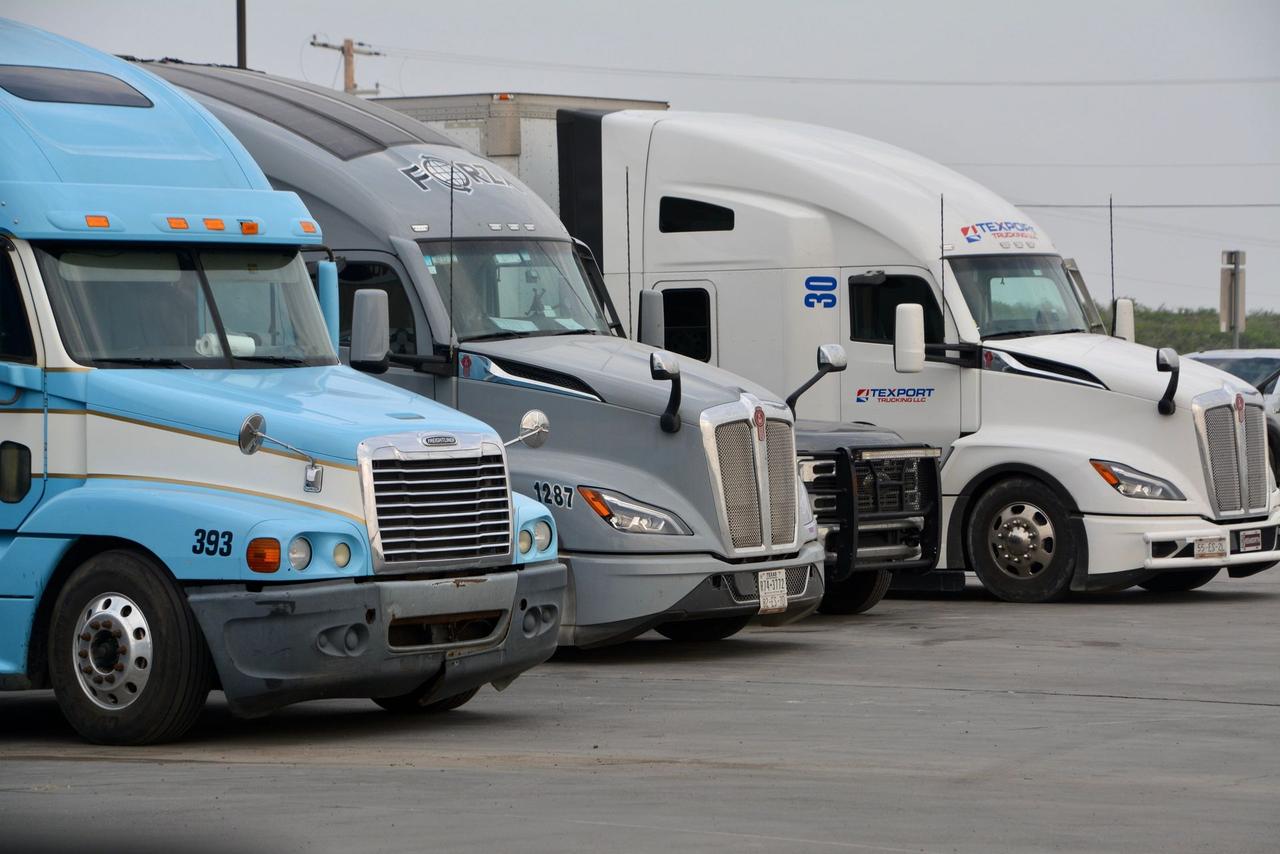
Theft, vandalism, fire and hail on a parked truck fall under the comprehensive part of physical damage coverage, while collision covers a crash. If an owner dropped physical damage to save money, the rigs sleeping in the yard may have no protection at all. Check every unit on the schedule, including trailers, because coverage often attaches unit by unit.
Underwriters tend to like a lit, fenced, gated yard because theft is less likely there. Cameras on the gate help the same way, much like what a dash cam settles after a crash, since footage shows who was where. Some policies attach conditions to unattended trucks or loaded trailers, so read those clauses before you leave freight in the yard overnight.
Weather deserves a thought too. Hail and high wind hit open lots hard, and some policies carry a separate, higher deductible for wind or hail. Ask whether that applies to parked trucks, and whether covered parking, even a simple shed roof, changes the answer.
What does a yard lease usually ask you to insure?
A landlord often asks for a general liability policy with a stated limit, a certificate of insurance, and additional insured status for the owner of the lot. Some ask for a waiver of subrogation as well. Each of those is an endorsement your agent has to request from the carrier, so it takes time and it is not automatic.
Read the lease for who owns the fence, the lights and any improvements, and for hold-harmless language that shifts blame to you. Have an attorney review it if the wording is unclear. Send the landlord's insurance requirements to your agent before you sign, not after, because discovering a missing endorsement after move-in is stressful.
What should a trucking company tell its agent about the yard?
Describe the lot plainly: owned or leased, size, surface, fence type, gate and lock, lighting, cameras, and whether anyone is on site overnight. Say how many trucks sleep there, whether visitors come and go, whether you repair or wash trucks for others, and whether there is a fuel tank. Each of those answers moves the underwriting picture.
Tell the agent when the yard changes, too. A second lot, a new shop bay, or renting parking spaces to other carriers is a different exposure from parking your own rigs. Keep photos of the fence and lighting, since a clear record helps at renewal and after a loss.
TAP Insurance Agency is an independent agency that shops multiple markets, so we can ask about the yard, the shop and the rigs together instead of one policy at a time. If you run a single truck from your own property, owner-operator insurance in Texas has wrinkles of its own, and we are glad to talk those through as well.
Call (800) 666-2254 or text QUOTE to (817) 646-6700 · tapinsuretx.com
Educational only; coverages and availability vary by carrier. TAP Insurance Agency, PLLC — Rhome, TX, licensed in Texas and Oklahoma.
— TAP Insurance Agency · Call (800) 666-2254 — or text QUOTE to (817) 646-6700 · tapinsuretx.com