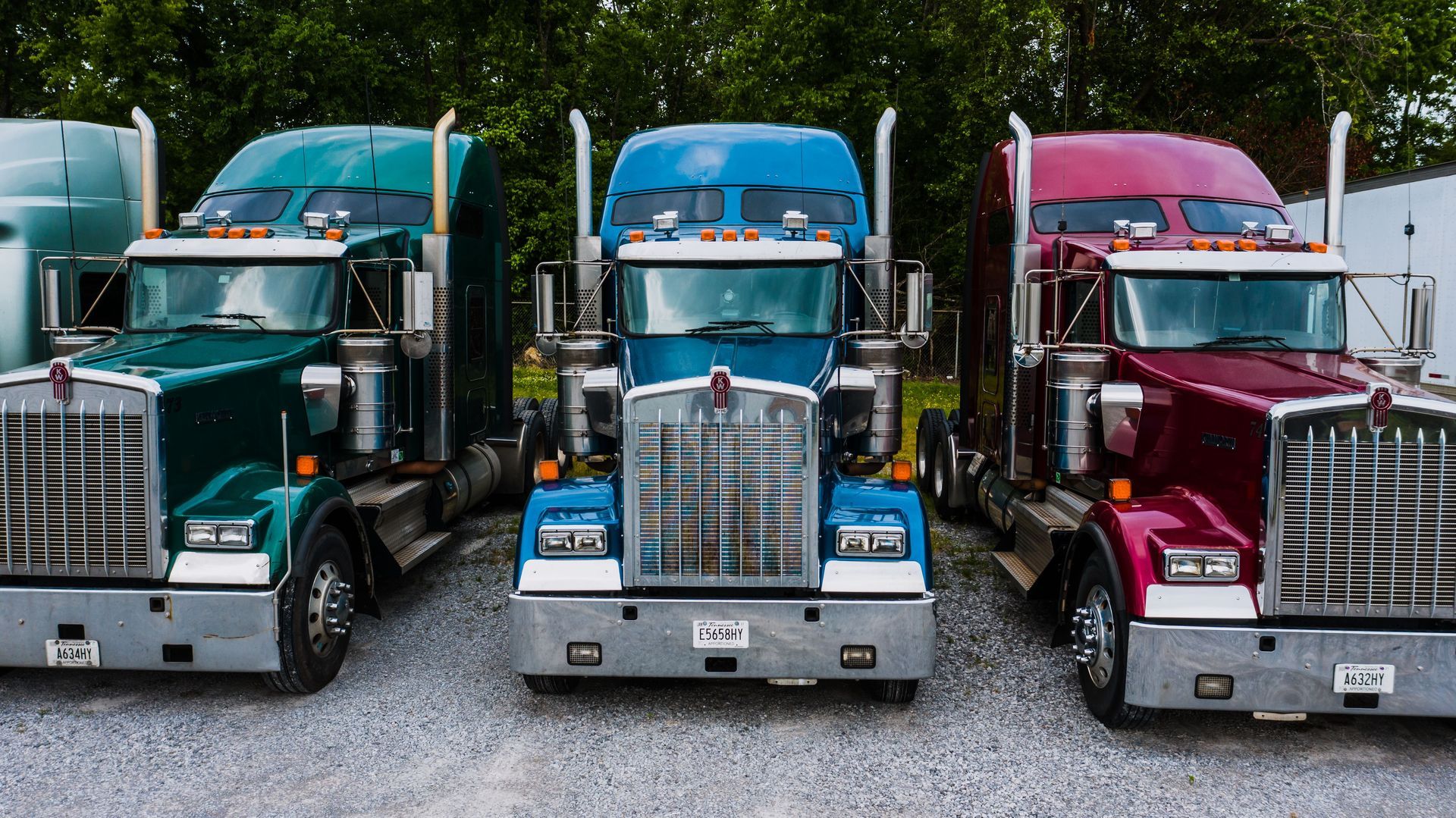
Say a loaded tractor-trailer from a five-truck fleet brakes hard at a busy Fort Worth interchange after a car cuts across two lanes, and the pickup behind it hits the trailer. The other driver tells the officer your driver stopped for no reason. Your driver tells a different story, nobody else pulled over, and the whole claim now rests on two accounts.
Dash cams on a small fleet do two main things: they can settle who did what after a crash, and they show an underwriter that the fleet pays attention to how its trucks are driven. They do not guarantee a better claim outcome, a lower price or an easier placement, and footage that is kept but never reviewed can cause as many questions as it answers. Here is how to think about dash cam small trucking fleet insurance in Texas before you buy.
What video settles after a crash, and what it cannot
A forward-facing camera records speed, lane position, signals, braking and who entered the intersection or the lane first. That gives the adjuster and any defense attorney facts in the first days of a claim, when memories are fresh and the other side is already telling its version. In a disputed-fault crash it can shorten the argument about what happened.
Video cuts both ways, though. It shows only what the lens sees, and it will show your driver on a phone or rolling through a stop just as clearly as it shows the other driver cutting you off. Smaller operations already face a thin market, which is the situation behind
why small fleets struggle to find insurance in Texas, and a loss history that records fewer disputed claims is part of staying placeable.
What an underwriter actually does with a camera program
An underwriter weighs the whole account, and a camera is one piece of evidence about how the fleet runs. What tends to get noticed is the program around it: a short written safety policy, a habit of reviewing flagged events, notes showing a driver was coached after a hard-braking event and a consistent rule for how long footage is kept.
Large carriers run telematics on every truck and employ safety departments. A five-truck owner cannot match that and does not have to. A one-page policy and a simple log of what you saw and what you said to the driver is a believable program at your size, and it reads very differently from a camera nobody checks. No carrier can promise credits or acceptance because you installed one, and availability and terms vary by carrier. A new hire is the natural moment to explain your safety habits, so when
adding a driver to your trucking policy, tell the carrier about your cameras and how you review them.
Driver-facing cameras and the questions to take to an attorney
Cameras pointed at the driver add a second set of questions. Employee notice, written consent, audio recording, what happens with footage of off-duty or personal moments, and how leased or contract drivers fit in are legal questions, not insurance ones, and the answers can differ by state and by situation. Take them to an employment attorney before you install, and write down what drivers are told.
Drivers also notice how the footage is used. A camera presented as a way to defend them after a crash is received differently from one that feels like a way to catch them, and a fleet that is short on drivers cannot afford the second reputation.
The footage you keep and never review
The weak spot in most small camera programs is the middle step. Footage piles up on a cloud account, the device flags a rolling stop or a phone in hand, and nobody opens the alert. If that same behavior is later part of a serious crash, the question can become what the company knew and did about it. Ask your attorney how unreviewed alerts are viewed in a dispute.
The practical answer is a small, repeatable habit. Pick one person, set a weekly time to look at flagged events, talk to the driver the same week and jot a line about it. If you do not expect to do that, tell your agent and your attorney before you buy, because a camera you will not review may not be worth the monthly fee.
Who owns the footage, how long to keep it and who gets a copy
Who owns it. Read the vendor agreement. Some systems store clips in the vendor's cloud under their terms, others on a card in the truck, and a driver who leaves or a vendor you cancel can affect access. Leased operators raise a separate ownership question.
How long to keep it. Choose a retention period, write it down and apply it the same way every time. Routine overwriting under a written rule is normal, but once a crash or injury happens, preserve that clip and the minutes around it right away and ask your attorney what else to keep. Do not trim or edit it.
Who gets a copy. Tell your agent and the carrier promptly that video exists, and follow the carrier's instructions for sending it. A quick, complete handoff helps the adjuster work with facts instead of waiting on them, and it lets them tell you what they need next.
Is it worth buying for a fleet your size?
Cameras make the most sense where you cannot ride along: several trucks running different loads, newer drivers, or routes through heavy traffic like the Dallas-Fort Worth metroplex. They matter less where one owner drives the only truck and already knows every mile. The deciding question is not the price of the device but whether you will review, coach and retain.
Ask your agent how a carrier might view your program before you commit, and bring the written policy you plan to use. If you are ready to look at
commercial trucking coverage for your fleet, TAP Insurance Agency is an independent agency that shops multiple carriers, so we can show how different markets look at the same account. We cannot promise a credit or a placement, but we can make sure your safety program gets noticed.
Call
(800) 666-2254 — or text
QUOTE to
(817) 646-6700 · tapinsuretx.com
Educational only; coverages and availability vary by carrier. TAP Insurance Agency, PLLC — Rhome, TX, licensed in Texas and Oklahoma.