The Turkey Fryer Caught the Deck on Fire: What Texas Homeowners Insurance Pays
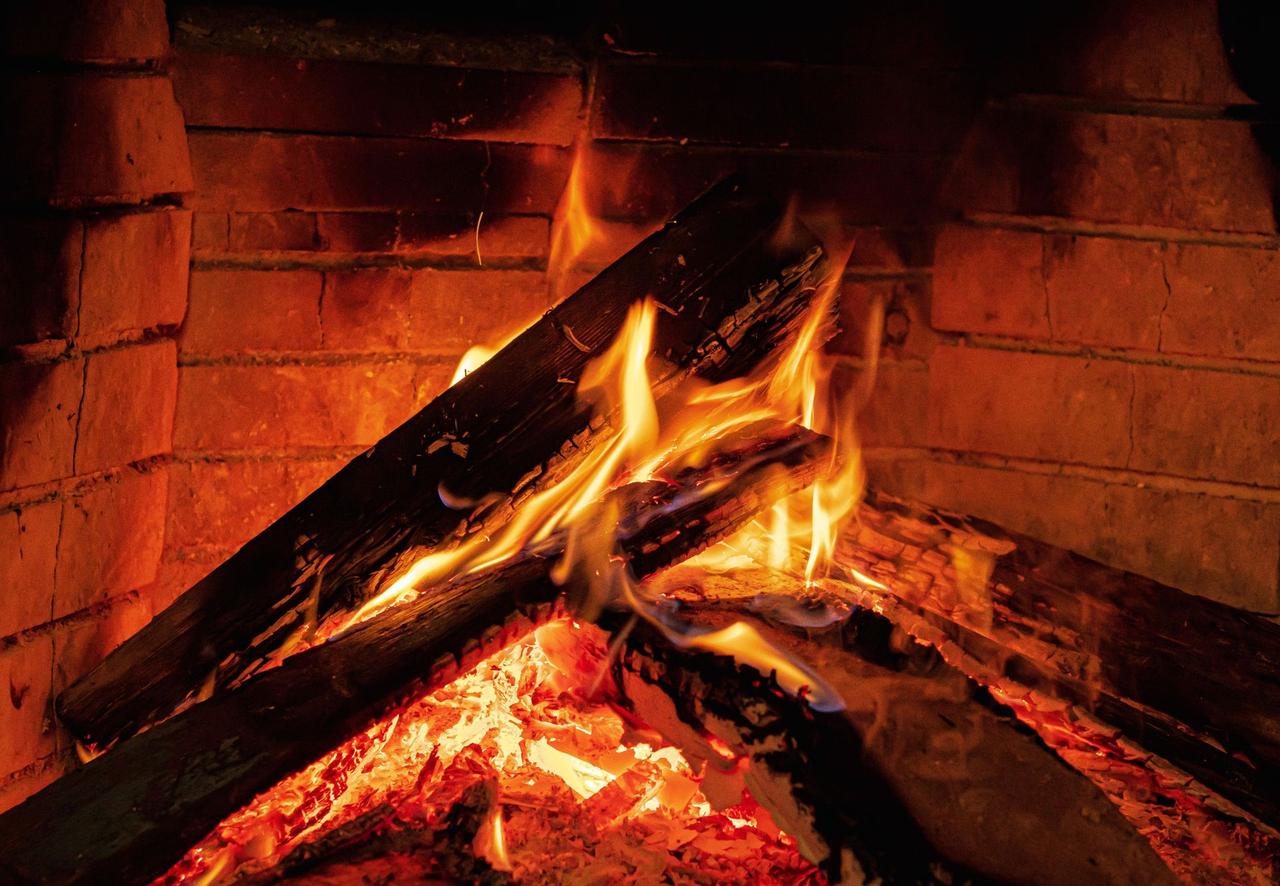
A fryer fire on Thanksgiving is a covered-peril question, a deck question and a where-do-we-sleep question all at once.
Free quote from TAP Insurance Agency — call (800) 666-2254 or text QUOTE to (817) 646-6700.
Picture a family hosting Thanksgiving in a North Texas backyard. The owner sets a turkey fryer on the wooden deck, a little too close to the siding, and a splash of hot oil meets the burner flame. Within a minute the fire has climbed the wall and caught the deck rail. The guests are in the yard, the sides are on the counter, and the question is no longer about dinner.
Most Texas homeowners policies address fire as a covered peril, so a fryer fire that damages the house, the deck and the belongings inside is generally the kind of loss the policy is built for. The details sit in different parts of the policy, though, and each part has its own limit. Your policy form has the final word. Think of it as one fire with several different coverage conversations attached to it.
Does Texas homeowners insurance cover a turkey fryer fire?
Fire is a covered peril on most homeowners forms. What usually matters is that the fire was sudden and accidental, and the cause, whether a stove, a space heater or a fryer, is generally less important. Some policies add conditions or exclusions, so check the language rather than assuming. Insurers and fire officials alike see the same pattern every November, when outdoor cooking meets a crowded yard and a busy host.
A claim is usually paid in pieces, and every piece can have a different limit and deductible. Even a small fire raises the question of where the family lives during repairs, which has its own coverage part and its own post on our site. Knowing which piece fits which damage keeps the adjuster conversation simple. The Texas Department of Insurance publishes plain-language homeowners guides if you want a neutral reference.
Which part of the policy pays for a burned deck or detached garage?
Dwelling coverage is the part of a homeowners policy that insures the house itself. Many policies treat an attached deck as part of the house, so scorched siding, roof edges and framing generally fall here. Smoke and water damage from the fire department's response are generally part of the same fire claim, though the form decides.
Other structures coverage is the part that insures detached buildings such as a garage, shed or fence. If the fryer sat beside a detached workshop or on a freestanding patio cover, this is the part to look at, and it usually carries a separate limit. Wooden decks tied to the house and freestanding structures can be treated differently, which is why it helps to ask your agent how yours is classified.
Personal property coverage generally responds for patio furniture, the grill, the cooker itself and anything inside the house damaged by smoke. Some policies pay depreciated value and others pay replacement cost, and outdoor items sometimes carry special limits, so look at which one yours uses.
What if a guest is hurt at your Thanksgiving?
A burn to a guest lands in a different part of the policy. Personal liability coverage generally helps with defense and covered damages if someone claims you were responsible, and medical payments coverage often pays a guest's smaller medical bills no matter who was at fault. It is worth knowing the difference, because the two parts work in different ways.
Limits are finite, and a serious burn can run past them. If anyone is hurt, get medical help first, skip the argument about fault, and ask your agent whether a personal umbrella makes sense. Questions about who is legally responsible belong with an attorney. A short note to the agent after a close call is better than silence.
Where does the family stay while repairs are made?
If the fire leaves part of the house unlivable, many policies include loss of use coverage, also called additional living expense, for the extra cost of staying somewhere else. It generally pays the increase over your normal costs, within a dollar limit and a time period, so keep hotel and meal receipts. The clock starts on the day the house becomes unlivable, not the day the claim is paid.
Fall is also a good moment to look over the rest of the house, and a cold-weather home insurance checklist is a handy way to do it before the first hard freeze and the first fire in the fireplace. Many Texans find the first cold front is a natural reminder to check smoke alarms and extinguishers, which pairs well with the holiday cooking season.
What should you do in the first hour after a fire?
Safety comes before paperwork. Get everyone away from the house, call 911, and leave firefighting to the fire department if the flames are spreading. Fire officials generally warn that water on a grease fire can make it worse, so do not reach for the hose. Take a headcount, and let the firefighters tell you when it is safe to go back in.
Once the scene is cleared, take photos and video before anything is moved, write down what was damaged, and keep receipts for emergency costs like boarding up or a hotel. Then call your agent or the carrier's claim line to report the loss promptly. Many policies expect prompt notice, and a quick call also lets the agent tell you what to expect next.
Hold on to damaged items until the adjuster has seen them, and think twice before signing a repair contract the same day. A few calm hours usually save headaches later. It also helps to keep a simple home inventory on your phone, which makes the personal property list far easier to build.
How do you lower the risk before the holiday?
This is general safety, not fire-code advice. Fire officials commonly caution that deep-frying a turkey carries real fire risk, and many families use the fryer outdoors on level ground well away from the house, deck, garage and low branches, never inside a garage or on a wooden deck.
A fully thawed, well-dried bird is far less likely to make hot oil spit, and the cooker should never be left unattended. Keep children and pets back, keep a fire extinguisher rated for grease nearby, and test the smoke detectors before the guests arrive. None of this is a promise, but each step cuts down the chance that the holiday becomes a claim.
TAP Insurance Agency is an independent agency that shops multiple markets, so we can compare homeowners options for you and explain how fire, other structures and liability coverage are set up on each one. When you are ready, you can get a home insurance quote and we will walk through the details together.
Call (800) 666-2254 or text QUOTE to (817) 646-6700 · tapinsuretx.com
Educational only; coverages and availability vary by carrier. TAP Insurance Agency, PLLC — Rhome, TX, licensed in Texas and Oklahoma.
— TAP Insurance Agency · Call (800) 666-2254 — or text QUOTE to (817) 646-6700 · tapinsuretx.com