If you opened your latest auto renewal and the number jumped again, you're not alone. All over Dallas–Fort Worth, drivers with spotless records, zero claims, and the same car in the driveway are watching their premiums climb. It feels personal. It almost never is.
Here's the plain-English version of what's happening to car insurance in North Texas in 2026, why a clean driving record doesn't shield you from it, and the moves that actually bring your number back down.
Your record is only part of the price
Your driving history is one of the biggest rating factors an insurer looks at — but it's a slice of the pie, not the whole pie. Every carrier files base rates with the Texas Department of Insurance for entire territories and vehicle classes. When a company's claims costs in the DFW area rise, it files for a higher base rate, and that increase lands on every policyholder in the territory — the folks with tickets and the folks without. A clean record still earns you a better price than your neighbor with two at-fault accidents. It just can't exempt you from what's happening to the whole market.
What's really pushing DFW rates up
Repair bills have outrun inflation
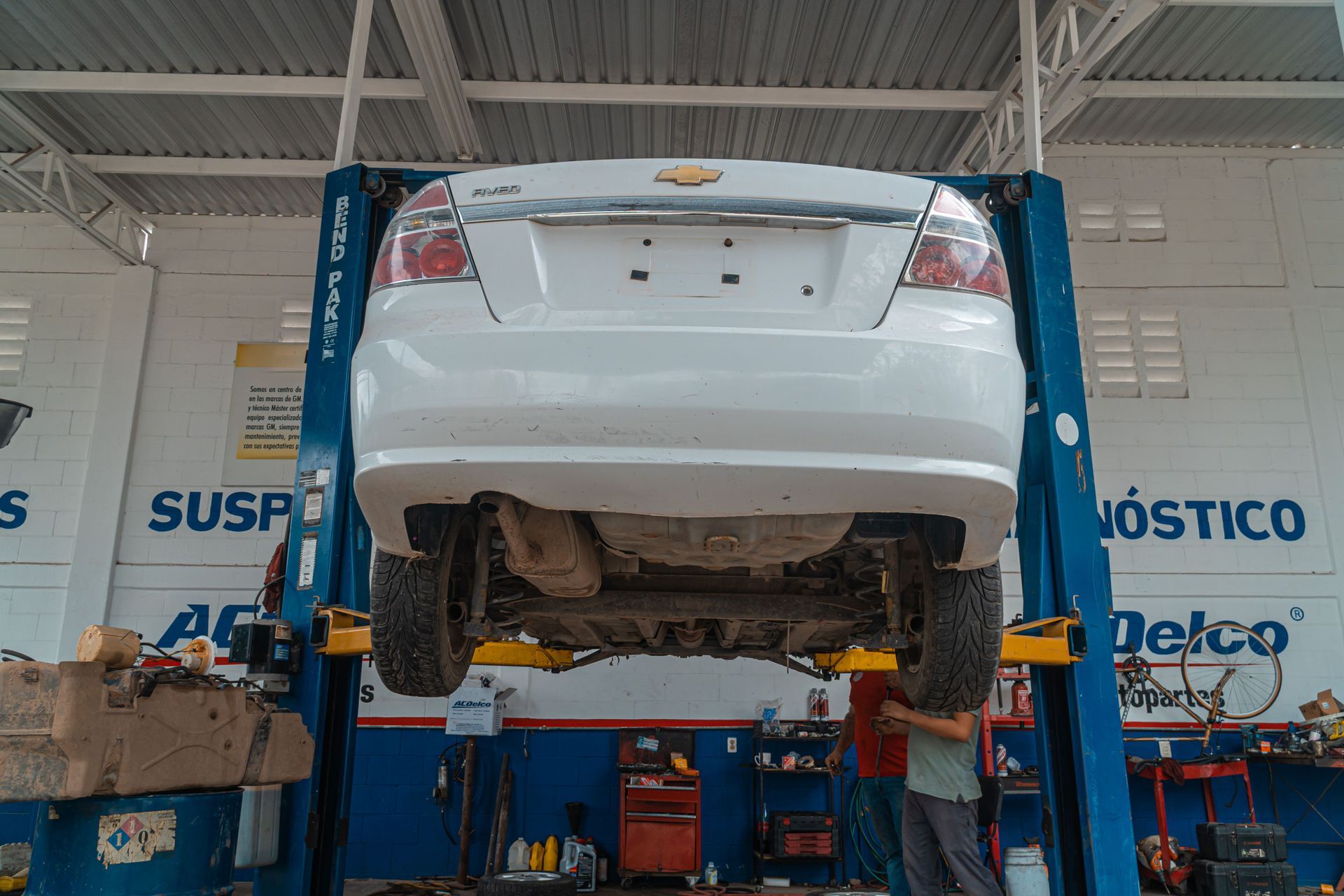
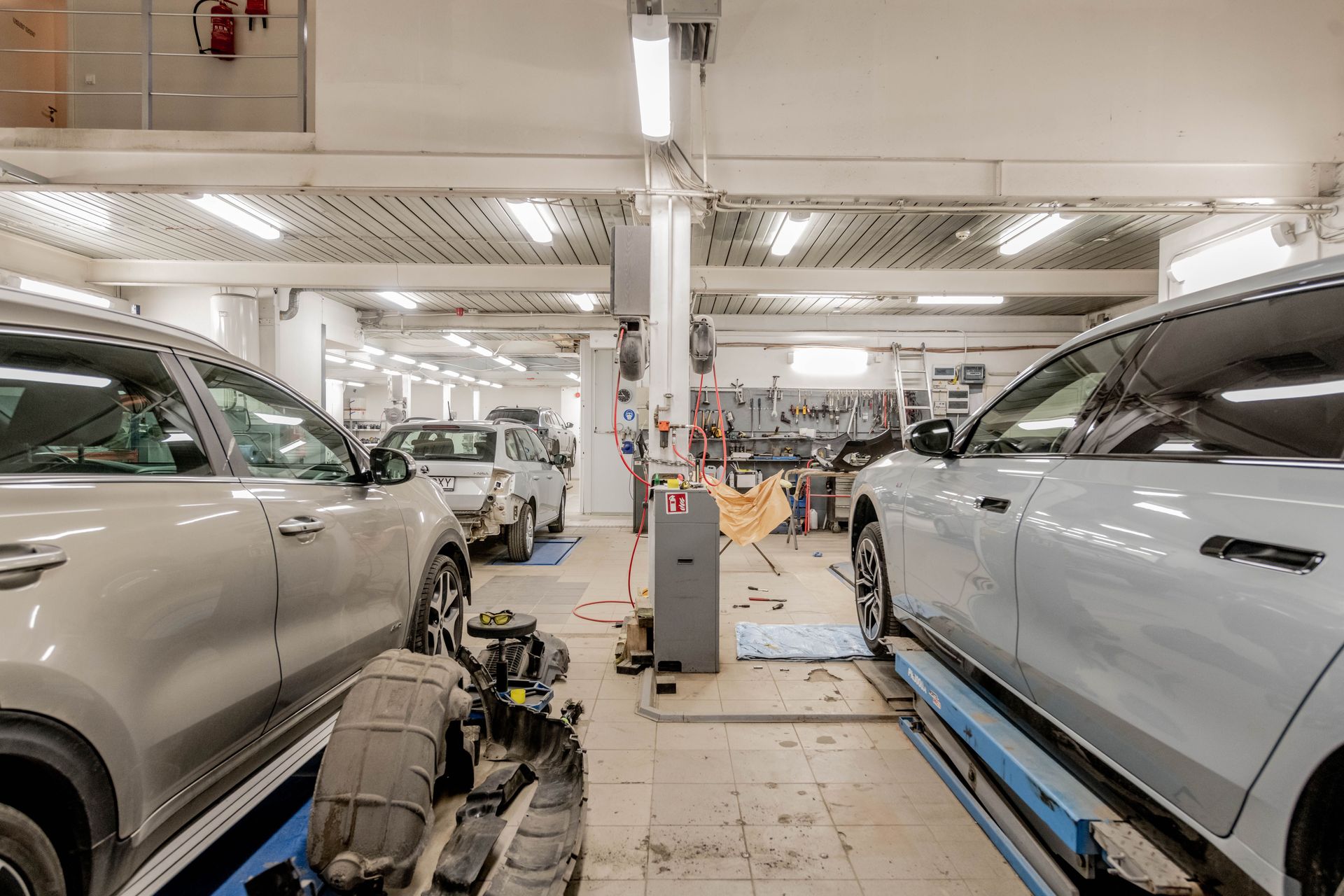
The average fender-bender costs far more to fix than it did five years ago. Bumpers hide radar sensors and cameras. Headlight assemblies that used to cost a couple hundred dollars now run four figures. Aluminum panels, ADAS recalibration after a windshield swap, longer shop times, and pricier parts all flow straight into claim payouts — and claim payouts are what premiums are built on.
Hail and severe weather
North Texas sits in one of the most hail-battered corridors in the country, and comprehensive claims from spring storms have been brutal for carriers writing in Wise, Denton, and Tarrant counties. Even if your own car has never taken a hailstone, the storm risk in your ZIP code is priced into every policy written here.
Uninsured drivers
Roughly one in seven Texas drivers carries no insurance at all. When an uninsured driver causes a wreck, the costs don't vanish — they shift to everyone who does pay, through uninsured motorist claims and higher overall losses. It's also exactly why we tell clients not to drop
uninsured motorist coverage to save a few dollars: it's the coverage protecting you from the problem that's raising your rate.
Bigger medical bills and bigger settlements
Injury claims are settling higher across Texas. Medical costs keep climbing, attorney involvement in auto claims is up, and outsized jury awards that started in commercial trucking have pulled settlement expectations upward across the board. Liability coverage — the part of your policy that pays other people — is where much of the increase lives.
What doesn't work
Two tempting shortcuts usually backfire. Cutting your liability limits to the state minimum saves less than people expect and leaves you badly exposed in a state where a single ER visit can blow past 30/60/25 limits. And letting the policy quietly auto-renew year after year is how loyal customers end up paying the most — carriers know renewal inertia is real, and the market moves whether you look at it or not.
What actually works in 2026
First, re-shop the policy — properly. Different carriers are hungry for different drivers, and the company that priced you best three years ago is often not the one that prices you best today. This is the core advantage of an independent agency: one conversation, multiple carriers quoted, no loyalty penalty.
Second, make sure you're getting every discount you've earned. Payment method, paperless billing, homeownership, good students, defensive-driving courses — the list of
discounts DFW drivers forget to ask about is longer than most people think, and they stack.
Third, update the facts your rate is built on. If you started working from home or changed jobs,
your daily commute may be shorter than what's on file — and mileage matters. If you're carrying full comprehensive and collision on a 12-year-old commuter worth a few thousand dollars, run the math on your deductibles.
Finally, ask about bundling. Pairing auto with home or renters coverage typically unlocks meaningful savings on both sides of the package.
How Texas rules shape your bill
A quick refresher helps the renewal letter make sense. Texas requires minimum liability limits of 30/60/25 — $30,000 in bodily injury coverage per person, $60,000 per accident, and $25,000 for property damage. Those numbers were set years ago, and they haven't kept pace with what a hospital stay or a totaled late-model truck actually costs in 2026. Texas is also an at-fault state, which means the driver who causes the wreck — and that driver's insurer — pays. Carriers must offer you uninsured motorist and personal injury protection coverage, and unless you reject them in writing, they're part of your policy. Those aren't upsells; they're the pieces doing the quiet work when the other driver has nothing.
Timing your re-shop
The best window to shop is about thirty to forty-five days before your renewal date. That's when carriers can quote your true renewal picture, and it leaves time to move without a coverage gap or a cancellation fee. Mark it on the calendar the day your renewal packet arrives: if the new number stings, you have weeks — not days — to do something about it. And if you've had a life change since last year — new address, new job, a teen driver coming onto the policy, a car paid off — bring it up. Any one of those can move the quote more than people expect, in either direction, and it's far better to price it on purpose than to discover it at claim time.
Let us do the shopping
At TAP Insurance Agency, this is the whole job: we watch the North Texas market so you don't have to, and we re-shop your coverage across multiple carriers when your renewal stops making sense. No call centers, no starting over with a stranger — just a local team in Rhome that knows what DFW rates are doing because we quote them every day.
If your renewal came in higher and nobody can tell you why, let's take a look together. Call or text (800) 666-2254 or visit tapinsuretx.com for a free quote — it costs nothing to find out whether your clean record is worth more somewhere else.
TAP Insurance Agency · Rhome, TX — proudly serving Dallas–Fort Worth and all of North Texas. Licensed in Texas and Oklahoma.