If you own property around Rhome, Boyd, Decatur, or Bridgeport, odds are the house is not the only thing standing on your land. There is a shop out back. A hay barn. A loafing shed, a well house, a couple thousand feet of pipe fence, maybe a detached garage where the side-by-side lives. All of it cost real money to build. Almost none of it gets a second look when folks buy a homeowners policy.
That is a problem, because those buildings are insured under a completely separate part of your policy, with its own separate limit. It is called Other Structures coverage, and on most Texas homeowners forms it shows up as Coverage B. Here is how it works, where Wise County owners typically come up short, and what to check before the next storm rolls through.
What Other Structures coverage actually covers
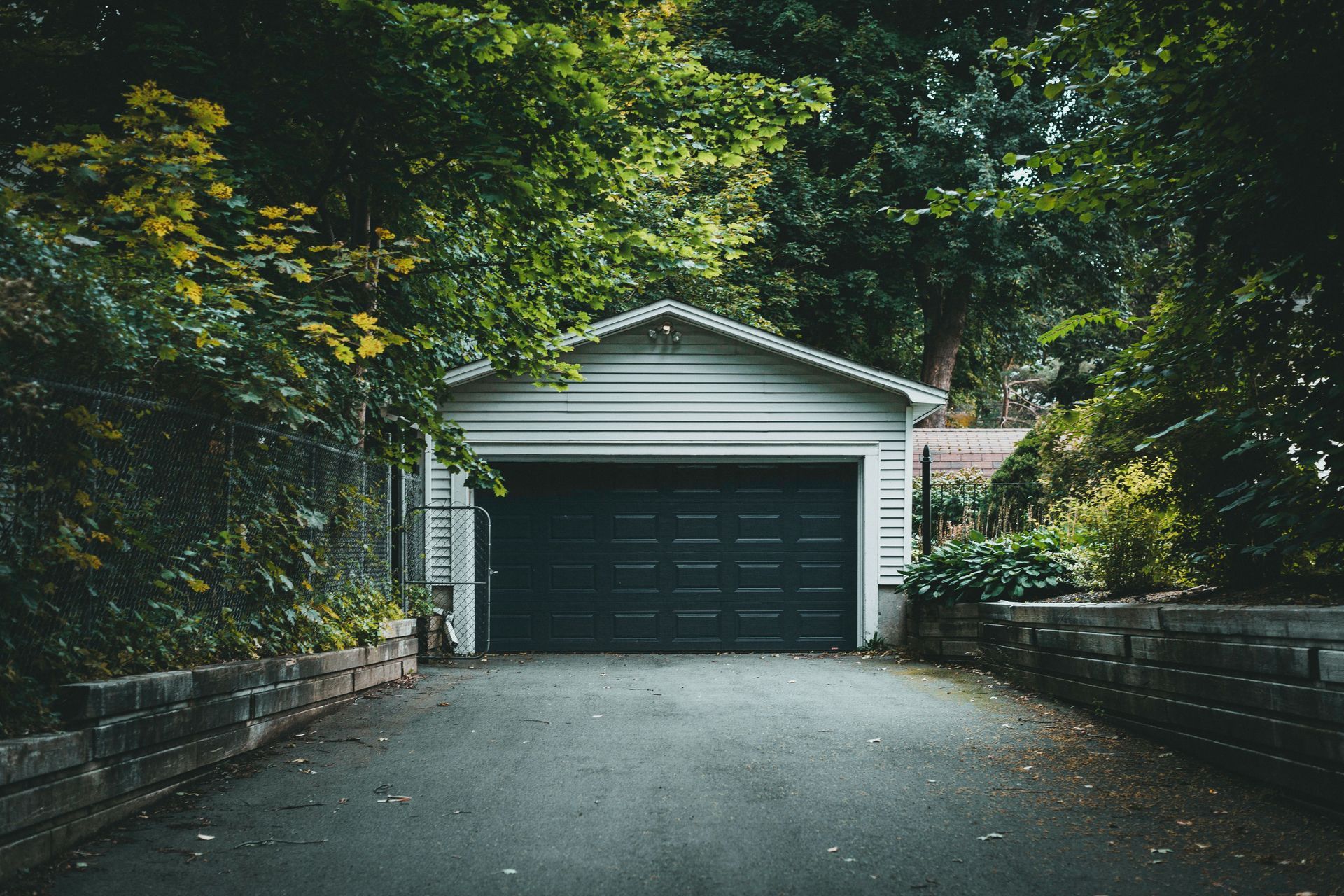
Coverage A on your homeowners policy insures the dwelling itself. Coverage B insures structures on the same property that are separated from the house by clear space, or connected only by a fence, utility line, or similar connection.
In plain English, if it sits on your lot and it is not attached to the house, it usually falls under Coverage B. Common examples on North Texas properties include:
- Detached garages and carports
- Barns, loafing sheds, and equipment shops
- Storage buildings and portable buildings on a foundation
- Fences, including pipe fence, wood privacy fence, and cattle panel
- Driveways, sidewalks, and retaining walls
- Well houses, pump houses, and septic components
- In-ground pools, pool cages, gazebos, and pergolas
- Flagpoles, light poles, and mailbox structures
An attached garage is not Coverage B. It is part of the dwelling and falls under Coverage A. That single distinction changes how a claim gets paid, so it is worth knowing which category each building on your place belongs to.
How much Coverage B do you actually have?
This is where most people are surprised. Other Structures is almost never a number you picked. It is a percentage of your dwelling limit that the carrier set automatically, and on standard Texas forms that percentage is commonly 10 percent.
So if your home is insured for 350,000 dollars, your Other Structures limit is likely 35,000 dollars. That is the total for every detached structure on the property combined, not per building.
Now price out what is actually sitting out there. A 30 by 40 metal shop with a concrete slab can run 40,000 to 60,000 dollars to rebuild at current North Texas construction costs. Add 1,200 feet of pipe fence, a well house, and a covered RV pad, and a 35,000 dollar limit is not close. If a hailstorm or a grass fire takes out multiple structures at once, you eat the difference.
Where Wise County owners come up short
A few patterns show up again and again when we review policies out here:
- The shop was built after the policy was written.
Coverage does not update itself. A building that went up two years ago is still being insured against a limit set before it existed.
- Fence footage is badly underestimated.
Owners think of fence as cheap. Then they price 2,000 feet of replacement pipe fence and find out otherwise.
- Construction costs moved and the limit did not.
Metal, lumber, and labor have all climbed. A limit that was adequate five years ago may cover half the rebuild today.
- Multiple structures, one shared limit.
People assume each building has its own coverage. It does not.
- Business use went unreported.
Running a welding operation, a dog boarding setup, or storing commercial equipment in that shop can push it outside the homeowners policy entirely.
Fences: the structure nobody thinks about until it is gone
Fence damage is one of the most common Other Structures claims in Texas, and one of the most frustrating. Wind takes down long runs of it. Falling trees flatten sections. Grass fires eat wood posts. And because fence is spread across the property, one event can damage hundreds of feet at once.
Two things to check. First, whether your policy pays replacement cost or actual cash value on fencing, because depreciation on an older wood fence can gut a settlement. Second, whether your total Coverage B limit could absorb a full fence replacement on top of damage to a building. Fire is a particular concern here. We wrote more about that in our guide to burn bans and grass fires in Wise County.
When a detached structure is not covered at all
Coverage B has exclusions worth knowing before you file a claim rather than after:
- Structures used for business.
If you rent the barn out, run a commercial operation from the shop, or store inventory in it, the homeowners policy may not respond. That exposure usually belongs on a commercial or farm policy.
- Structures rented to others.
A guest house rented to a tenant is generally excluded unless it is used solely as a private garage.
- Land and landscaping.
The dirt itself is not covered, and trees, shrubs, and plants are handled under a separate, usually small, sublimit.
- Flood.
Just like the house, flood damage to a detached structure requires a separate flood policy.
These are the kinds of gaps that only surface at claim time. We walk through several more in 5 coverage gaps hiding in your North Texas homeowners policy.
Wind, hail, and your deductible
North Texas leads the country in hail claims, and metal buildings take a beating. A few points that matter for detached structures specifically:
- Many Texas policies carry a separate percentage deductible for wind and hail. On a 350,000 dollar home, a 2 percent wind and hail deductible is 7,000 dollars, and it applies to Other Structures losses too.
- Some carriers apply an actual cash value schedule to roofs, including barn and shop roofs. If your roof is on an ACV schedule, age drives the payout. Our post on roof age and Texas homeowners insurance
covers how that works.
- Cosmetic damage exclusions are increasingly common on metal buildings. Dented but functional panels may not be paid.
A 10-minute check you can do this week
- Pull up your declarations page and find the Coverage B or Other Structures limit.
- Walk the property and list every detached structure, plus total fence footage.
- Estimate current replacement cost for each item, not what you paid for it.
- Add it up and compare it to your Coverage B limit.
- Check your wind and hail deductible and whether roofs are on an ACV schedule.
- Flag anything used for business, rented out, or built after the policy started.
If the total comes in higher than the limit, the fix is usually straightforward. Most carriers will let you increase Coverage B beyond the automatic percentage, and on many policies the added premium is modest compared to the exposure it closes. Some structures are better scheduled individually.
Let us take a look at yours
TAP Insurance Agency is an independent agency based right here in Rhome. We shop multiple carriers, which means we can compare how different companies treat Other Structures, fencing, and metal buildings instead of taking the first answer we get. If you have a shop, a barn, or a lot of fence on your place, a quick policy review is worth the time.
Call or text us at (800) 666-2254, or visit tapinsuretx.com
for a free quote. We are licensed in Texas and Oklahoma and we know what it costs to rebuild out here.