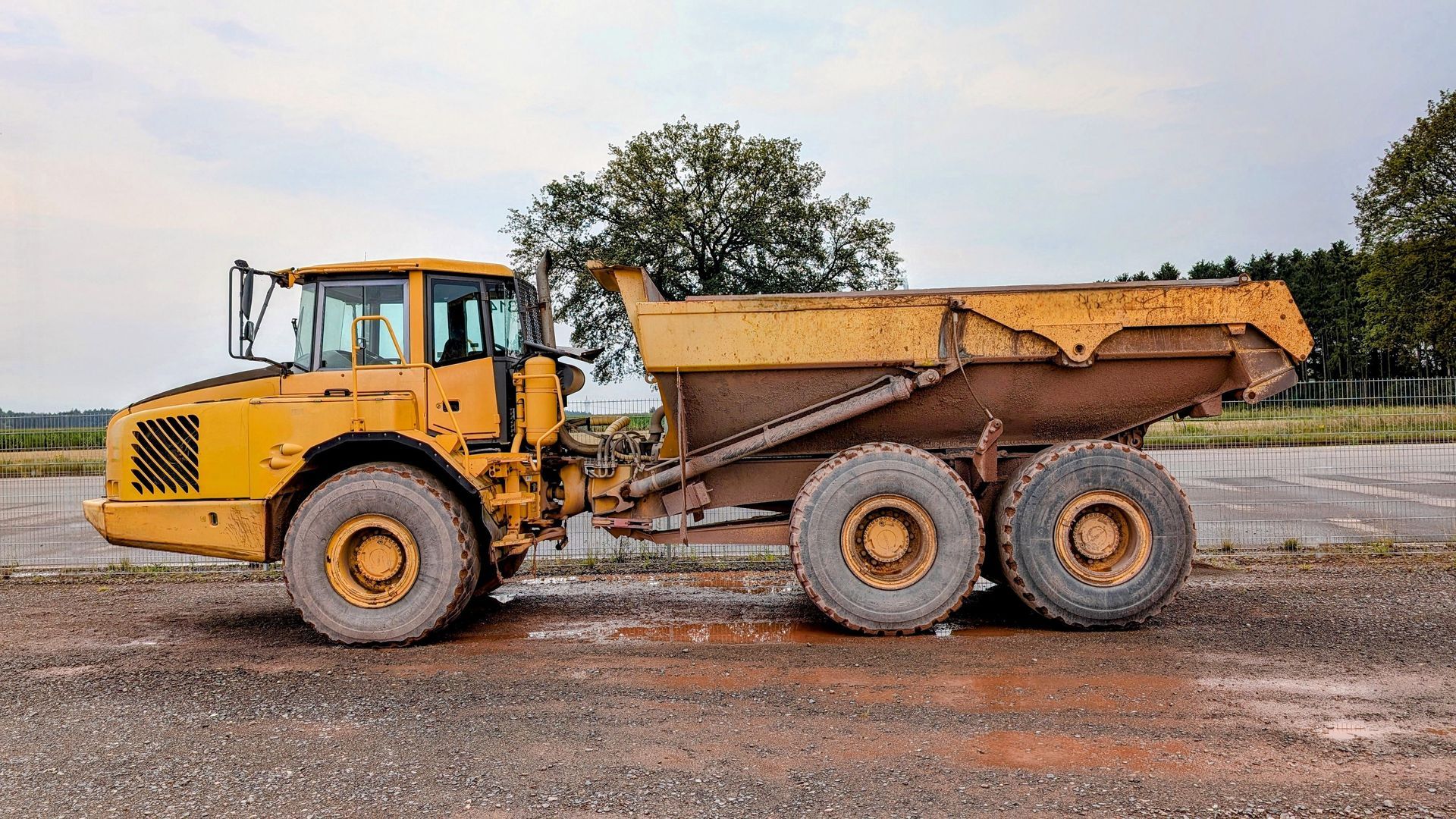
You bought a tandem-axle dump truck, lined up a couple of steady aggregate runs out of a pit west of Decatur, and then found out the hard way that half the carriers who write general freight will not touch you. That is not bad luck. Dump trucks sit in a class of their own, and the agent or carrier who does not understand why will either overprice you or sell you a policy with a hole in it.
Here is how dump truck insurance in Texas actually works, what belongs on the policy, and where the gaps hide.
Why underwriters treat dump trucks differently than freight
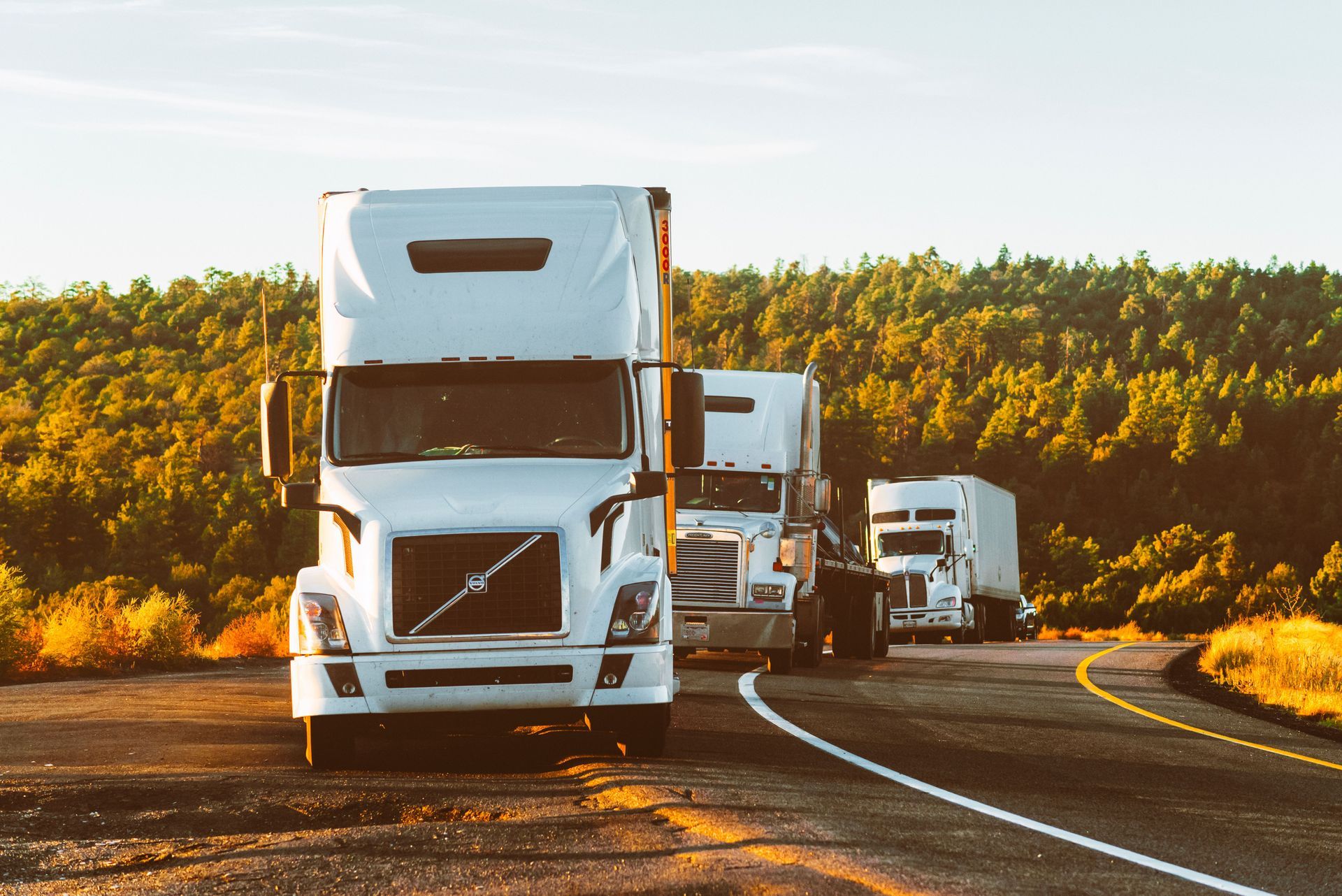
A long-haul freight truck runs highway miles at steady speed with a sealed trailer. A dump truck does something almost entirely opposite: short radius, heavy cycles, loaded one direction and empty the other, in and out of a pit or jobsite a dozen times a day. More stops and starts, more turns, more time off pavement — and every one of those is a loss opportunity.
Then there is the physics. A loaded dump body puts the center of gravity high, which makes overturns a real and frequent claim type, especially on soft shoulders and unimproved jobsite approaches. Raise the bed on uneven ground and the truck can go over on its own with no other vehicle involved.
And the one that costs the most: overhead power line strikes. A raised bed catching a service line is a catastrophic-severity claim that can involve utility damage, third-party injury and business interruption for everyone on that circuit. Underwriters price for that possibility whether or not you have ever come close to one.
If you run straight trucks instead of vocational dump units, the coverage conversation is genuinely different — our
box truck insurance guide covers that side of the market.
The coverage stack a Texas dump truck operation actually needs
Commercial auto liability and the filing question
This is the foundation, and the required limit depends on where you run. If you cross state lines under your own authority hauling non-hazardous property in a vehicle rated over 10,001 pounds, FMCSA sets the federal minimum financial responsibility at
$750,000 under 49 CFR 387.9, and your carrier files proof of it on your behalf.
If you stay entirely inside Texas, you are under the TxDMV intrastate scheme instead. TxDMV publishes a schedule that is tiered by weight, commodity and passenger capacity, and for general intrastate carriers running units over 26,000 pounds it currently sits at
$500,000 combined single limit under TxDMV rule (43 TAC §218.16). Confirm the current figure with TxDMV when you file — the schedule is set by rule rather than statute, so the agency can move it without a legislative session, and hazardous or specialty commodities sit in higher tiers.
Those are floors, not recommendations. A power line strike or a loaded overturn into an occupied vehicle can run well past either number, and most contractors who hire you will require more than the state minimum anyway.
Physical damage on a high-value unit
A newer tandem or tri-axle with a good bed is a serious asset, and physical damage coverage is what repairs or replaces it after a collision, overturn, fire or theft. The detail that matters is valuation — actual cash value (ACV, meaning depreciated value at the time of loss) or an agreed value you and the carrier set up front.
On an older truck you have maintained well, ACV can land far below what replacing the unit would actually cost you. Have that conversation before a claim, not after.
Motor truck cargo when the cargo is dirt
Motor truck cargo covers the load you are hauling. Aggregate claims look different from freight claims: nobody files a big cargo claim over spilled gravel, but they do when a load ends up in the wrong place, contaminates a site, blocks a roadway or has to be cleaned off a highway.
Removal and cleanup expense is often the real exposure on a dump policy, and it is not always included by default. Ask specifically how the form handles debris removal and cleanup on a spilled load.
General liability and the jobsite
Commercial auto responds to what happens because of the truck. General liability responds to the rest of your presence on a jobsite — damage to a customer's driveway, an injured bystander, property damage that is not auto-related.
Watch the completed operations piece too. If you place fill or base material and the compaction or grade later fails, that allegation lands somewhere other than your auto policy, and whether your GL form picks it up depends on the wording.
Workers comp and the Texas non-subscriber wrinkle
Texas is the only state that does not require private employers to carry workers compensation. You can legally go without it as a non-subscriber — but doing so gives up the exclusive remedy protection that comp provides, which means an injured employee can sue you directly in a way they generally cannot when you carry it.
General contractors also routinely require comp certificates before they let you on site, and losing bids over a missing certificate is a real cost. Most dump operators we work with carry it for that reason alone, well before the liability math enters into it.
Inland marine for the loader and the trailer
If you also own a skid steer, a loader, or a lowboy you move equipment on, that gear is generally not covered by your auto policy while it is sitting on a jobsite. Inland marine — coverage for movable equipment away from a fixed location — handles it, including theft off an unsecured site, which is a live problem across North Texas.
The gaps that show up after a claim
These are the ones that surprise people, and every one comes down to reading the form:
- Cargo forms that exclude dirt, sand and gravel. A standard motor truck cargo form written for general freight sometimes carves out unpackaged bulk commodities outright, or sublimits them so low the coverage is decorative.
- Physical damage exclusions while the bed is raised. Some forms restrict or exclude damage that occurs while the dump body is elevated — which is precisely when overturns and power line strikes happen.
- Off-road and jobsite exclusions. If a policy is written for on-highway operation, loss while operating off a public road may not respond the way you assume.
- No hired and non-owned auto. The moment you sub out an overflow load to another truck, you have created an exposure your owned-unit policy was never written to handle.
What underwriters ask for, and what actually moves the outcome
Expect to produce motor vehicle records (MVRs) on every driver, CDL experience and years-in-class, your radius of operation, the commodities you haul, your DOT and MC numbers, loss runs, and a schedule of vehicles with VINs and values.
What actually moves a quote is narrower than most operators expect. Clean MVRs and experienced CDL holders move it. A tight, honest radius moves it. Your FMCSA safety data — inspection and violation history under CSA — moves it.
Driver turnover moves it more than almost anything else, because a carrier reads high churn as a fleet full of drivers nobody has evaluated yet.
If you are running on new authority
New authority is the hardest spot in this market, and it is not because anyone thinks you are a bad operator. Carriers price on verifiable history, and a brand-new DOT number has none.
Two things help. Document your own experience even if the company is new — years driving, prior employers, prior fleets you ran. And get through your FMCSA new entrant safety audit cleanly while keeping your MCS-150 current, because that record becomes the history your next renewal is priced on. Expect year one to be the expensive year.
What this looks like in Wise, Denton and Parker counties
Out here the work is aggregate. Sand and gravel pits, base material for pad sites, road base for county work, and the steady demand that comes with DFW pushing north and west through Denton and Parker counties. Some operators also run sand west toward the oil patch, which changes the radius question and sometimes the carrier appetite along with it.
The mix matters to your policy. Short-radius county hauling, metroplex commercial construction and long sand runs west are three different risk profiles, and the operator doing all three should not be rated as if they only do one. That is the kind of nuance a broad
commercial vehicle insurance program should reflect, not average away.
Let's put a program together
If you run dump trucks anywhere in Texas — one truck or a yard full — the right next step is a conversation with someone who knows how these accounts get underwritten. Call Nate at TAP Insurance Agency at
(800) 666-2254, or text QUOTE to
(817) 646-6700 if that is easier during the workday.
You can also start a
commercial vehicle insurance quote online and we will pick it up from there. Bring your vehicle schedule, driver list and loss runs if you have them, and we will tell you straight where your current program is thin.