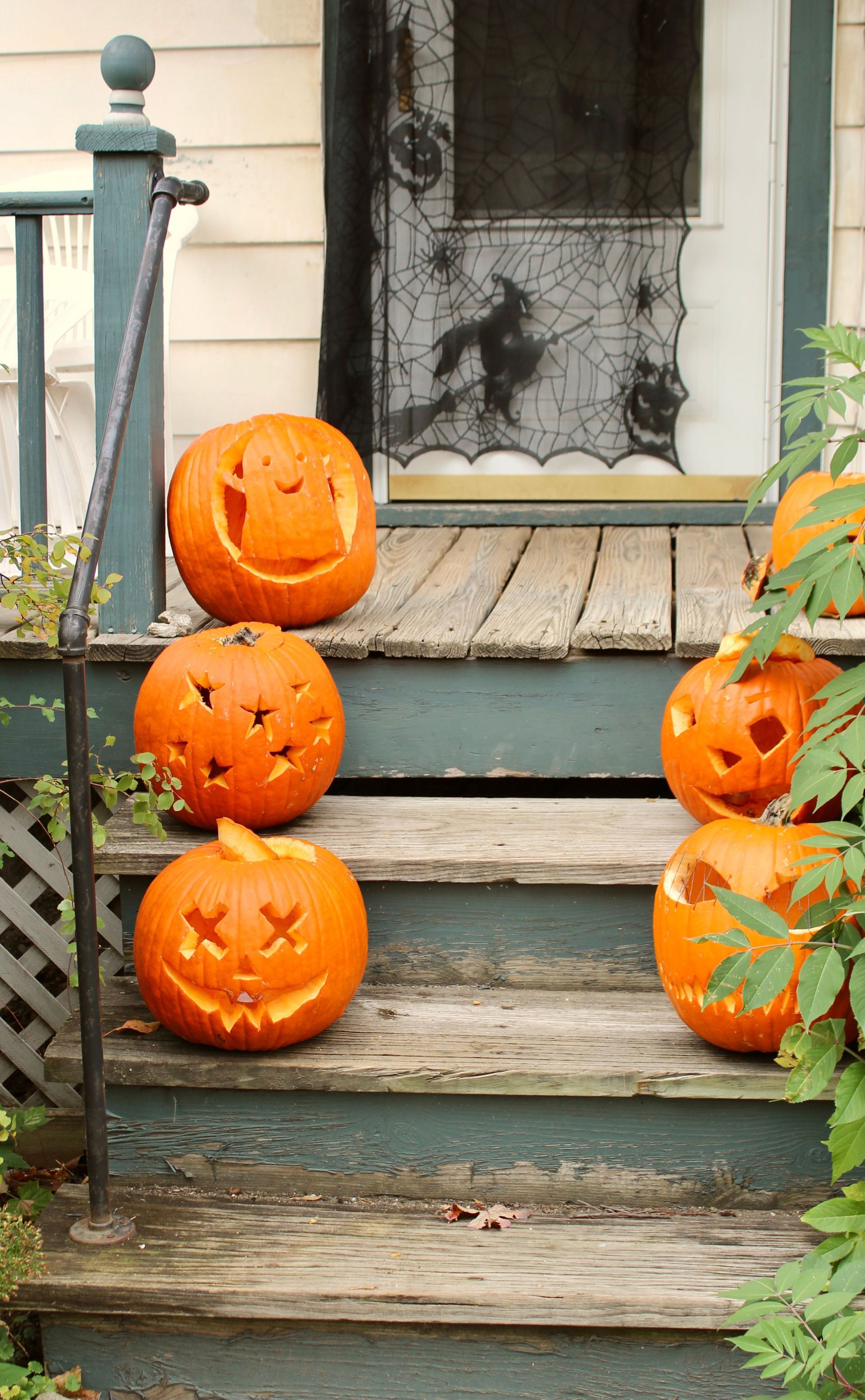
Picture a family in Rhome that goes all out on Halloween. Cobwebs across the porch rail, candles in jack-o-lanterns on the steps, a fog machine, an extension cord run across the walkway, and a friendly heeler who loves every visitor. Two hundred children come up that walk in three hours, most of them in costumes that make it hard to see their feet. Nobody is planning a claim, but a lot of things can go wrong in the dark.
Here is the direct answer. If a trick-or-treater trips on your steps and is hurt, the personal liability coverage on a standard homeowners policy generally responds, paying for defense and for damages you are legally responsible for, up to the policy limit. Where the answer gets less simple is with pets, with anything you charge admission for, and with the way you decorate.
What personal liability covers on your own porch
Liability coverage is the part of a homeowners policy that pays when someone else is injured on your property, or when you or a family member accidentally damage something that belongs to someone else. A child who slips on a wet step, trips over a cord, or bumps into a decoration and needs stitches is the classic example. The policy typically covers the medical claim against you and the cost of a lawyer to defend it.
Most policies also include a small medical payments to others coverage. It pays modest medical bills for a guest hurt at your home regardless of fault, and it is meant to settle small incidents without a lawsuit. It is not a substitute for liability, and its limit is low.
Organized events are a different animal. If you are hosting something bigger than a porch light, such as a neighborhood trunk-or-treat, treat it like
a community event: an organized event can carry its own insurance, which we covered in our post on booster clubs and Friday night liability, and the question is the same. Who is responsible for the people who show up?
Where the fine print starts
The dog. A dog bite is one of the most common liability claims a homeowners policy sees, and some carriers exclude certain breeds or a dog with a bite history. If the family dog will be at the door, ask whether your policy has a dog exclusion. Keeping a dog off the porch on Halloween night is the simplest risk control there is.
A haunted house you charge for. A free walk-through of your garage is a neighborly thing. Charging admission or taking donations at the door can turn it into a business activity in the eyes of some policies, and business activities are commonly excluded from homeowners liability. If you plan anything beyond handing out candy, call before the night, not after.
Candles and fog. Open flame near dry decorations is a fire risk to your home, and fire damage to your house falls under a different part of the policy than liability. It also puts visitors near the danger. Battery candles remove the problem, and cost very little.
An adult party. If guests are drinking at your house and someone leaves impaired, liability questions can follow. Policies differ, and Texas law treats serving minors very differently from serving adults. Talk to an agent before a party if alcohol is involved.
When the limit matters more than the deductible
Most claims from a trick-or-treat night will be small. The rare serious injury is the one that tests your limit. A standard homeowners policy carries a set liability limit, and if a claim runs past it, the difference can reach your savings. That is the case for looking at
umbrella coverage, which sits on top of your home and auto liability and adds another layer of protection above the limits on those policies.
Whether you need that extra layer depends on what you own and what you have to lose. A good agent can help you decide without pushing a product you do not need.
Decorations, pranks and your own property
Liability is about other people. Your own decorations fall under a different part of the policy, the personal property coverage. Theft of a yard display or damage from a prank is usually covered as vandalism or theft, subject to your deductible, which is often larger than the value of the decoration. In practice, most families absorb a smashed pumpkin or a stolen inflatable and never file a claim.
The bigger property risk is something that goes wrong with the decoration itself: a cord overheating, a candle igniting a hay bale, a fog machine near a smoke alarm. Those are fire questions, and they are the reason a few minutes of planning beats any policy language.
If a visitor is hurt
Help first. Call for medical assistance if it is needed, and keep the scene calm. Write down what happened, the time, and who was there while it is fresh, and take a photo of the step or spot where it happened. Do not argue about fault at the door.
Then call your insurer or agent promptly. Reporting an incident does not mean you filed a claim you did not need, and prompt notice is generally a condition of coverage. Do not promise to pay anyone's bills yourself without talking to the carrier first, since that can complicate a later claim.
What you can control before October 31
Light the path from the street to the door, and repair any loose step or board that a child could catch a toe on. Tape or bury extension cords instead of stretching them across the walk. Keep decorations off the steps and out of the path, and clear wet leaves before dark.
Keep the dog inside, and keep pumpkins with real candles away from costumes and curtains.
A quick pre-Halloween checklist
Read the liability section of your homeowners policy, and confirm your limit. Ask about dog exclusions and about anything you plan to charge for. Check that your smoke alarms work, since a costume and a candle are a bad combination. Then enjoy the night, and keep a flashlight by the door.
If you have questions about how your policy handles guests, talk to
an independent agent in Rhome who can compare carriers and explain the differences in plain English.
Call
(800) 666-2254 — or text
QUOTE to
(817) 646-6700 · tapinsuretx.com
Educational only; coverages and availability vary by carrier. TAP Insurance Agency, PLLC — Rhome, TX, licensed in Texas and Oklahoma.