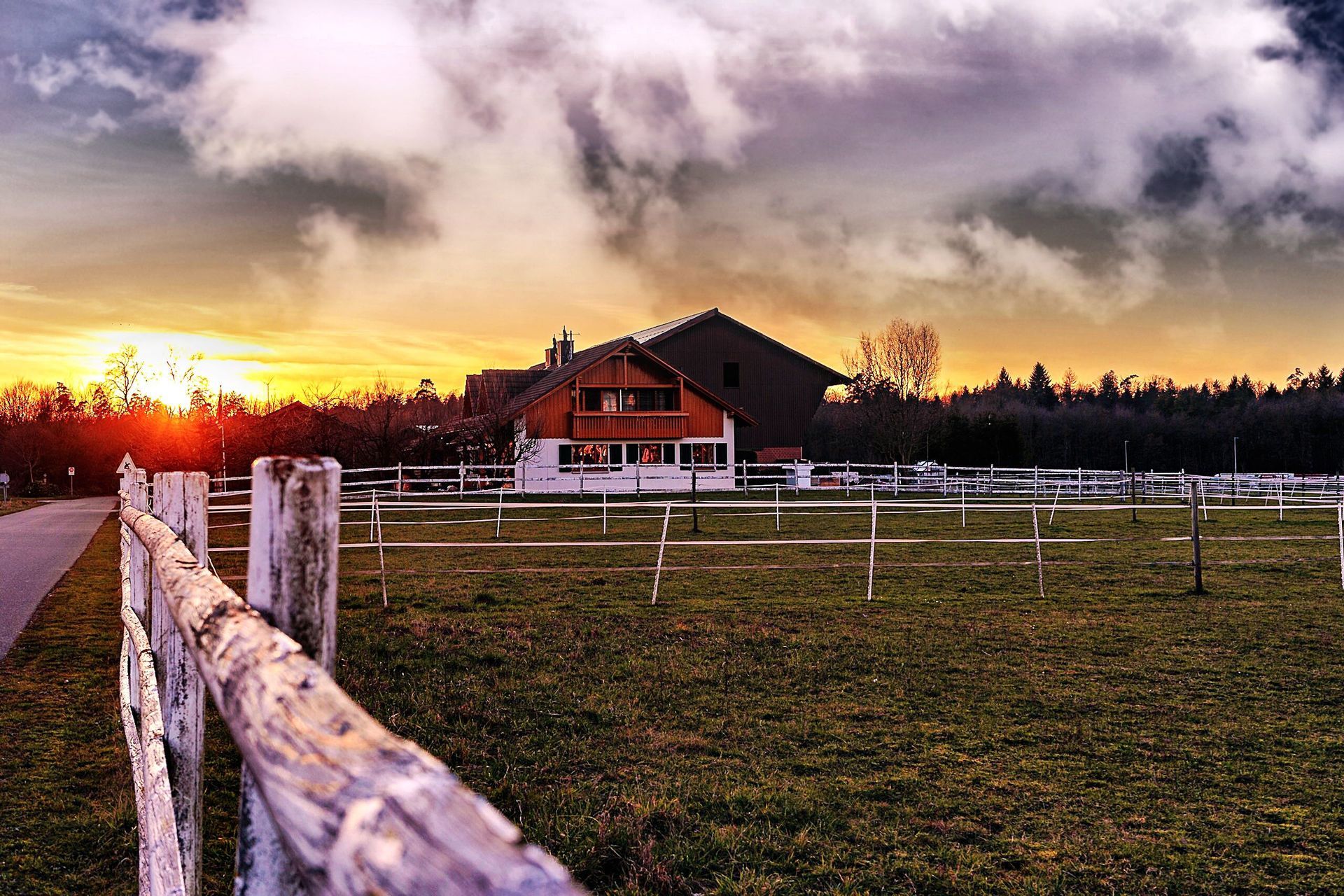
Leasing acreage to a hunting club or individual hunters is one of the most common ways rural Texas landowners turn unused land into steady income — deer, turkey, hog, and dove leases are a regular part of life across Wise, Parker, Hood, and the counties around them. What a lot of landowners don't realize is how much personal liability exposure comes with that lease, and how little of it is automatically covered by a standard homeowners or farm/ranch policy.
Texas's recreational use statute helps — but it has real limits
Texas Civil Practice and Remedies Code Chapter 75, the recreational use statute, does give landowners some legal protection when they open land for recreational activities like hunting. In general terms, it limits the landowner's duty of care toward people using the land for recreation, treating them similarly to a trespasser for liability purposes rather than an invitee owed a higher standard of care.
That protection is meaningful, but it is not absolute. A few situations commonly pull a landowner outside the statute's protection:
- Charging more than a token fee. Once real money changes hands for a hunting lease — which is the entire point of a lease — courts scrutinize the arrangement more closely than a truly free, informal invitation to hunt.
- Gross negligence or a known hazardous condition. If you know about a dangerous condition on the property (an unmarked well, an unstable deer stand, a washed-out road) and don't address or warn about it, that can pierce the statute's protection.
- Injuries unrelated to the "recreational" activity itself. A car wreck on a private lease road, a fall from a deer stand you built, or an ATV accident on a trail you maintain can all raise questions about ordinary premises liability that the recreational use statute wasn't designed to fully resolve.
In short: the statute reduces your legal exposure, it doesn't eliminate it — and it does nothing at all for your own legal defense costs, which can add up fast even in a case you eventually win.
What a hunting lease liability policy actually covers
A dedicated hunting lease liability policy (sometimes written as an endorsement to a farm/ranch policy, sometimes as a standalone product through a specialty market) typically responds to bodily injury and property damage claims arising from hunting activity on the leased property — including firearm-related accidents, falls, and other injuries hunters or their guests sustain while on the land. Depending on the policy, it can also extend to:
- Guest medical payments, which can resolve a minor injury claim before it ever becomes a lawsuit
- Coverage for lease-related structures like deer blinds, feeders, and camp facilities
- Liability tied to ATV or UTV use if that's part of how the lease operates
The single most useful thing to put in writing
Before any hunting season starts, require the hunting club or individual lessee to carry their own general liability policy and name you, the landowner, as an
additional insured on that policy. This is standard practice in the hunting-lease world and it does two things at once: it shifts the first layer of defense to the lessee's carrier, and it gives you a documented paper trail if a claim ever does arise. Your own coverage — whether that's a farm/ranch policy endorsement or a standalone hunting lease liability policy — should sit behind that as a second layer, not as your only protection.
Who this matters for
This is squarely a rural/exurban Texas exposure — the kind of thing that shows up on acreage in
Granbury,
Weatherford, and throughout
Wise County, where family land often does double duty as a working ranch and a lease property during hunting season. If your land also carries significant equipment, structures, or other liability exposure, it's worth asking whether an
umbrella policy is the right way to extend your protection above whatever limits your base farm/ranch policy carries — hunting-related injury claims can involve serious medical costs, and umbrella coverage is often the most cost-effective way to raise your ceiling.
Before you sign this season's lease
A few minutes reviewing your current policy against your lease terms is worth far more than finding out mid-season that a claim falls outside what you're covered for. Bring your current lease agreement (or the draft you're about to sign) and your existing farm/ranch or homeowners declarations page, and Nate can walk through where the gaps actually are.
What an underwriter will ask about your lease
When you ask for a quote on hunting lease coverage, the questions are predictable, and having answers ready turns a two-week back-and-forth into one phone call. Expect to be asked how many hunters the lease allows and whether guests are permitted, the length of the lease term and whether it runs year-round or seasonal, and what structures are on the property — and, importantly,
who built the deer stands and blinds. A stand the lessee brought onto the property sits differently, liability-wise, than one you built and maintain.
You will also be asked whether ATVs or UTVs are part of how hunters get around the lease, whether there are camp facilities where people stay overnight, and whether the lease is in writing. A handshake lease is common in Texas and legally real, but a written lease with an insurance requirement in it is the single cheapest risk transfer available to a landowner — it costs a paragraph.
Do not wait for the season opener
The worst time to sort any of this out is the week before opening weekend, when the lessee has already paid and everyone's attention is on feeders and stands rather than paperwork. Deer season dates are set well in advance; the coverage conversation should happen when the lease is negotiated, not when the first truck pulls through the gate.
Call
(800) 666-2254 for a free quote, or text
QUOTE to
(817) 646-6700. Learn more at
tapinsuretx.com.
TAP Insurance Agency, PLLC — Licensed in Texas and Oklahoma. This article is general information, not legal advice — for specific questions about your lease agreement or a liability claim, consult a licensed Texas attorney.