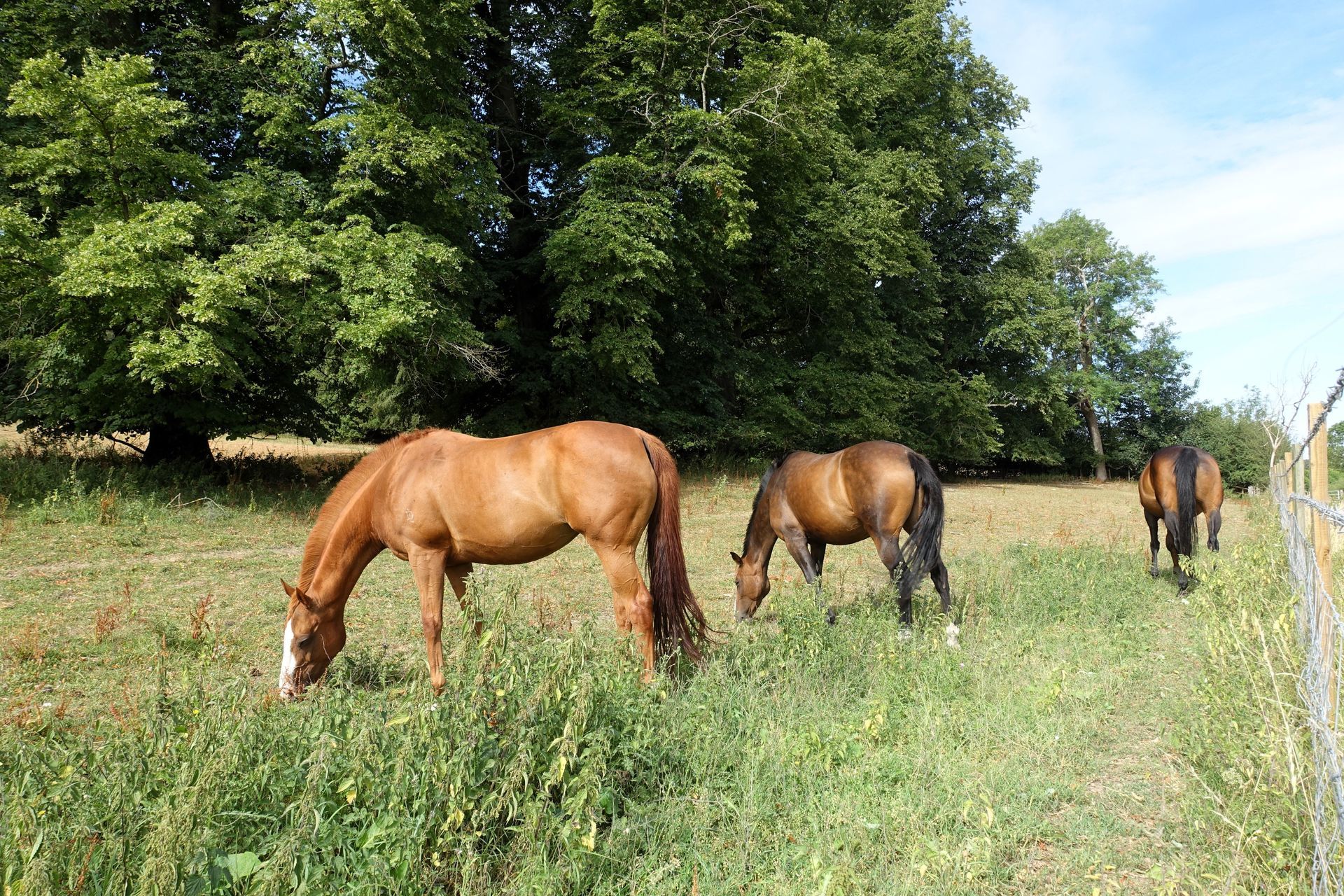
If a horse you own gets loose and causes a car accident on the county road, or a friend gets hurt helping you load a trailer, your homeowners policy is probably not going to step in. Most Texas homeowners and farm/ranch policies either exclude animal liability outright or cap it far below what a real injury claim can cost — and horses are large, unpredictable animals that create exposure most captive insurers simply don't want to underwrite.
Why your homeowners policy leaves a gap
A standard HO-3 homeowners policy is built around the house and the land immediately around it. Once horses enter the picture — whether it's two backyard trail horses or a working herd on twenty acres — you've stepped into "farm use" territory that most residential policies specifically carve out. Common exclusions include:
- Bodily injury or property damage caused by a horse you own, board, or train
- Liability from lessons, trail rides, or any activity where money changes hands
- Barns, run-in sheds, and other outbuildings used to house animals (sometimes covered at a token amount, rarely at replacement value)
- Care, custody, and control exposure if you board someone else's horse
If your property already carries a farm & ranch policy instead of a standard homeowners policy, you're closer to being covered — but "closer" isn't the same as "covered." Many farm/ranch policies still need a specific equine liability endorsement added before horse-related claims are included.
What a proper equine insurance package actually includes
There isn't one single "horse insurance" product — it's really a handful of coverages that get combined based on how you use your horses.
Equine liability coverage protects you if a horse causes injury or property damage to someone else — a spooked horse that damages a neighbor's fence, a bite or kick during a farm visit, or a horse that gets onto the roadway. This is the piece most homeowners policies are missing entirely.
Care, custody, and control (CCC) coverage matters if you board, train, or otherwise take responsibility for horses you don't own. Without it, an accident involving a boarded horse can leave you personally exposed even though the animal belongs to someone else.
Mortality and major medical coverage insures the horse itself — similar in concept to how a commercial auto policy insures a vehicle, mortality coverage protects the animal's value, and major medical helps with the (often significant) cost of colic surgery, injury treatment, or other veterinary care.
Farm structure coverage extends replacement-cost protection to barns, stables, run-in sheds, and equipment — not just the primary residence.
Texas's Equine Activity Liability Act doesn't replace insurance
Texas law (like most states) has an Equine Activity Limitation of Liability statute that limits liability for the inherent risks of equine activities — the basic unpredictability of a 1,000-pound animal — provided the landowner posts the required warning signage. This is a helpful legal backstop, but it's not a substitute for coverage. It doesn't apply to negligence, doesn't cover injuries from a poorly maintained fence or defective equipment, and doesn't do anything for veterinary bills, barn fires, or your own horse's mortality. Think of the statute as a partial shield against certain lawsuits — not a policy.
Who this matters most for
This gap shows up constantly across Wise, Parker, Hood, Johnson, and Denton County acreage properties — exactly the rural/exurban geography where families move for space and end up with a horse or two within the first year or two of ownership. If that's your situation in
Weatherford,
Decatur, or anywhere else in the Wise County area, it's worth a five-minute conversation before — not after — something happens. The same review is worth doing if you've recently added
a manufactured or mobile home on rural land, since those properties often carry the same coverage blind spots.
If your household already carries meaningful assets — the home, vehicles, and now animals that could be involved in a lawsuit — it's also worth asking whether an
umbrella policy makes sense as an extra layer above your farm/ranch liability limits. Equine liability claims, when they involve serious injury, can escalate quickly.
What to check before you're asked to prove coverage
A few situations tend to surface the gap at the worst possible time: a boarding agreement that requires proof of liability insurance, a 4-H or riding-club event that requires a certificate of insurance from participants, or simply a neighbor or friend asking "what happens if..." after a close call. None of those are good moments to discover your policy doesn't actually cover horses.
The fix is usually straightforward — either a farm/ranch policy with the right endorsement, or a standalone equine liability policy layered on top of what you already carry. What's right for your situation depends on how many horses you keep, whether you board for others, and what your current homeowners or farm/ranch policy already excludes.
What to have ready when you ask
A quote conversation moves fast when you can answer five things: how many horses live on the property, whether any are boarded for someone else or used for lessons, the buildings that house them — barn, run-in shed, hay storage — with rough sizes, any prior animal-related claims, and the liability limits on your current homeowners or farm/ranch policy. None of it needs to be exact. Close is enough to get real numbers in front of you, and if a boarding contract or a 4-H event form is sitting in front of you with a deadline, say so — that changes what gets worked first.
One more habit worth building: when anything changes — a new horse, a boarding arrangement, a new barn — tell your agent the same week. Most equine coverage gaps are not created by bad policies. They are created by good policies that were never told the horses arrived.
Nate from TAP Insurance Agency can review what you currently carry and tell you plainly where the gap is — no pressure, no guesswork. Call
(800) 666-2254 for a free quote, or text
QUOTE to
(817) 646-6700. Learn more at
tapinsuretx.com.
TAP Insurance Agency, PLLC — Licensed in Texas and Oklahoma.