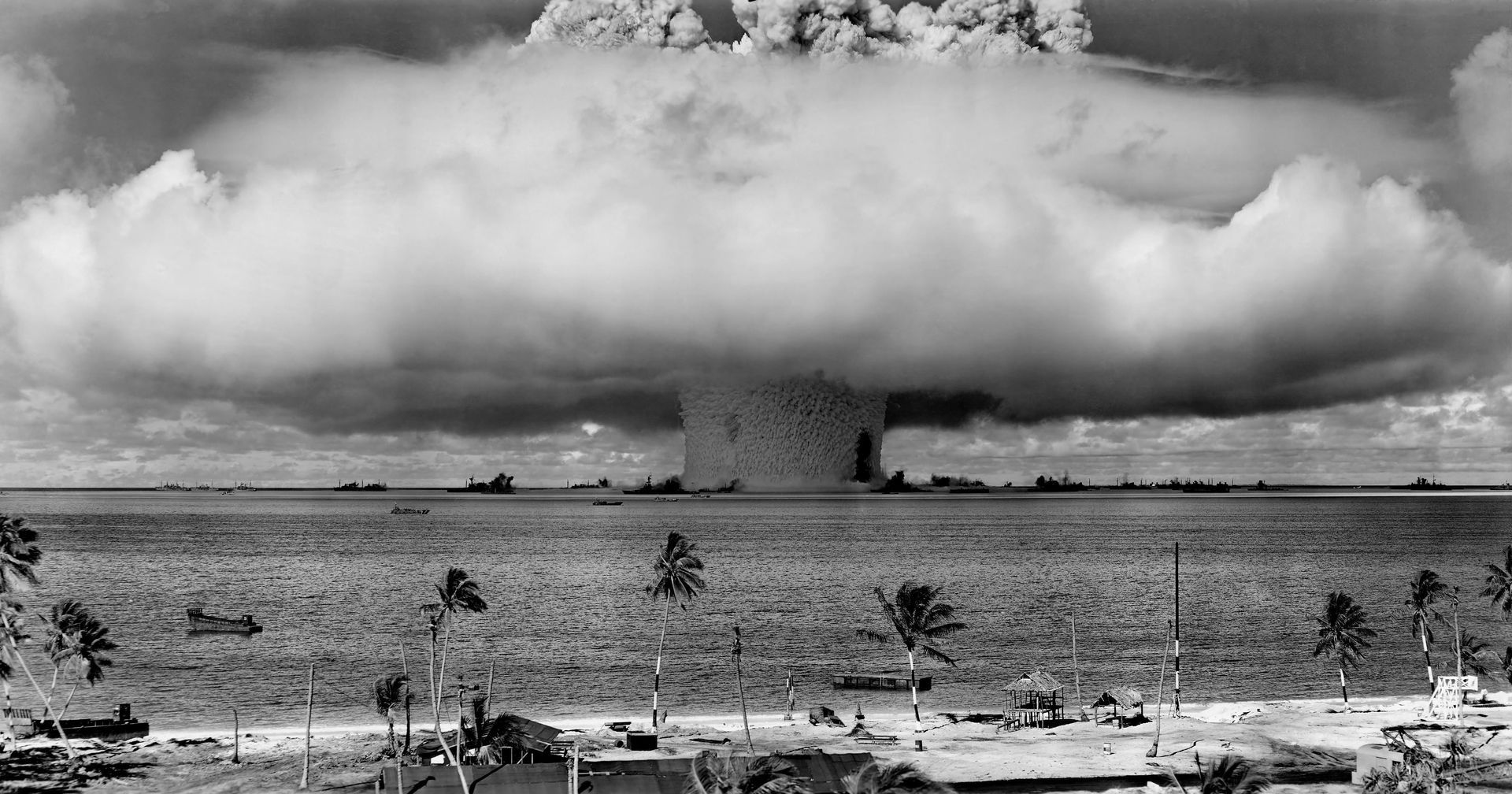
If you run a truck in Texas, you've felt your liability premium climb year after year with no wreck on your record to explain it. The single biggest reason has a name: the nuclear verdict.
What a "nuclear verdict" is
A nuclear verdict is a jury award against a company that tops $10 million — often far more. In trucking, they've exploded. In 2024 there were 135 nuclear verdicts against corporations, a 52% jump over the prior year, totaling $31.3 billion — and the median nuclear verdict climbed to roughly $51 million, up from $44 million a year earlier. Much of that activity is concentrated in high-litigation states, and Texas is squarely one of them.
How one verdict ends up on your premium
You'll never be named in most of these cases, but you pay for them anyway. Insurers price liability based on the worst plausible outcome of a crash, and when juries start handing down eight-figure awards for accidents that used to settle for a fraction of that, the math behind every policy resets. The carrier has to hold more reserves, buy more expensive reinsurance, and brace for the next runaway verdict — and those costs get spread across every trucker the company insures, clean record or not.
It's not just price, either. Nuclear verdicts are shrinking the number of companies willing to write trucking at all. Some carriers are non-renewing fleets whose size or operation no longer fits what underwriters will touch at any price. That's why availability — not just cost — has become the real story for 2026.
What this means for an owner-operator's wallet
Realistic 2026 ranges in Texas: owner-operators on their own authority generally pay $8,000–$14,000 a year for primary liability, cargo, and physical damage combined, while leased owner-operators often land in the $2,000–$4,000 range. New authorities typically pay 40–100% more until they build a verified track record. Those are wide bands for a reason — your number depends on your CDL history, radius, commodity, and years in business. For the full breakdown, see our guide on
how much trucking insurance costs in Texas.
What you can actually control
You can't fix the legal climate, but you can make yourself the trucker underwriters want to keep. Maintain a clean CSA/MVR — your scores are the first thing a carrier looks at. Run dashcams; they're one of the most effective defenses against a fabricated or exaggerated claim. Keep your maintenance records tight, because a documented inspection trail undercuts the "negligent operator" narrative plaintiffs' attorneys lean on. Build clean months and renew on time so you're never re-shopped from a position of weakness. Our explainer on
why trucking insurance is so expensive in 2026 goes deeper on the rate drivers.
And work with an agent who actually places trucking. TAP Insurance Agency compares multiple trucking carriers, handles your FMCSA filings and MCS-90, and issues same-day certificates so a broker never holds your load. If you run the oilfield lanes, our
Midland commercial truck insurance page covers the Permian Basin specifics.
The nuclear-verdict era isn't ending soon. The operators who come through it in the best shape are the ones who run clean, document everything, and have an agent shopping the whole market on their behalf.
Call (800) 666-2254 or text (817) 646-6700 to put your renewal in front of multiple carriers.
Educational only; coverages and availability vary by carrier. TAP Insurance Agency, PLLC — Rhome, TX, licensed in Texas and Oklahoma.