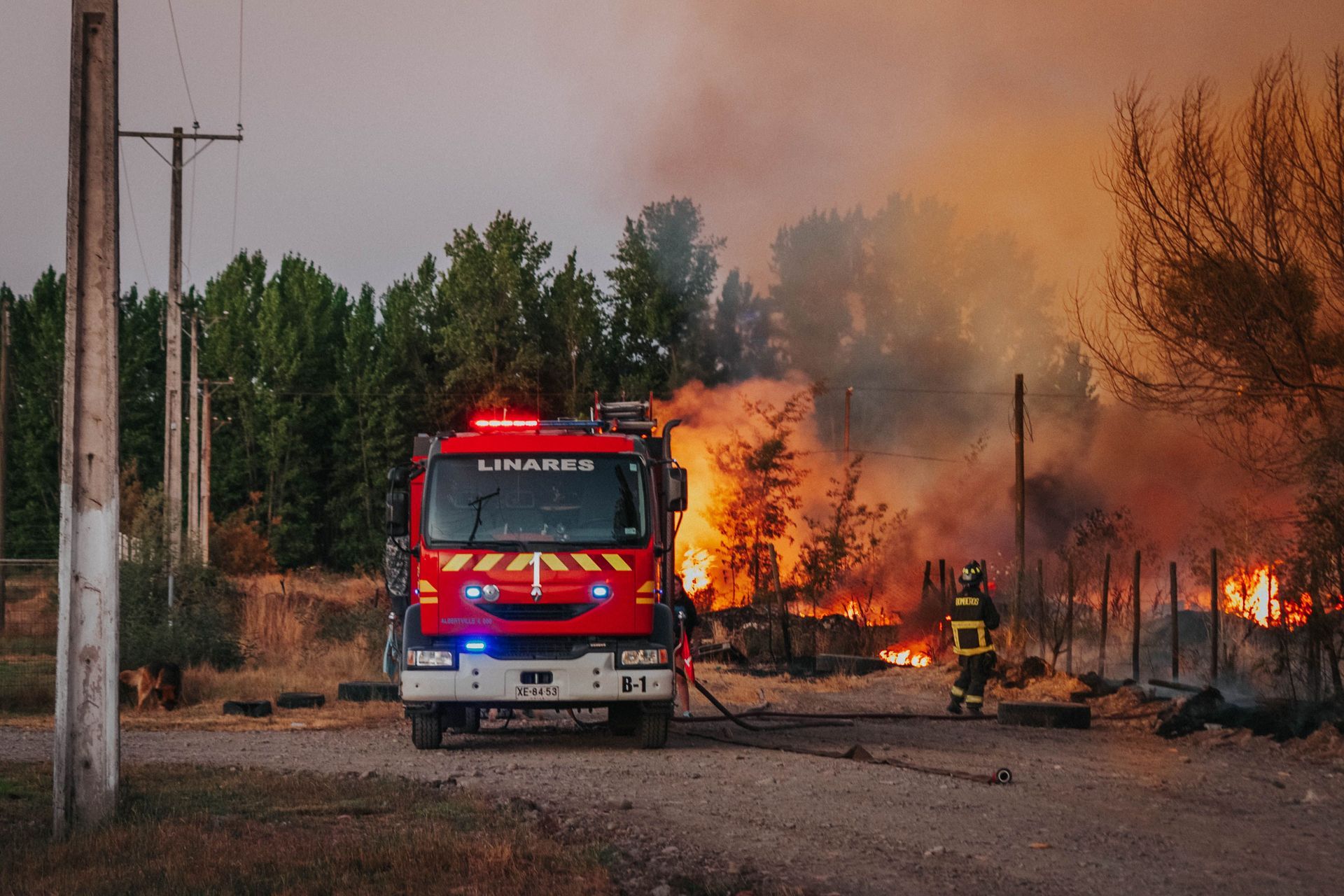
If you live anywhere in Wise County, you know the rhythm of late July. The pasture goes from green to gold in about three weeks, the stock tanks drop a foot, and then the county commissioners issue a burn ban. Suddenly nobody is burning brush piles, the volunteer fire departments are on edge, and every plume of smoke off US 287 makes you check your mirror twice.
A burn ban is a warning sign, not an insurance event. But it is a very good reminder to know exactly how your policies would respond if a grass fire crossed your fence line. Most folks assume they are covered and leave it there. The details are where people get surprised, and this is the time of year to sort them out.
What a burn ban actually does
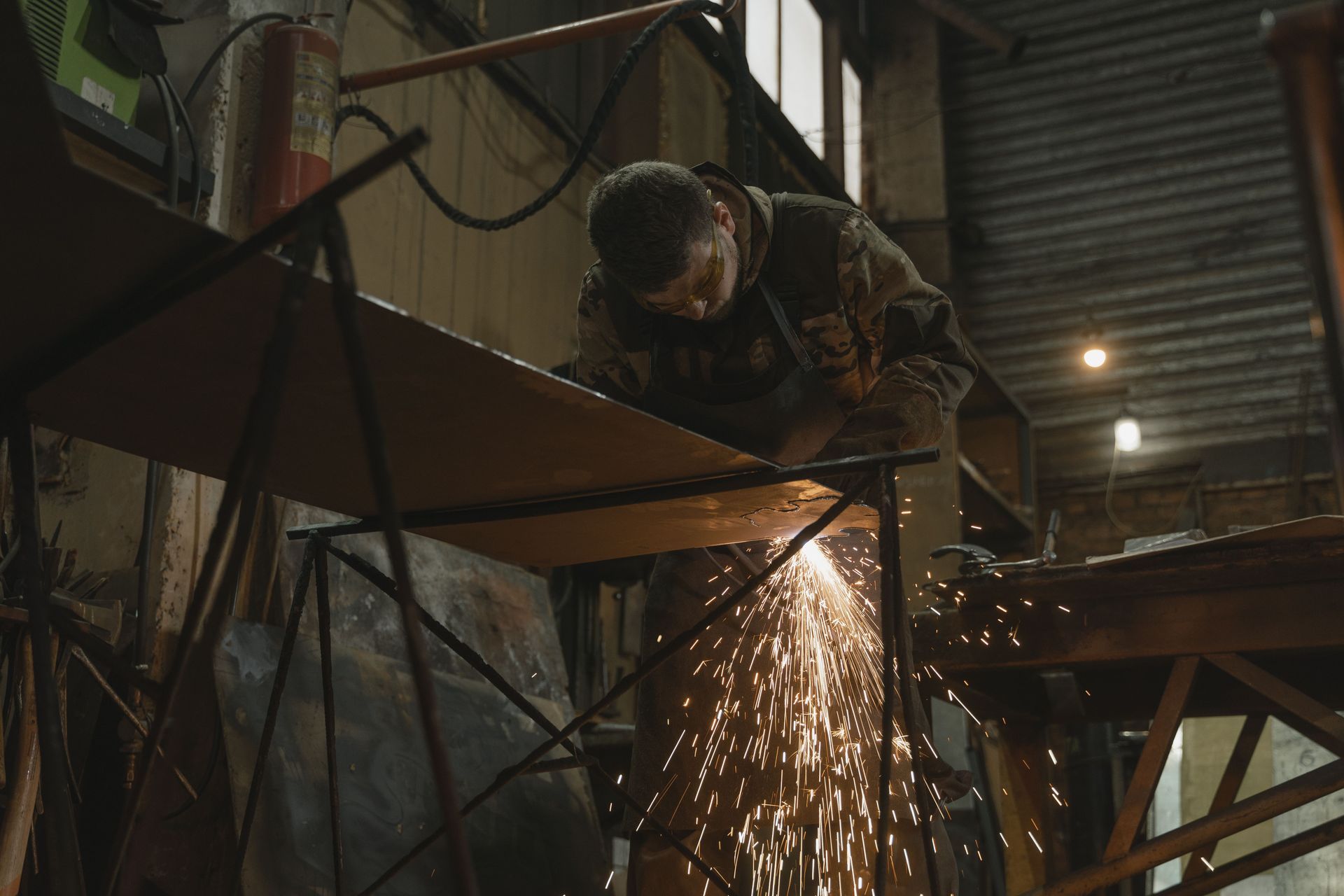
A county burn ban is a legal restriction on outdoor burning, issued when drought conditions and fuel loads make ignition dangerous. It typically prohibits burning household trash, brush piles, and debris, and often restricts welding, grinding, and fireworks outdoors. Violating one is a citation-level offense in Texas.
Here is what a burn ban does not do: it does not change your insurance policy, cancel coverage, or add coverage. Your homeowners and auto policies read the same on the day a ban is issued as they did the week before. What a ban does change is the risk picture, and that is worth acting on.
Does homeowners insurance cover grass fire and wildfire damage?
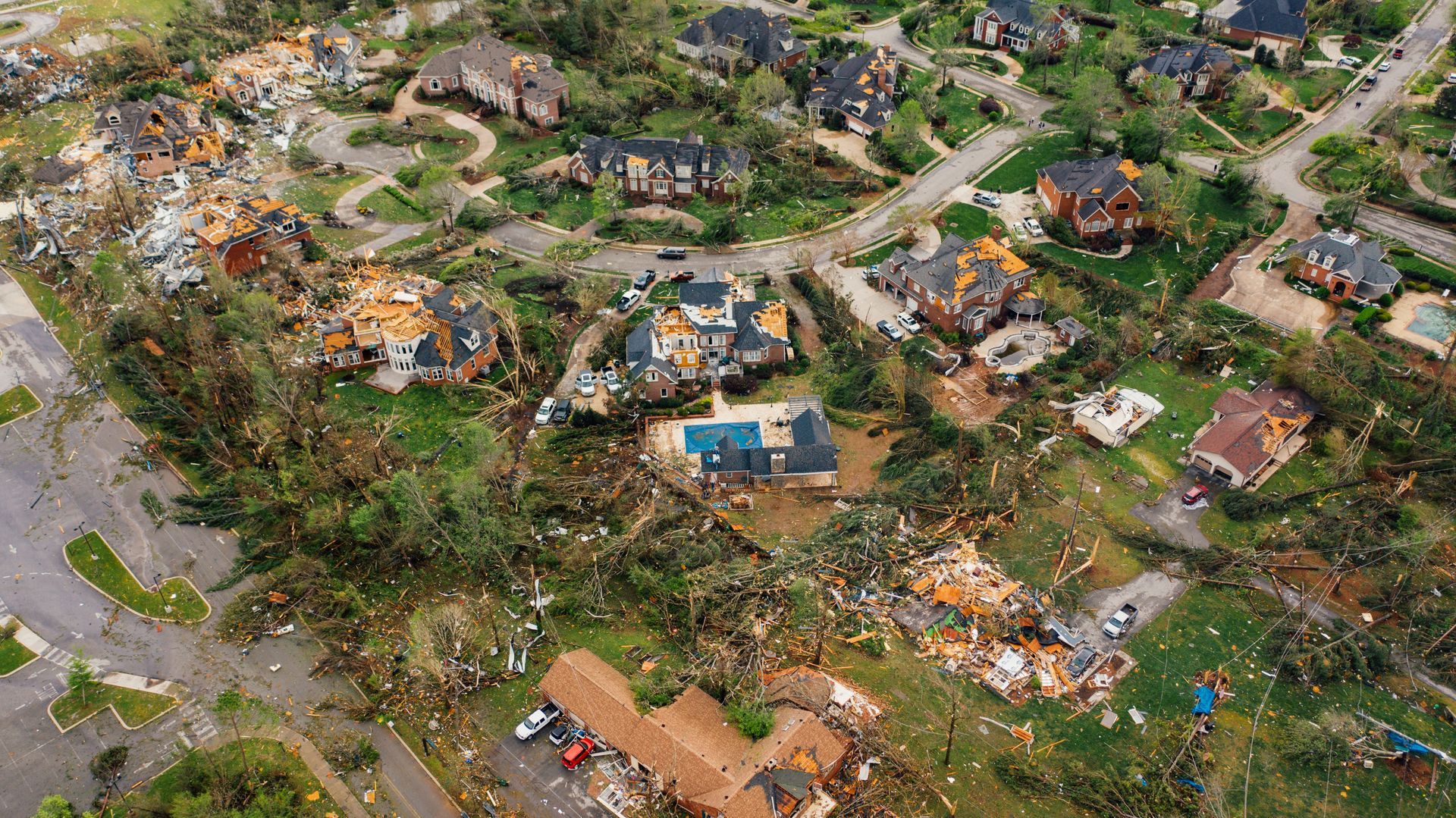
Generally, yes. Fire is one of the oldest and most fundamental covered perils on a standard Texas homeowners policy. If a grass fire reaches your house, a typical HO-3 form responds to the structure damage, the smoke damage, and your personal belongings, subject to your deductible and limits.
A few things worth understanding about how that plays out in practice:
- Smoke damage counts. A fire that never touches the house can still push smoke through your attic, ductwork, and soft goods. Smoke is generally a covered consequence of a fire loss, and remediation on a whole-house smoke claim is not cheap.
- Debris removal is usually included. Most policies include a limited amount for removing fire debris. On a rural property with outbuildings, that limit can get tested fast.
- Additional living expense. If your home is unlivable during repairs, most policies cover the extra cost of staying somewhere else. Know your limit and whether it is capped by dollars, months, or both.
- Landscaping is capped. Trees, shrubs, and plants are typically covered but with a small per-item limit and a low overall percentage of your dwelling amount. A row of mature oaks along a driveway will almost never be made whole.
The coverage people forget: other structures
This is the single biggest gap we see on rural and semi-rural North Texas properties. Your homeowners policy separates the house (Coverage A) from the detached structures on the property (Coverage B, usually called Other Structures). Coverage B is commonly set at a percentage of the dwelling limit, often around ten to twenty percent by default.
Now count what is actually sitting on your acreage: a barn, a shop, a loafing shed, a well house, a detached garage, a pump house, and several thousand feet of pipe or cedar fence. Grass fire is exactly the peril that takes out those items first, because they sit in the fuel. If your dwelling is insured at $400,000 and Coverage B is ten percent, you have $40,000 for all of it combined. That does not rebuild a decent shop, let alone the fencing.
Fencing deserves its own mention. Fence damage from fire is typically covered under Other Structures, and replacement cost on pipe fence has climbed sharply. If you have not looked at that limit since you bought the place, look at it now.
What about your vehicles?
Fire damage to a vehicle is covered by
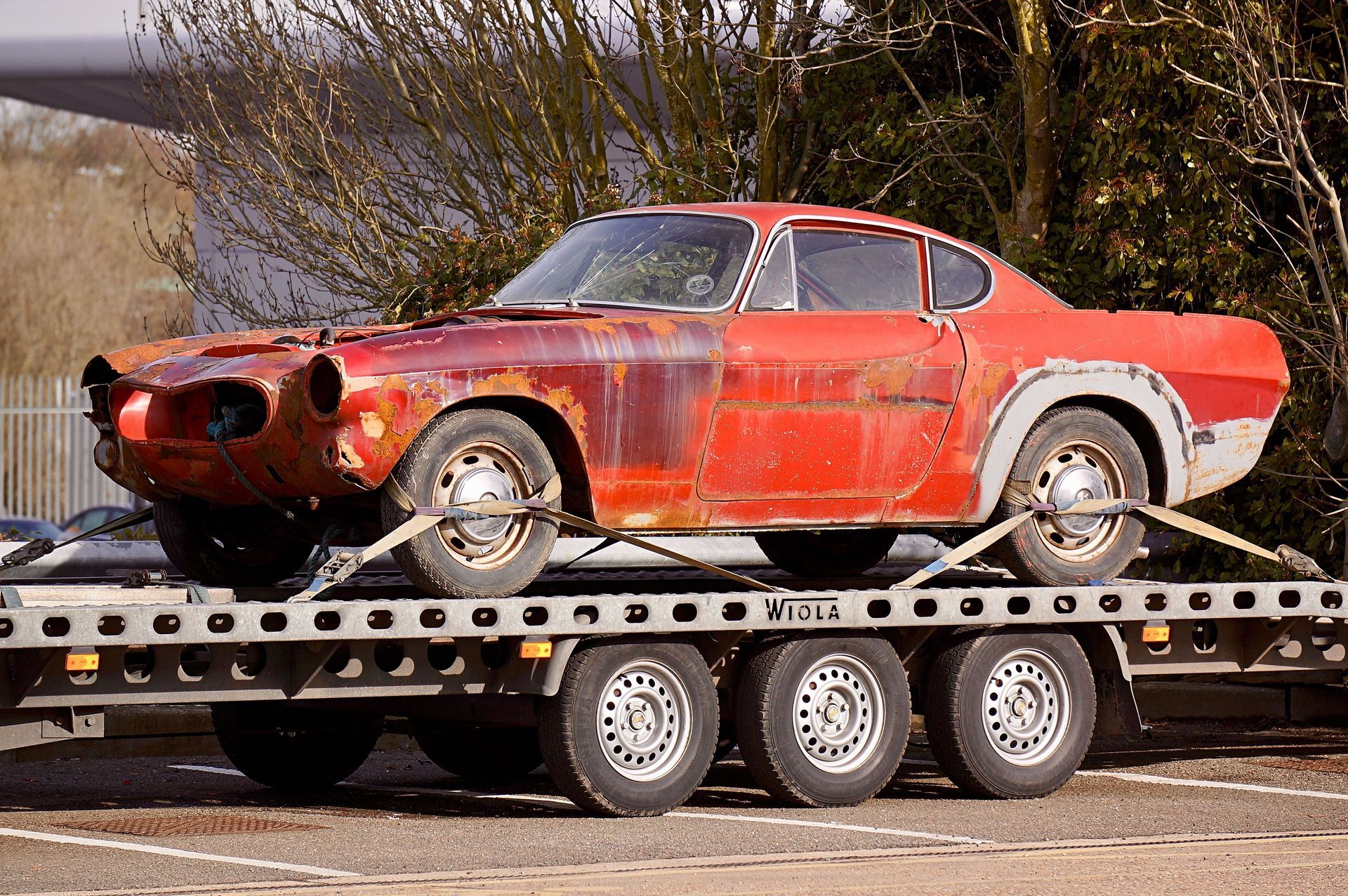
comprehensive coverage, not liability. If you carry Texas minimum liability only, a truck that burns in a pasture fire is your loss, not the carrier’s. That applies to the farm truck, the trailer, the side-by-side, and the tractor parked in the barn.
Trailers, ATVs, UTVs, and equipment usually need their own coverage or a scheduled endorsement rather than riding along on the auto policy. If you have recreational or ranch units, our guide on ATV and UTV insurance for Texas ranch and recreational owners covers how those are handled.
If the fire starts on your place
This is the part nobody wants to think about. Grass fires in Wise County start from a lot of ordinary things: a chain dragging off a trailer, a mower blade hitting a rock, a hot catalytic converter parked in tall grass, a welding job in the shop, a burn pile that was not quite dead from last week.
If a fire originates on your property and spreads to a neighbor, the liability portion of your homeowners policy may respond to their property damage and any bodily injury, subject to your limits. This is precisely why liability limits matter more in rural areas than most people assume. A fire that runs a half mile downwind can involve several neighbors, their outbuildings, their livestock, and their fencing. A $100,000 liability limit is thin against that. Bumping to $300,000 or $500,000 usually costs very little, and an umbrella policy on top costs less than most people expect.
Two honest cautions. First, intentional acts are excluded everywhere. Second, burning in violation of an active burn ban will not automatically void your coverage, but it is strong evidence of negligence if a neighbor pursues a claim against you, and it can complicate the entire matter. When the ban is on, do not burn. It is that simple.
Vacant land, hunting leases, and second properties
If you own raw acreage without a dwelling on it, a homeowners policy is not the right tool. Bare land liability is usually handled through a separate policy or an endorsement. The same is true for hunting leases and recreational tracts. If you have land in Wise, Jack, or Montague County that no policy currently names, that is an exposure worth closing before hunting season, not during it.
Seven things to do while the ban is on
- Mow and clear a defensible perimeter. Thirty feet of short, green, or bare ground around structures does more than any endorsement.
- Move fuel away from buildings. Firewood, hay, fuel cans, and pallets stacked against a barn wall are a wick.
- Check your Other Structures limit. Add up what you would actually have to rebuild, then compare it to Coverage B.
- Confirm comprehensive on anything you would hate to lose. Trucks, trailers, tractors, side-by-sides.
- Raise your liability limits. This is the cheapest meaningful upgrade on most rural policies.
- Photograph everything. Walk the property with your phone. Barn interiors, tools, equipment serial numbers, fence lines. Store it in the cloud, not on the phone alone.
- Know your deductible. Especially if you carry a percentage deductible rather than a flat dollar amount.
If a fire does reach you
Get people and animals out first. Nothing on the property is worth a life. Once you are safe, call your carrier or your agent to open the claim promptly. Take photos and video before any cleanup, keep receipts for lodging and emergency expenses, and do not throw damaged items away until an adjuster has seen them or told you it is fine. If you are working with us, call the agency and we will help you get the claim opened and stay on top of it.
Fire is one of several summer exposures
Burn ban season overlaps with the rest of a North Texas summer. Heat is quietly hard on roofs, air conditioners, and attics, which we walked through in our post on
extreme Texas heat, AC failures, and roof claims. And storm season is not finished either, which is why we put together
five insurance moves to make in Wise County before storm season peaks. Fire, heat, hail, and wind all land on the same policy, and the limits you set in July are the limits you live with in October.
Let us take a look at your policy
We are based right here in Rhome, and we write across Wise, Denton, and Tarrant counties. That means we have read a lot of rural Texas policies, and we know where the thin spots usually are. As an independent agency, we can compare your coverage across multiple carriers rather than defending one company’s form.
If it has been more than a year since anyone actually reviewed your dwelling, Other Structures, and liability limits, this is the week to do it. A policy review is free and it takes about fifteen minutes.
Call or text TAP Insurance Agency at (800) 666-2254, or visit tapinsuretx.com for a free quote. We will walk your coverage line by line and tell you straight where you stand.