For most Texas contractors, the truck and trailer get all the attention. But the real money is often in the bed of that truck — the compressors, nail guns, generators, welders, laser levels, and hand tools you’ve spent years building up. Here’s the hard truth a lot of tradespeople learn the expensive way: your general liability policy won’t pay to replace a single one of them if they’re stolen off a job site or destroyed in a fire.
At TAP Insurance Agency, we talk with contractors across DFW and Wise County every week who assume “business insurance” covers everything. It doesn’t. Understanding the difference between general liability and tools & equipment coverage can be the difference between a minor headache and a shut-down business. Let’s break it down in plain English.
What General Liability Actually Covers
General liability (GL) is the foundation of almost every contractor’s insurance program, and for good reason. It protects you when your work causes bodily injury or property damage to someone else. If a client trips over your extension cord, or your crew accidentally puts a hole in a homeowner’s wall, GL responds.
What GL does
not do is protect your own stuff. It’s third-party coverage by design — it pays for damage you cause to others, not damage to the property you own and use to run your business. That’s a critical distinction, and it’s exactly where a lot of contractors get caught off guard. If you’re still sorting out the basics of business coverage, our overview of a
Business Owner’s Policy for Texas small businesses is a good place to start.
Where Tools & Equipment Coverage Comes In
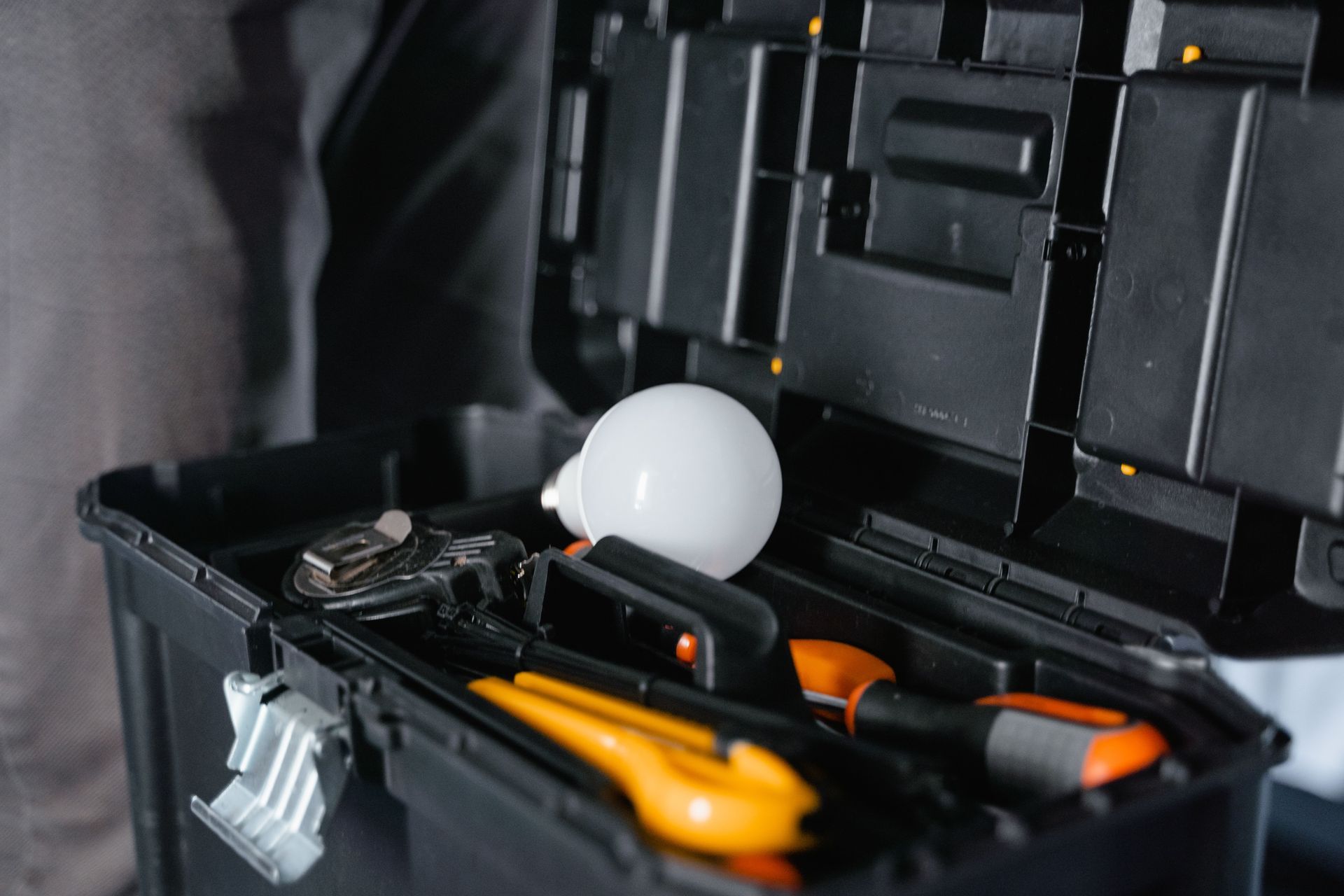
Tools & equipment insurance — often written as an “inland marine” policy or a contractor’s equipment floater — is first-party coverage. It protects the gear you own, rent, or borrow, wherever it happens to be: on the job site, in your locked trailer, at a supply yard, or in transit down US-287. A solid policy typically covers loss from theft (the number-one claim for Texas contractors), fire and lightning, vandalism, wind and hail, and accidental damage while in use or transit.
Coverage is usually split into two buckets. Small tools — anything under a set dollar amount, often $1,500 per item — are covered as a blanket group. Larger, scheduled equipment (a $9,000 mini-excavator, a $6,000 welding rig) gets listed individually with its own agreed value. Getting that split right is where an independent agent earns their keep.
Why This Matters More in Texas
Texas contractors face a mix of risks that make this coverage more than a nice-to-have. Tool theft from job sites and truck beds is rampant across the DFW metro — an unattended trailer at a new-construction site is a target. On top of that, North Texas weather doesn’t play nice: a hailstorm that dents your truck can just as easily wreck an open trailer full of equipment, and a spring flash flood can turn a low job site into a total loss.
Then there’s the mobility factor. Your equipment rarely sits still — it moves between Rhome, Fort Worth, Decatur, and back. A standard commercial property policy tied to one address won’t follow it. Inland marine coverage was built for exactly this “property in motion” problem.
One simple habit closes most gaps: keep an up-to-date equipment list with makes, models, serial numbers, and purchase receipts. It takes ten minutes a quarter, and it turns a stressful post-theft claim into a quick, well-documented payout.
Common Gaps That Surprise Contractors
Even contractors who carry some equipment coverage often find holes at claim time:
- Rented and borrowed equipment. That skid steer you rent for a week — are you covered if it’s stolen overnight? Many policies exclude it unless you specifically add it.
- Employee tools. If your crew brings their own tools and they’re stolen from your truck, whose policy pays? Often neither, unless it’s addressed up front.
- Replacement cost vs. actual cash value. An “actual cash value” policy pays the depreciated value of a five-year-old generator — pennies on the dollar. Replacement cost coverage pays what it costs to buy new.
How It Fits With Your Other Coverage
Tools & equipment coverage doesn’t replace anything you already carry — it fills the gap between them. Your
commercial vehicle policy covers the truck itself. Your general liability covers damage you might cause to a client. Tools & equipment coverage handles everything you load into them. For many small contractors, we bundle these together so there’s no daylight between policies where a claim can slip through.
If your work involves specific licensing or bonding requirements, review those at the same time — our guide to contractor license and permit bonds in Texas walks through what local trades need to stay compliant.
What It Costs — and Why It’s Worth It
Here’s the part that surprises people: tools & equipment coverage is one of the most affordable pieces of a contractor’s insurance program. Because the total insured value is modest compared to, say, a fleet of trucks, premiums are often a small monthly line item — frequently less than the cost of replacing a single stolen power tool out of pocket.
Weigh that against the alternative. Replacing a fully outfitted work trailer after a theft can run $10,000 to $30,000. For a small crew, that’s not a setback — it’s an existential threat. A modest premium turns a business-ending event into a phone call and a claim.
Get It Reviewed by a Real Person
Every trade is different. A framing crew, an HVAC company, and a mobile welder each carry different gear and face different risks — so a one-size-fits-all policy almost never fits. As an independent agency, TAP shops your coverage across multiple carriers to match the policy to how you actually work, not to whatever a call center is trying to sell that week.
If you’re not sure whether your current policy would actually replace your tools after a theft or a storm, let’s take a look together. Call or text us at (800) 666-2254 or visit tapinsuretx.com for a free, no-pressure review. We’ll tell you straight where your gaps are — and what it costs to close them.