A plain-English guide for Texas small business owners on what each policy covers — and why you probably need both.

If you run a small business in North Texas, two insurance policies get mixed up more than any others: general liability and commercial auto. They sound similar, they are often sold together, and plenty of owners assume one covers the other. It does not. Knowing where each one starts and stops is the difference between a covered claim and a bill you pay out of pocket.
What General Liability Actually Covers
General liability (GL) protects your business from the everyday risks of dealing with the public. If a customer slips on your shop floor, if you damage a client's property while on a job, or if someone claims your work caused them harm, GL is the policy that responds. It typically covers third-party bodily injury, property damage, and the legal costs that come with a lawsuit — even one that turns out to be groundless.
What it does not cover is anything involving a vehicle. The moment a car, van, or truck is part of the claim, general liability steps aside.
Where Commercial Auto Takes Over
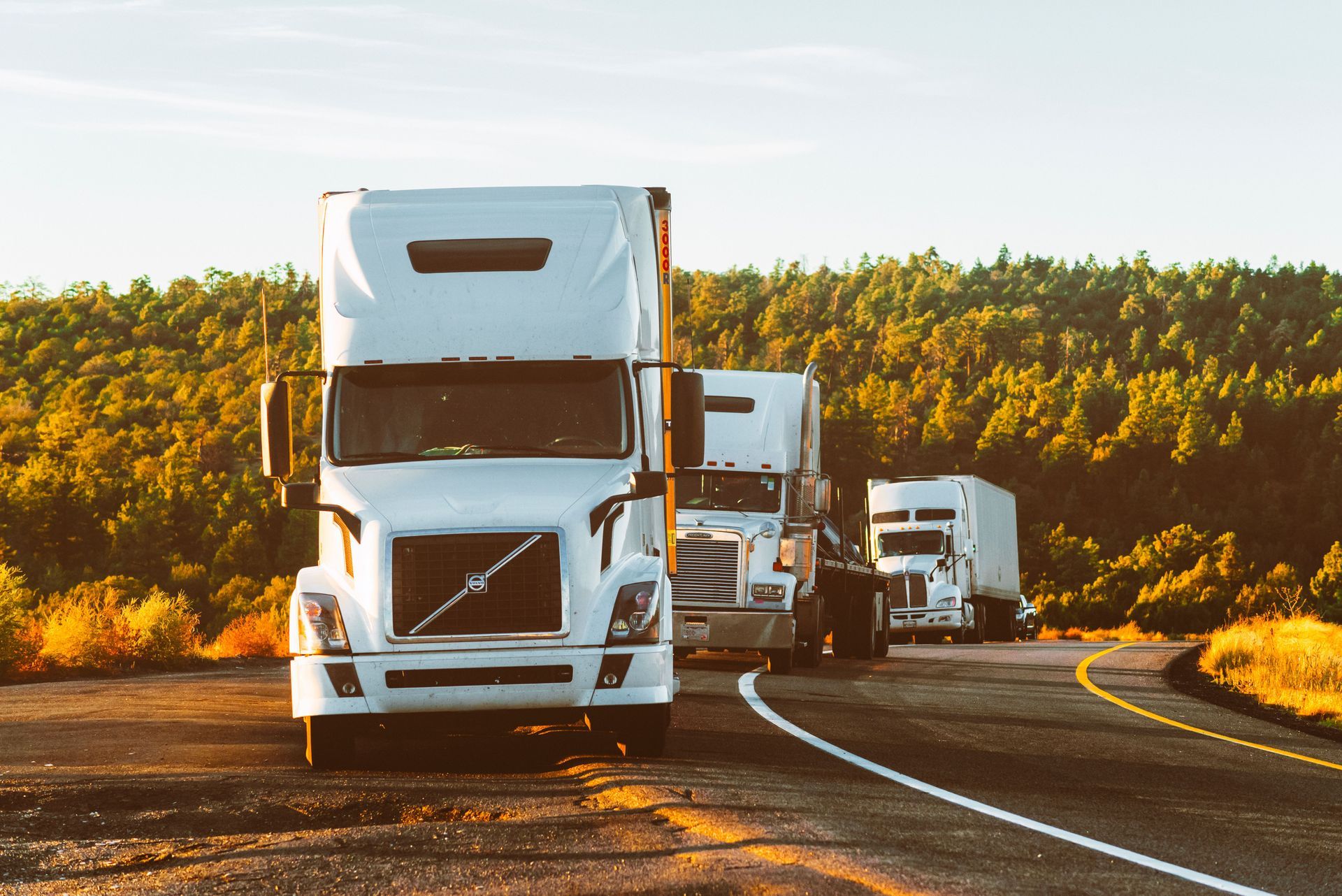
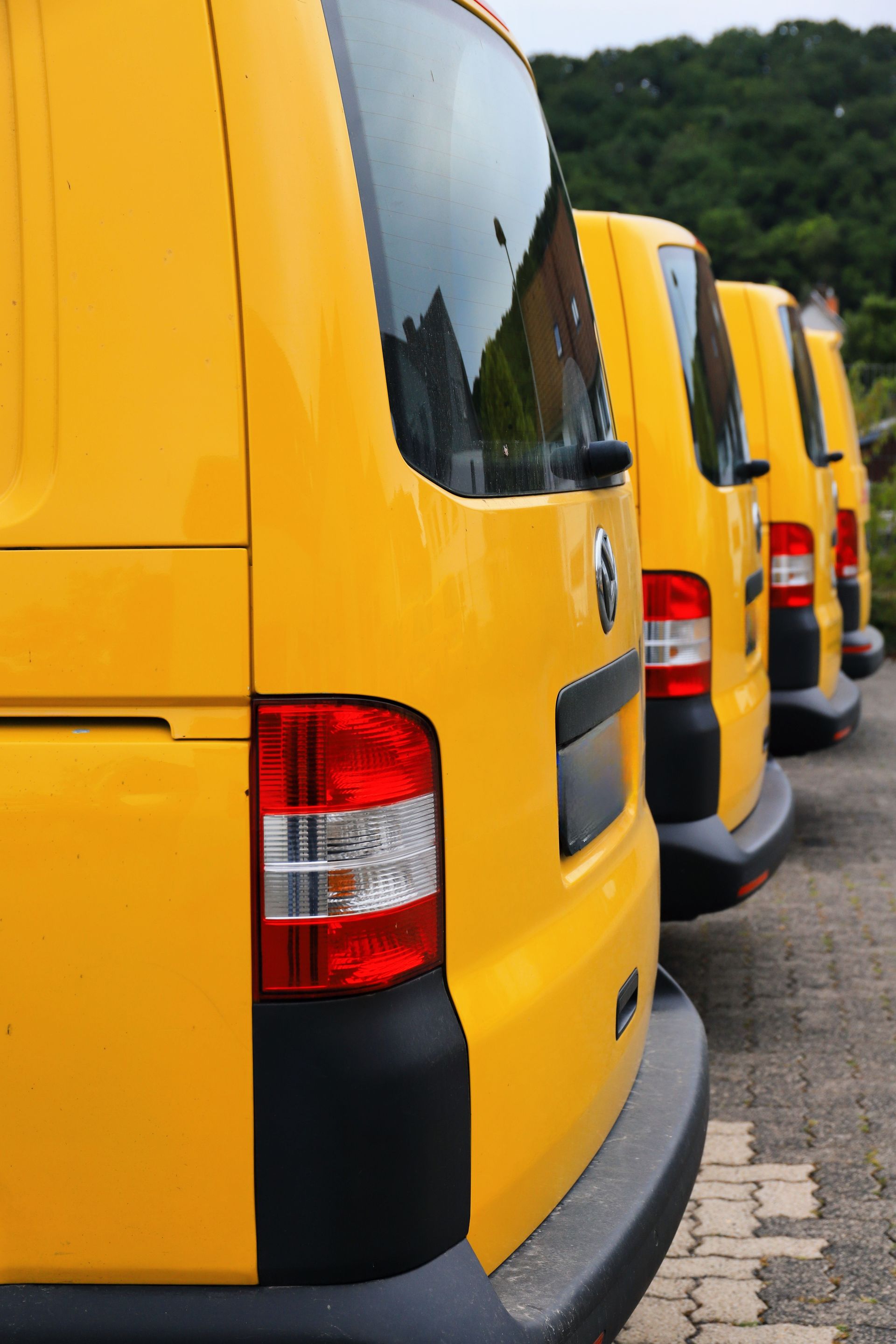
Commercial auto covers vehicles used for business. If you or an employee causes an accident while driving for work, commercial auto handles the bodily injury and property damage to the other party, plus damage to your own vehicle if you carry the right coverages. In Texas, the minimum liability limits are 30/60/25 — the same as personal auto — but the exposures for a business are usually far higher.
Here is the trap a lot of owners fall into: your personal auto policy can deny a claim if you were using the vehicle for business when the accident happened. A contractor hauling tools, a realtor driving clients, a caterer making deliveries — those are business uses. If that is you, a personal policy may leave you exposed.
Which One Does Your Business Need?
For most Texas small businesses, the honest answer is both. Consider how the two work together:
- A landscaping crew needs commercial auto for the trucks and trailers, and GL for the property they might damage on a job site.
- A home-based consultant who only drives to occasional client meetings may need GL plus a hired and non-owned auto endorsement rather than a full commercial auto policy.
- A retail shop with no company vehicles might need GL alone — at least until they start making deliveries.
The right mix depends on whether you own vehicles, whether employees drive, and how much contact you have with the public. That is exactly the kind of question an independent agent is built to answer, because we can compare options across several carriers instead of fitting you into one company's box.
Don't Guess — Get It Reviewed
The costliest insurance mistake is assuming you are covered when you are not. A quick review can confirm whether your current policies actually match how your business operates, and where the gaps are.
At TAP Insurance, we help small business owners across Rhome, Fort Worth, Wise County, and the wider DFW area get the right coverage at a fair price — without the corporate runaround. Call (800) 666-2254 or visit tapinsuretx.com for a free, no-pressure quote.