


How Long Do You Really Need an SR-22 in Texas? (And How to Stop Overpaying)

Nate Mclaughlin • June 20, 2026

What every high-risk Texas driver should know about the two-year clock and how to stop paying more than you owe.

Person in an orange hoodie covering one eye with a hand against a pink background

If a Texas judge or DPS has told you that you need an SR-22, you probably have two questions: how long am I stuck with this, and why did my insurance bill suddenly jump? Both are fair. At TAP Insurance, we help drivers across DFW and North Texas file SR-22s every week, so let's clear up the confusion in plain English.

First, an SR-22 isn't insurance

An SR-22 is not a policy or a type of coverage. It's a certificate your insurance company files with the Texas Department of Public Safety to prove you carry at least the state's minimum liability limits — 30/60/25. Think of it as a financial-responsibility receipt the state keeps on file. You'll typically need one after a DWI, driving without insurance, an at-fault accident while uninsured, multiple serious violations, or a license suspension.

How long Texas actually requires it

In most cases, Texas requires you to carry an SR-22 for two years from the date your driving privileges are reinstated — not from the date of the offense. That distinction matters. If your license was suspended for a stretch, the two-year clock may not start until you're legally back on the road. For some serious or repeat offenses, the requirement can run longer. The key rule: the filing has to stay continuous. If your policy lapses or cancels even for a day, the insurer notifies the state, your clock can reset, and your license can be suspended again.

Why SR-22 drivers overpay

Here's the part nobody tells you: the SR-22 filing itself is cheap — usually a small one-time fee. What actually costs you is being placed in a high-risk rate tier, and that's where many drivers lose money:

  • They stay with one carrier. Not every company prices high-risk drivers the same, and the carrier that wrote your policy right after a DWI is rarely the cheapest one two years later.
  • They don't re-shop as violations age. A violation's impact fades over time. At the one-year and two-year marks your rate should drop — but only if someone re-quotes you.
  • They keep the filing after it's no longer required, paying high-risk rates longer than they have to.

How to stop overpaying

As an independent agency, TAP can shop your SR-22 across multiple carriers instead of locking you into one. We make sure your filing stays continuous so your clock keeps running, watch for the moment your violations age off, and confirm the SR-22 is removed the day Texas no longer requires it. For a lot of drivers, that's the difference between two painful years and a manageable path back to standard rates.

If you need an SR-22 filed today — or you've been paying high-risk premiums longer than you should — let's take a look. Call TAP Insurance at (800) 666-2254 or visit tapinsuretx.com for a free, no-pressure quote.


An electrician running new conduit along a brick wall on a small commercial jobsite in Texas
By Nate Mclaughlin September 18, 2026
A general contractor wants five million in liability and your policy is nowhere close. Here is how small Texas contractors stack coverage to meet the number.

A white semi tractor running an open highway at golden hour, a second truck following behind it
By Nate Mclaughlin September 17, 2026
One line on your trucking declarations page says how far your trucks go. Here is what happens when the loads you take run past the radius you are rated for.

A row of white freight trailers backed to a dock in a Texas drop yard where borrowed units sit
By Nate Mclaughlin September 16, 2026
Pulling a trailer you do not own in Texas? Trailer interchange and non-owned trailer coverage are not the same. Learn which one pays for trailer damage.

Tiny home on a trailer parked on open North Texas land at dusk with a pickup truck and storm clouds
By Nate Mclaughlin September 15, 2026
Tiny homes and park models fall between homeowners, RV, and mobile home policies in Texas. Here is how coverage really works and what to ask before you buy.

A closed sign hanging in the door of a small professional office on a weekday, the owner out
By Nate Mclaughlin September 15, 2026
Your disability policy pays you, not your practice. Learn how business overhead expense coverage pays the rent, payroll and leases while an owner is out.
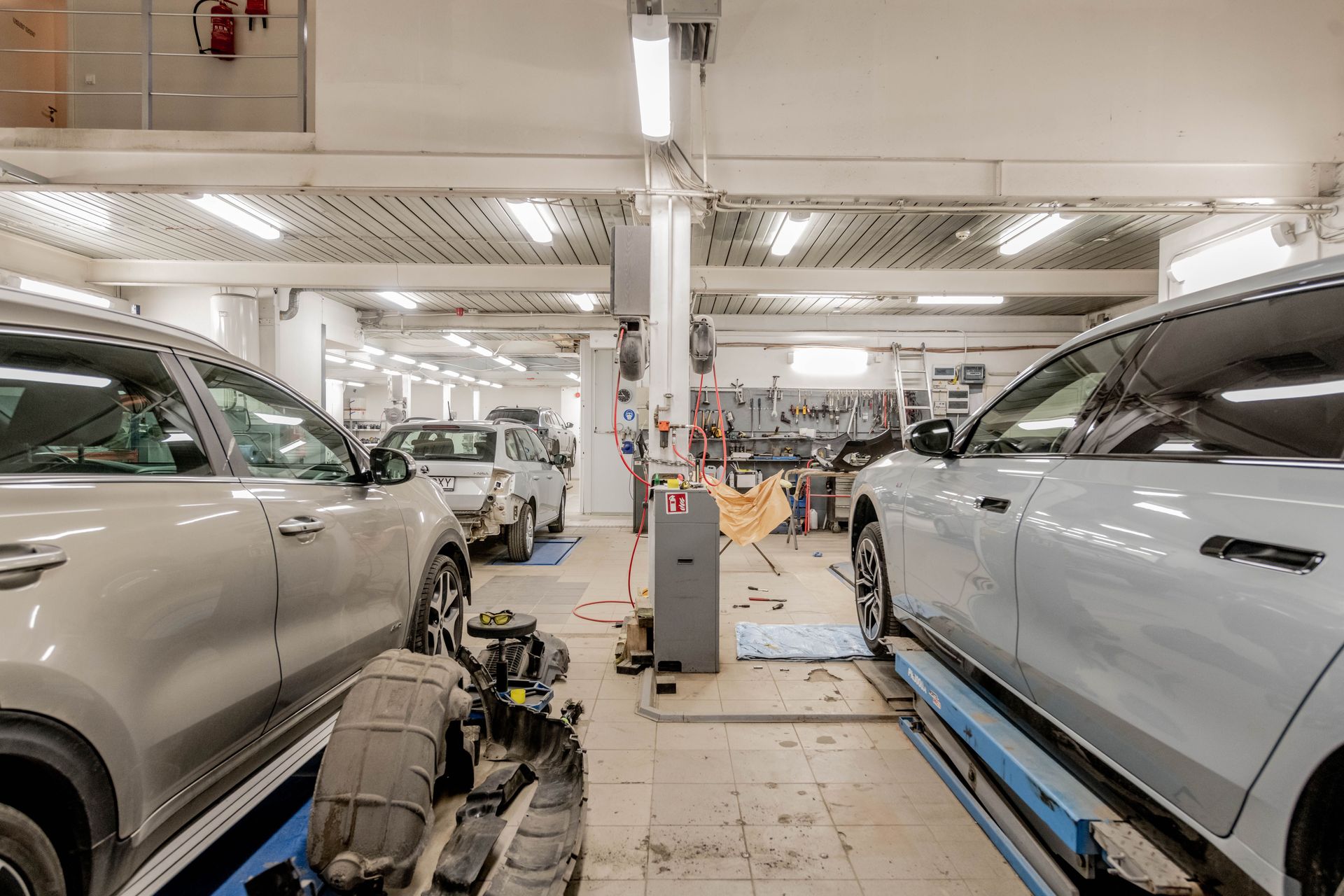
Many cars raised on lifts in a busy auto body repair shop where collision damage estimates are made.
By Nate Mclaughlin September 14, 2026
Totaled car in Texas? Learn how insurers calculate actual cash value, where the valuation report goes wrong, and how to dispute a low settlement offer on your car.

Printed claims reports on a clipboard beside a laptop, the document underwriters ask for first
By Nate Mclaughlin September 14, 2026
Commercial carriers will not quote without loss runs. Learn what they show, how many years to request, and how to get them from your carrier yourself.

Hands comparing two printed insurance quotes side by side on a desk, checking for an agency fee
By Nate Mclaughlin September 13, 2026
Some Texas agencies add a fee on top of your premium. Learn what state law requires, how to spot it on a quote, and why TAP Insurance Agency never charges one.

Three people sit and talk across a table during an in-person auto insurance review meeting in Texas.
By Nate Mclaughlin September 12, 2026
Turned down by two Texas auto insurers? TAIPA is the state's assigned-risk plan. Learn who qualifies, what it covers, and how to get back to a normal policy.
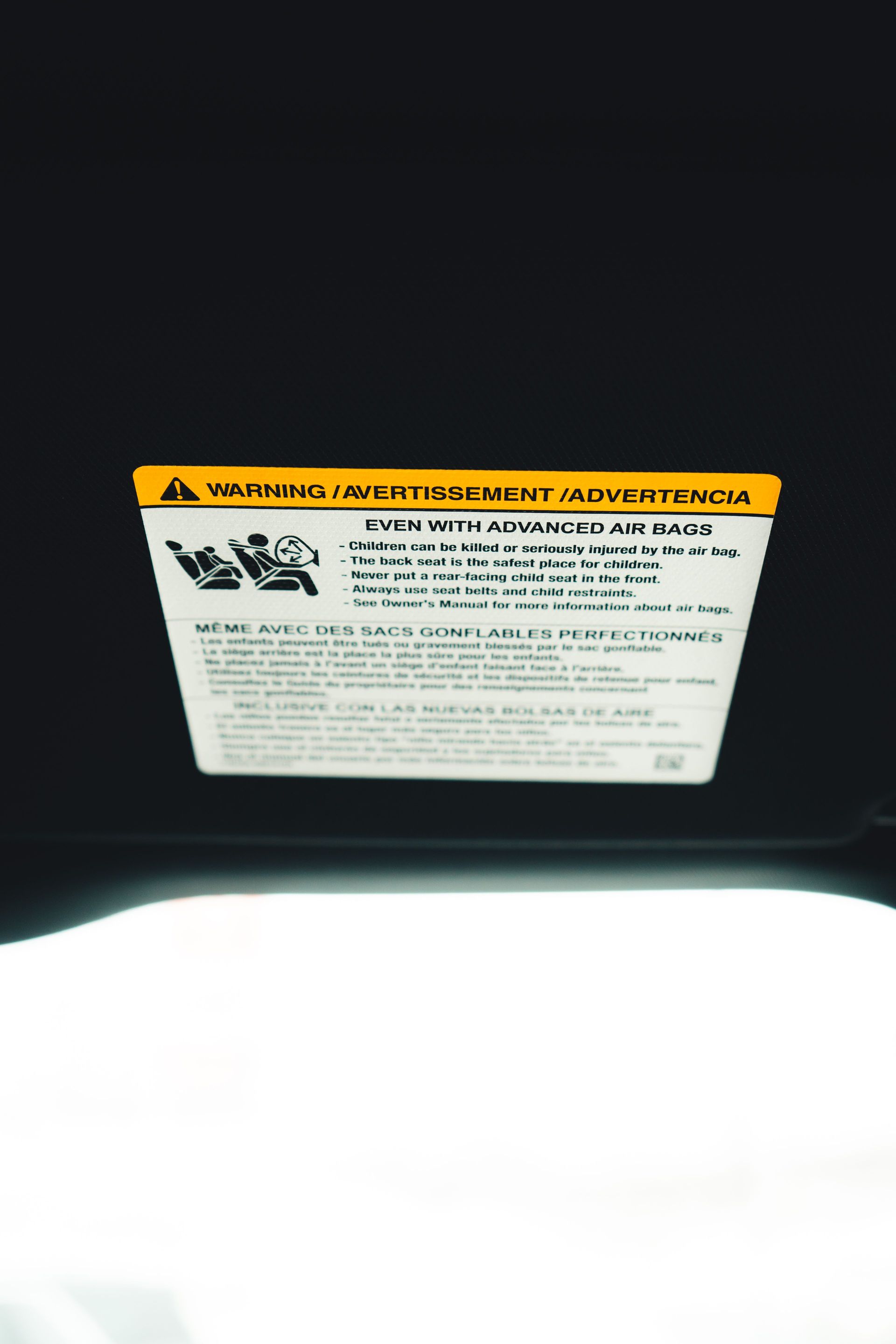
Close-up of a yellow certification label on a vehicle, the sticker that settles the CDL question
By Nate Mclaughlin September 12, 2026
Does your hotshot rig need a CDL in Texas? Learn how the 26,001-pound combination rating works, why empty weight is irrelevant, and what it costs you.
Show More