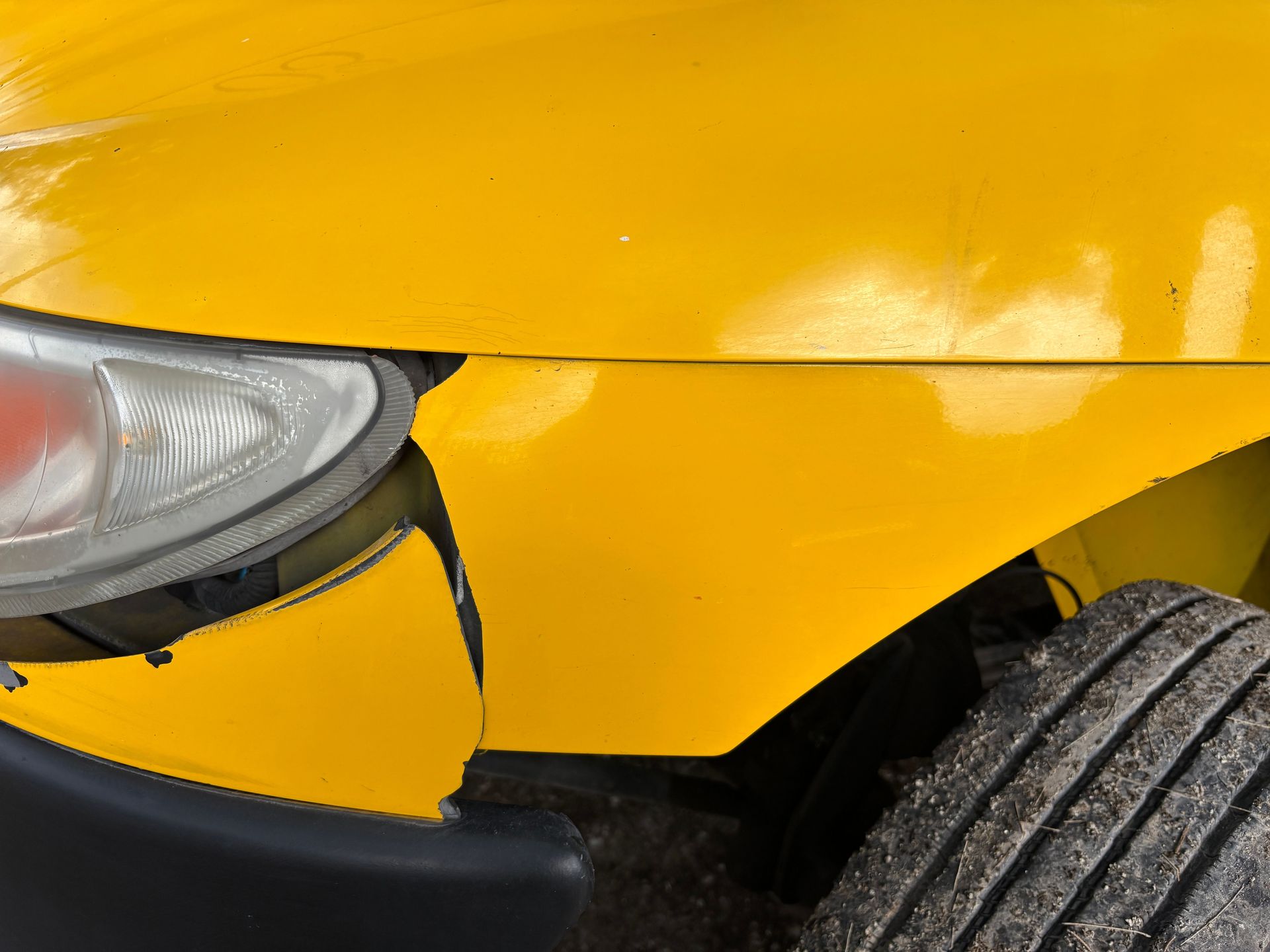
Say a one-truck hotshot operator in North Texas runs a one-ton dually and a 40-foot gooseneck. The policy shows collision and comprehensive on the truck, and the owner has always assumed that means the whole rig. Then hail hits the yard where the trailer is parked, the deck is pocked and the fenders are dented, and the adjuster asks a simple question: is the trailer on the schedule, and at what value?
Physical damage coverage applies to the units listed on the policy. A trailer is its own unit, and if it is not scheduled, or is scheduled at a value far below what it would cost to replace, the claim may be denied or paid short. Terms differ by carrier, so confirm that the trailer is listed, how it is valued, whether it is covered when unhooked and what comes with it. A few minutes with the declarations page now is far cheaper than finding out after a storm.
The weight question and the coverage question travel together. A bigger or heavier trailer can change where the combined rating lands against the CDL line, as covered in our pillar post on where the 26,001-pound line falls for a hotshot rig, and the same ratings end up on your insurance application.
A trailer is its own line on the policy
On a commercial auto policy, physical damage attaches to each vehicle or trailer you list, with its own description, value and deductible. The truck's collision and comprehensive coverage does not follow the trailer behind it unless the trailer is scheduled too. A financed trailer usually gets scheduled because the lender demands it, and a paid-off trailer is the one that quietly slips off the list.
Liability is a separate question. What the trailer does to other people is handled by the liability coverage on the policy, and it does not depend on whether the trailer is on the physical damage schedule. The two coverages answer different questions, which is how an owner ends up with liability for the trailer and no coverage for the trailer itself.
Attached, detached and parked
Some policies treat a scheduled trailer as covered whether or not it is hooked up. Others cover an unscheduled trailer only while it is attached to a covered tow vehicle. That detail decides the claim when the trailer is stolen from the yard, damaged at a repair shop or hit by hail while parked.
Texas hail season makes the parked-trailer case more than a theory. Hail damage falls under comprehensive coverage, and comprehensive usually carries its own deductible. Ask what that deductible is for the trailer, and whether it is a flat amount or a percentage of the trailer's value.
Trailer theft is the other yard risk. Gooseneck and flatbed trailers are easy to hook up and drive away, and a policy may ask for reasonable protection, such as a hitch lock or a locked gate. Read the theft conditions before you need them, and consider a tracker, which helps recovery and shows an underwriter that you take the exposure seriously.
Pick a value you can defend
A scheduled trailer needs a value. If the policy pays actual cash value, the insurer subtracts depreciation from what the trailer would cost today. If it pays a stated amount, the policy typically pays the lesser of that figure or the actual cash value at the time of the loss, a distinction we explained in our post on
stated amount versus actual cash value on a truck. The same lesser-of rule applies to a trailer. If the trailer is financed, the lender is paid first on a total loss, so a value set too low can leave a balance owed on a trailer you no longer have.
Keep the bill of sale, photos and receipts for upgrades such as a deck, headache rack, winch, toolboxes or ramps. Documentation is what lets a trailer be valued as it actually is, not as a generic listing. A custom-built deck or an older trailer that has been rebuilt does not appear in book values, so build invoices, photos or an appraisal help set the number before a loss instead of arguing about it afterward.
What rides on the trailer
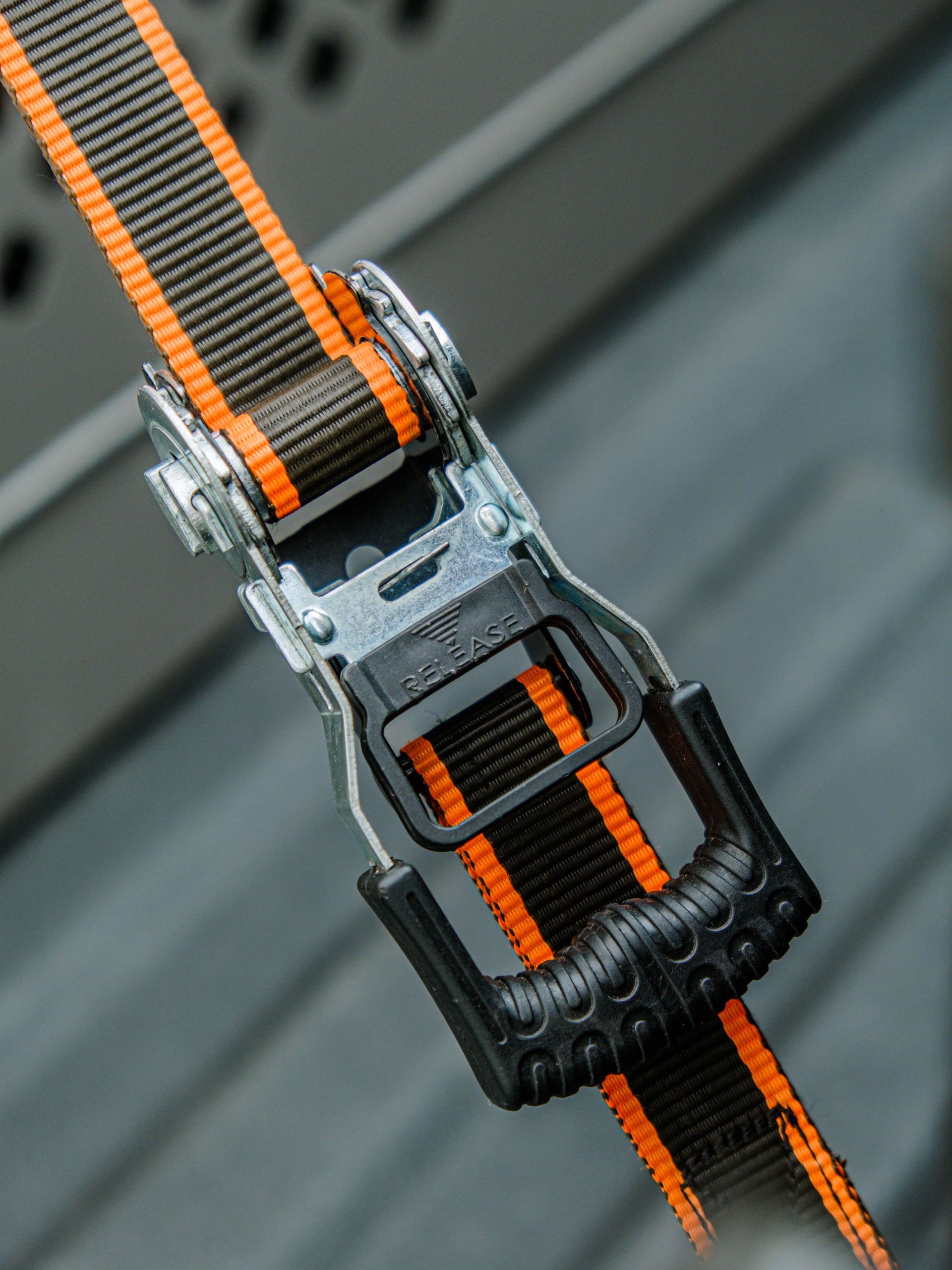
Chains, binders, straps, ramps, winches, toolboxes and aftermarket decks fall in a gray area between the trailer and the cargo. Permanently attached equipment is often covered with the trailer if it is listed, while loose gear may need to be scheduled or may sit under an equipment endorsement with its own limit.
The freight itself is another coverage entirely. Motor truck cargo coverage pays for the load, and trailer physical damage never does.
Swapping, buying and replacing trailers
Hotshot operators change trailers often. A newly acquired trailer may be covered automatically for a short window if you report the purchase promptly, and some policies require the report within days. Wait for renewal and the new trailer can sit uncovered for months.
Selling the old trailer matters too. Removing it from the schedule avoids paying for something you no longer own, and a mismatch between your schedule and your registrations can raise questions at claim time. Tell your agent about the swap before the first load, since a different trailer can change how an underwriter sees the operation.
Questions to ask at renewal
Is every trailer I own listed? Compare the schedule with your registrations and with what is parked in your yard.
How is each one valued? Ask whether the policy pays actual cash value or a stated amount, and what the number is.
Does coverage change when it is unhooked? Ask about theft and damage while the trailer is parked or at a shop.
What is the deductible on the trailer? It may differ from the one on the truck.
TAP Insurance Agency is an independent agency that shops multiple trucking markets, so we can compare how carriers schedule and value trailers and match the policy to the equipment you actually run. When you are ready, look over our owner-operator coverage options
and send us your schedule.
Call (800) 666-2254 — or text
QUOTE to
(817) 646-6700 · tapinsuretx.com
Educational only; coverages and availability vary by carrier. TAP Insurance Agency, PLLC — Rhome, TX, licensed in Texas and Oklahoma.