If you are starting a business in Texas, you have probably run into the term "surety bond" at some point. Maybe it was on a license application. Maybe a client asked you for one. Either way, you need one—and you need to understand what it actually does.
At TAP Insurance, we help Texas business owners get bonded quickly through our online portal. No confusing paperwork, no runaround. Here is what surety bonds are, who needs them, and how to get yours taken care of today.
What Is a Surety Bond?
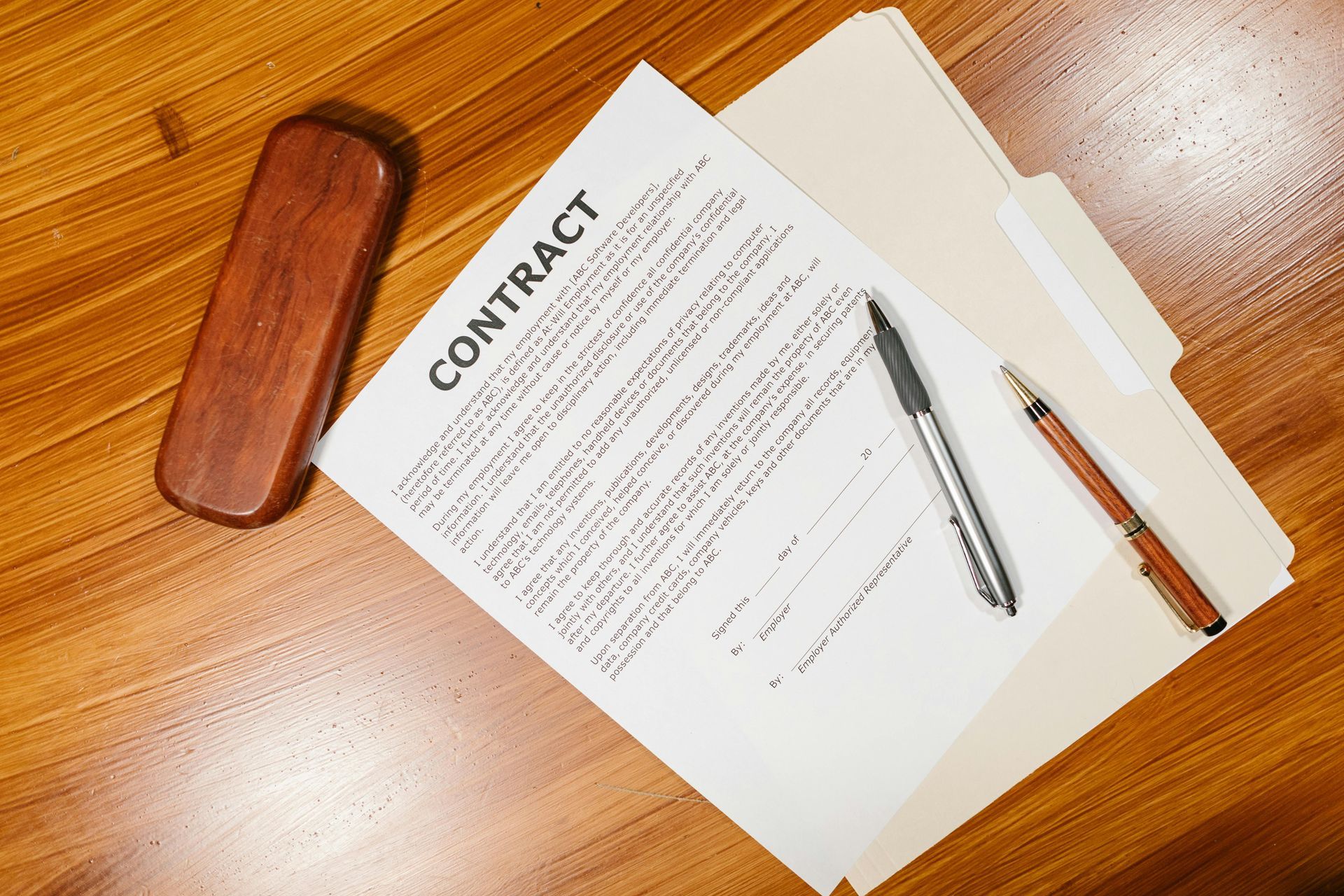
A surety bond is a three-party agreement that guarantees you will fulfill an obligation—whether that is completing a construction project, following state regulations, or handling someone else’s money responsibly.
The three parties involved are the
principal (you, the business owner), the
obligee (the entity requiring the bond, usually a government agency or project owner), and the
surety (the insurance company backing the bond).
If you fail to meet your obligation, the bond protects the party that required it. Think of it as a guarantee that you will do what you said you would do.
Who Needs a Surety Bond in Texas?
More businesses than you might expect. Here are some of the most common:
Contractors and builders — The Texas Department of Licensing and Regulation (TDLR) requires bonds for many construction-related licenses.
Auto dealers — Texas motor vehicle dealers need a $25,000 surety bond before they can get licensed through the TxDMV.
Notaries public — All Texas notaries must carry a $10,000 surety bond.
Freight brokers — FMCSA requires a $75,000 BMC-84 bond for freight broker authority.
Court-appointed fiduciaries — Guardians, executors, and administrators often need a bond set by the court.
If a state agency, court, or contract requires a bond, you cannot skip it. Operating without one can mean fines, license suspension, or worse.
Types of Surety Bonds
License and permit bonds are required by government agencies as a condition of doing business. These are the most common type in Texas.
Contract bonds (also called construction bonds) guarantee that a contractor will complete a project according to the terms of the agreement. These include bid bonds, performance bonds, and payment bonds.
Court bonds are required during legal proceedings—for example, when someone is appointed to manage an estate or appeals a court decision.
Commercial bonds cover a wide range of business obligations, from regulatory compliance to ethical business practices.
How Much Does a Surety Bond Cost?
Here is the good news: a surety bond does not cost the full bond amount. You pay a premium—typically between 1% and 15% of the bond amount—based on your credit score, financial history, and the type of bond.
For example, a $25,000 auto dealer bond might cost you as little as $250 to $750 per year if you have good credit. Even if your credit is not perfect, there are options available.
How to Get Bonded Fast with TAP Insurance
This is where we come in. TAP Insurance offers an online surety bond portal where you can get quoted and bonded without picking up the phone—though you are always welcome to call us.
Here is how it works:
1. Visit our website at
tapinsuretx.com
2. Tell us what type of bond you need and the amount
3. Get a quote—often within minutes
4. Purchase your bond and receive your documentation
Most bonds can be issued the same day. If your situation is more complex—like a large contract bond or a bond with credit challenges—our team works with you directly to find a solution.
Ready to Get Bonded?
Whether you are a contractor bidding on your first project, an auto dealer getting licensed, or a notary renewing your commission, TAP Insurance is here to make the process simple.
Give us a call at
(800) 666-2254 or visit
tapinsuretx.com to get started. We are a small agency with real people who pick up the phone—and we will get you bonded fast.