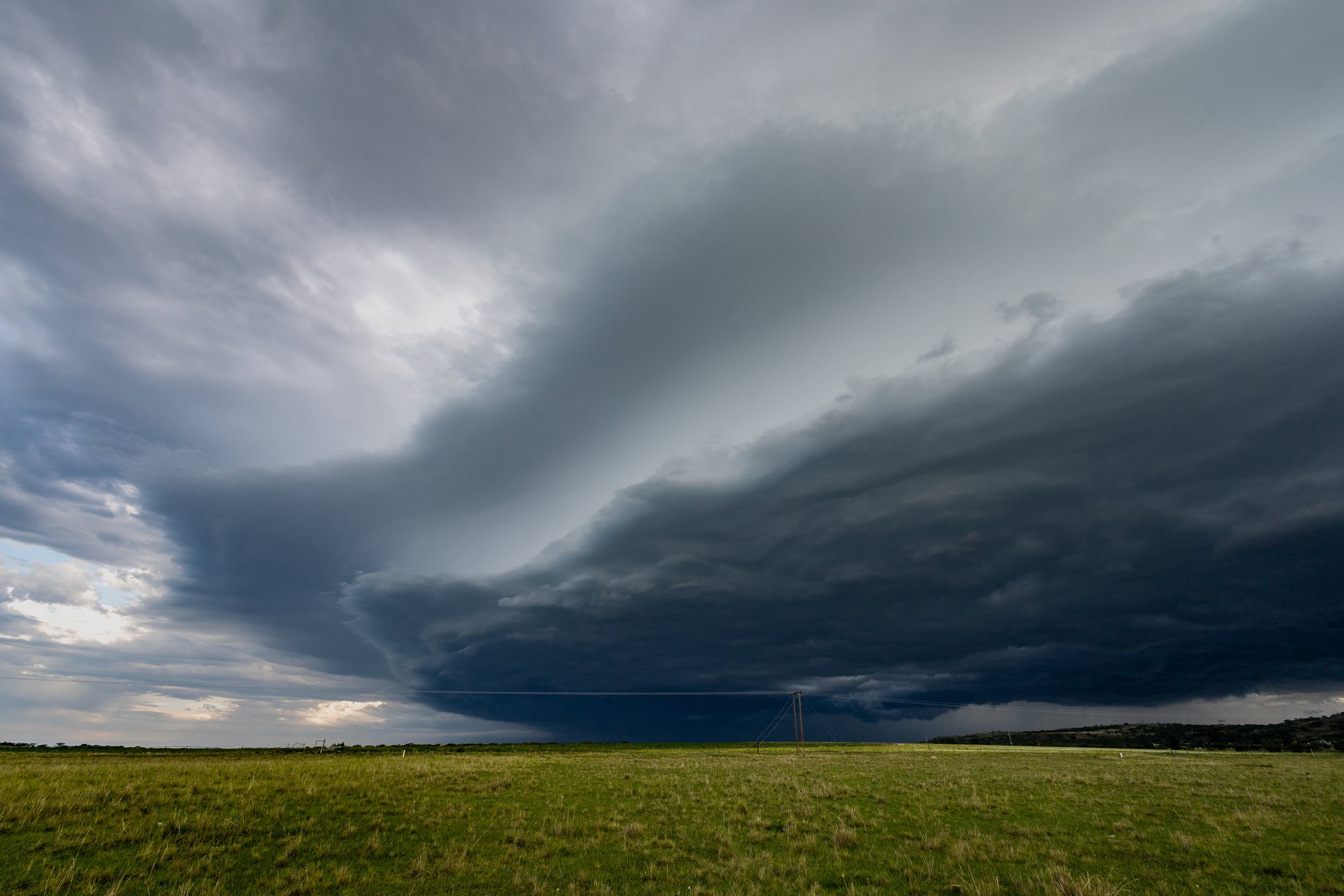
Texas homeowners deal with more weather variety in a single storm system than most states see all year — wind, hail, and flooding can all show up from the same event, sometimes within the same afternoon. What catches people off guard isn't the weather. It's discovering, mid-claim, that wind, hail, and flood are covered by
three different things, with three different deductible structures, and that a single storm can leave you with damage that's covered, damage that's covered but expensive, and damage that isn't covered at all.
Here's the clear version, broken down by peril.
Wind damage — covered, standard deductible (usually)
Wind damage to your home — a section of roof torn off, a fence blown down, a tree that falls on your house due to wind — is a standard covered peril under virtually every Texas homeowners policy. In many parts of Texas, wind is covered under your regular "all other perils" deductible, the same flat-dollar deductible that applies to fire or theft claims.
The catch: in many Texas policies, wind is bundled together with hail under a single, separate
wind/hail deductible rather than the standard deductible — which brings us to the next category.
Hail damage — covered, but often a different (bigger) deductible
Hail damage to your roof, siding, gutters, windows, and vehicles is covered, but Texas is unusual in how it's typically deductibled. Most Texas homeowners policies apply a
percentage-based wind/hail deductible rather than a flat dollar amount — commonly 1% to 5% of your dwelling coverage limit, not your home's market value. On a $400,000 dwelling limit, a 2% wind/hail deductible is $8,000 out of pocket before your insurance pays anything.
This is genuinely different from how most people picture a deductible working, and it's the single most common point of confusion we hear from clients after a hailstorm. Our full breakdown, including a calculator for figuring out your specific exposure, is in understanding your hail deductible in Texas.
The fix if this deductible would strain your finances: a standalone wind/hail deductible offset product, like the one we represent through Sola, pays part or all of that percentage deductible when you file a covered claim. Details on our
Sola wind and hail deductible protection page.
Flood damage — not covered at all under a standard policy
This is the one that causes the most financial pain, because it's the most misunderstood.
Flood damage — water that rises from the ground or flows across the surface from outside your home — is excluded entirely from standard Texas homeowners policies. No deductible discussion applies because there's no coverage to apply a deductible to. You need a completely separate flood insurance policy, either through the National Flood Insurance Program or a private flood carrier.
Texas leads the nation in flood claims, and roughly a quarter of NFIP claims nationally come from properties outside officially mapped high-risk flood zones — meaning "I'm not in a flood zone" is not the same as "I have no flood risk." Our full guide is at do you need flood insurance in Texas, including NFIP coverage limits and the 30-day waiting period that makes buying flood coverage during an active storm too late.
Why one storm can produce three different answers
Here's where this gets practical. A single severe thunderstorm or hurricane remnant moving through North Texas can produce wind damage to your roof (covered, wind/hail deductible applies), hail damage to your siding and vehicles (also covered, same wind/hail deductible), and water intrusion from street flooding or a swollen creek (not covered at all without a separate flood policy) — all from the same afternoon, all requiring a homeowner to understand three different coverage answers to know what's actually paid for.
This is also why claims sometimes get partially denied in ways homeowners find confusing: an adjuster may approve the wind-damaged roof section while denying the water damage in the same claim, because the water came from flooding rather than wind-driven rain through a storm-created opening (which is generally covered) — a distinction that requires understanding exactly how the water entered the home.
A simple way to remember it
Wind: covered, usually your standard deductible or a wind/hail-specific one.
Hail: covered, almost always a separate percentage-based deductible in Texas.
Flood: not covered at all without a completely separate policy, and a 30-day wait once you buy one.
Checking where you stand
Pull your declarations page and look for three things: whether wind and hail are listed together under one percentage deductible or handled separately, what that percentage translates to in actual dollars against your dwelling limit, and whether you carry a separate flood policy at all. If any of the three answers is unclear, that's worth a call before the next storm, not during it.
How TAP helps
As an independent agency, we can walk through exactly how your current policy handles wind, hail, and flood — and where the real gaps are — in one conversation, then shop alternatives across multiple carriers if something needs to change. Call
(800) 666-2254 or text QUOTE to (817) 646-6700, or
request a policy review online.
Educational only; deductible structure and coverage terms vary by carrier and policy. TAP Insurance Agency, PLLC — Rhome, TX. Licensed in Texas and Oklahoma.
— TAP Insurance Agency · Call (800) 666-2254