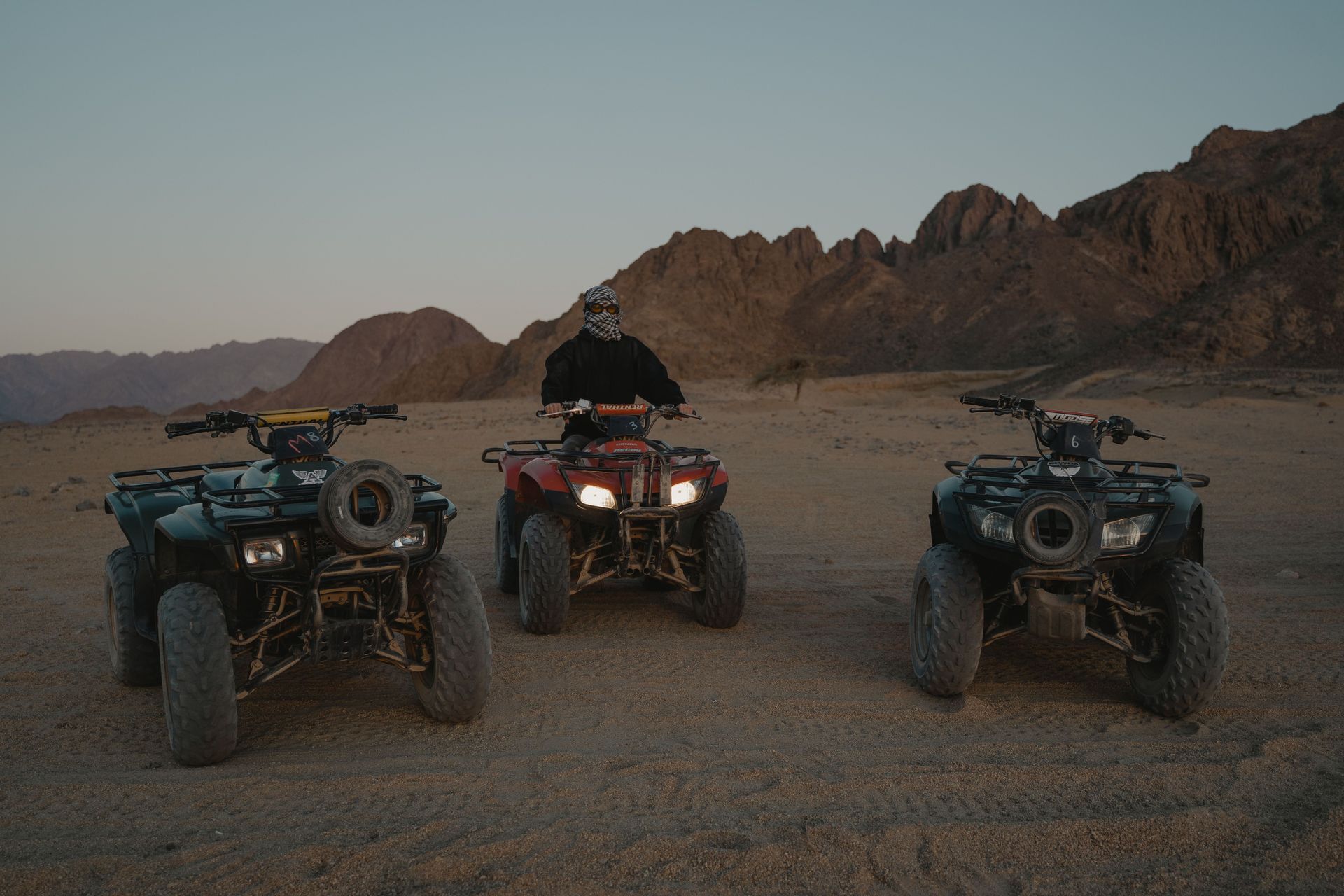
If you've ever mentioned to your insurance agent that you just bought a UTV for the ranch, you may have gotten a question back: "Is it on your homeowners policy or does it need its own?" Most owners assume the answer is obvious — of course it's covered, it's on my property. It usually isn't, and the gap catches Wise County and Parker County landowners more often than almost any other recreational vehicle question we field.
Why your homeowners or auto policy probably doesn't cover it
Standard Texas homeowners policies typically extend a very limited amount of coverage to off-road vehicles used on your own property, and usually only for liability, not physical damage — and even that liability coverage often excludes motorized vehicles above a small engine size or that leave your property line. The moment your ATV or UTV crosses onto a neighbor's land, a public right-of-way, a hunting lease, or a trail system, that limited homeowners coverage generally disappears entirely.
Your personal auto policy doesn't help either. ATVs and UTVs aren't licensed for public roads in most cases, and auto policies are written around vehicles that are registered, titled, and driven on public roadways — an off-road vehicle simply doesn't fit the definition of what's covered.
What a dedicated ATV/UTV policy actually covers
A standalone ATV or UTV policy is built specifically for how these vehicles are actually used, and typically includes:
Liability coverage
Protects you if you cause injury or property damage to someone else while operating the vehicle — critical if you ever have friends, family, or hired hands riding on your property, since Texas premises liability law doesn't automatically shield you just because an accident happened on your own land.
Physical damage coverage
Comprehensive and collision-style protection for the vehicle itself against a rollover, collision, fire, theft, or vandalism — genuinely important given that a good UTV can run $15,000–$30,000+ new.
Medical payments
Covers medical expenses for you or a passenger injured in an ATV/UTV accident, regardless of fault — useful given how often ATV injuries happen on private property where health insurance coverage questions can get complicated.
Uninsured motorist / passenger liability
Some policies extend coverage if a passenger is injured and pursues a claim — worth asking about specifically if your ATV or UTV regularly carries a second rider.
What drives the cost
Pricing depends on a handful of straightforward factors: the vehicle's value and engine size, how it's used (personal ranch use versus racing or organized trail riding), where it's stored (locked barn versus open lot), and the rider's experience and any prior claims. A basic liability-only policy on a modest ATV can run well under $200/year; full coverage on a higher-value UTV climbs from there, but is still generally affordable relative to the replacement cost of the machine.
Texas-specific considerations for ranch and rural owners
If you run cattle, work fence lines, or manage acreage in Wise or Parker County, your ATV or UTV probably isn't a toy — it's a work vehicle, and that distinction matters to a carrier. Ranch-use ATVs/UTVs are often eligible for better rates than pure recreational machines because insurers see farm-use vehicles as lower-risk than trail-riding or racing use. If your property also hosts a hunting lease, note that your general liability exposure for lease guests operating ATVs is a separate conversation worth having alongside your farm and ranch coverage — a standard ATV policy protects you as the operator, but a lease operation has its own liability layer to think through.
If you're newer to rural property ownership generally and building out coverage piece by piece, our guide for new residents moving to Wise County is a useful starting checklist, and if the ATV shares garage space with a boat, camper, or RV, our
Texas RV insurance guide covers the same "your auto policy doesn't extend here" gap for a different vehicle type.
Where TAP finds the right market
Not every carrier writes ATV/UTV coverage the same way, and appetite varies a lot by how the vehicle is used — ranch/farm use, pure recreation, or racing all get treated differently. As an independent agency, we shop your ATV or UTV across multiple carriers rather than pushing you toward whichever single company we happen to represent, and we can usually bundle it alongside your home, auto, farm and ranch, or boat coverage for a better overall rate. You can see the full menu of what we quote on our
ATV insurance page or our broader
recreational and specialty vehicle quotes.
If you've got an ATV or UTV sitting on a homeowners policy and you're not sure whether it's actually covered, that's worth a five-minute phone call before it's worth finding out the hard way. Call (800) 666-2254 or text QUOTE to (817) 646-6700, and we'll tell you plainly what your current policy does and doesn't cover.
Educational only; coverage availability and pricing vary by carrier, vehicle use, and rider history. TAP Insurance Agency, PLLC — Rhome, TX. Licensed in Texas and Oklahoma.
— TAP Insurance Agency · Call (800) 666-2254