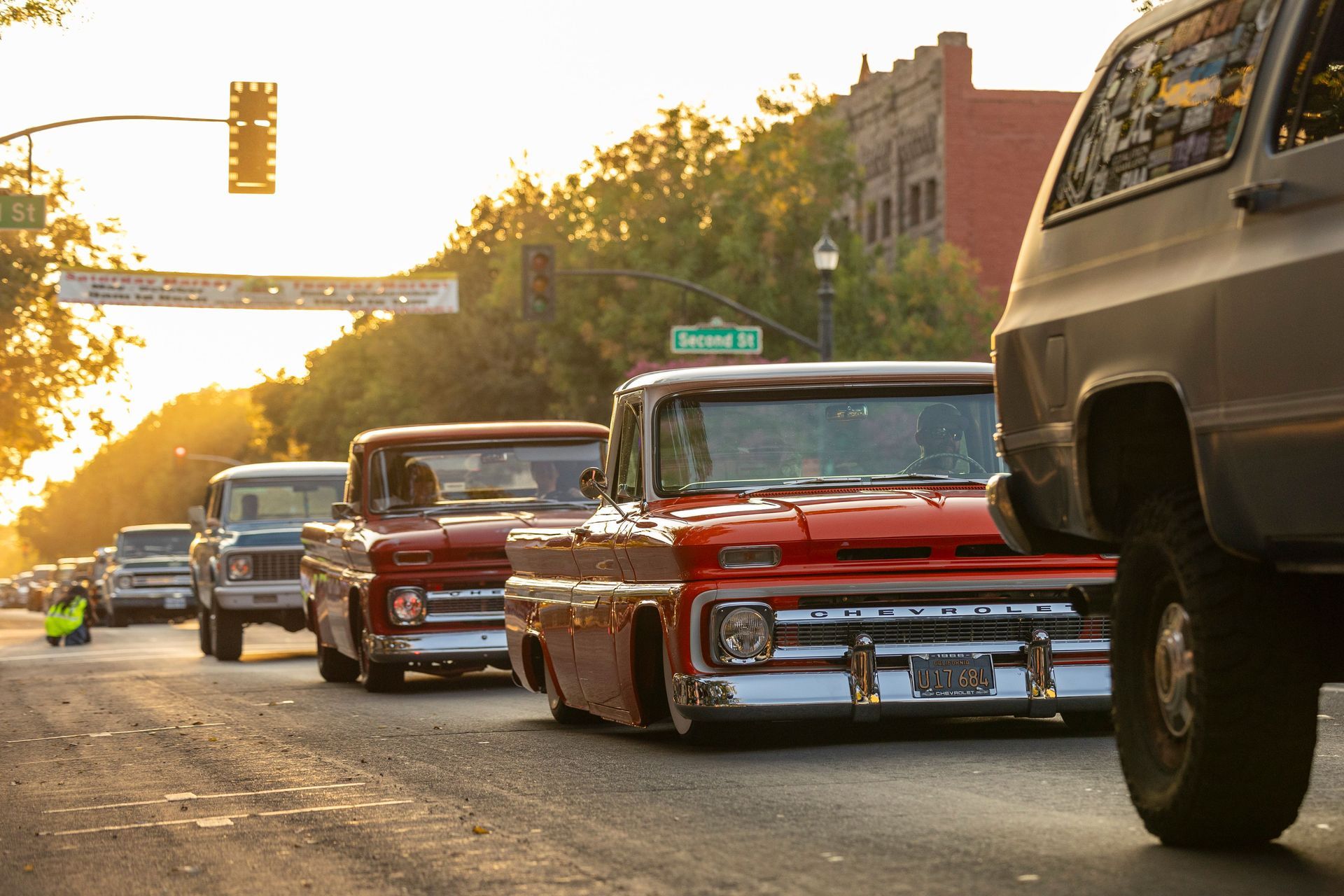
Texas summers bring out the car shows — cruise-ins at the Dairy Queen on a Friday night, weekend shows in Fort Worth and Decatur, the occasional trip to a bigger regional event in Dallas. If you own a classic, antique, or restored vehicle and you're still insuring it on your regular auto policy, there's a good chance you're both overpaying and underprotected at the same time — a combination that only shows up when you actually need to file a claim.
Why a standard auto policy is the wrong tool for a classic car
Regular auto insurance is built around
actual cash value — what a similar car would sell for on the open market today, factoring in age, mileage, and depreciation. That works fine for a daily-driver sedan. It works terribly for a 1969 Mustang or a lovingly restored '57 Chevy, because the market for those cars doesn't behave like the market for ordinary used cars. A standard policy might value a totaled classic at a fraction of what you've actually put into it — parts, labor, and the simple fact that a well-kept example of a rare model appreciates instead of depreciates.
Standard auto policies also don't account for how classic cars are actually used. They assume daily commuting, ordinary mileage, and everyday exposure to weather and traffic — none of which describes a car that spends most of its life under a cover in a garage and comes out for shows, parades, and the occasional Sunday drive.
What a dedicated classic car policy does differently
Agreed value coverage
This is the single biggest difference. Instead of actual cash value, you and the carrier agree on the car's value up front — often backed by an appraisal — and that's what you're paid if the car is a total loss. No depreciation argument, no lowball settlement fight after the fact.
Usage and mileage limits
Classic car policies are priced around limited, pleasure-driving mileage — typically a few thousand miles a year rather than the 12,000–15,000 a daily driver logs. In exchange for that lower usage, premiums run significantly cheaper than standard auto coverage for a comparable vehicle value.
Storage requirements
Most classic car policies require the vehicle be stored in an enclosed structure (garage, storage unit) when not in use, rather than sitting outside — this is part of why rates are lower, since storage dramatically reduces weather and theft exposure.
Spare parts and restoration coverage
Some policies extend coverage to spare parts inventory and equipment used specifically for the car's restoration or maintenance — a detail standard auto policies never address.
What Texas owners should check before the next show
If your classic is currently on your regular auto policy, ask these questions before your next event: Is the car valued at agreed value or actual cash value? Does the policy have a mileage cap, and does that match how you actually drive it? Are you covered while trailering the car to and from a show — this is a common gap, since coverage in tow can differ from coverage while driving? And does the policy exclude "modified" or "customized" vehicles, which can catch owners of restomods or lightly modified classics off guard?
A regular auto policy also typically requires the classic be your primary or secondary daily vehicle to qualify for coverage at all, which many collectors don't realize disqualifies a garage-kept show car from favorable classic-car rates entirely — you may be paying daily-driver rates for a car that never sees daily use.
Comparing to standard coverage
For general context on how ordinary Texas auto coverage is structured — liability limits, comprehensive and collision, uninsured motorist — our guide on
choosing the right auto insurance in Texas is a useful baseline for comparison, since it's worth understanding what "normal" coverage looks like before you see how differently a classic car policy is built. If your classic shares garage space with a motorcycle you also ride to shows, our
motorcycle insurance guide covers that vehicle type's own set of gaps.
Where an independent agency helps
Classic car appetite varies a lot by carrier — some specialize almost exclusively in agreed-value collector coverage, others barely touch it. As an independent agency, TAP Insurance Agency can shop your classic or antique vehicle across specialty collector-car markets rather than trying to force it onto a standard auto policy that was never built for it. You can start a quote directly on our
classic car insurance page, or call us and we'll walk through your car's value, use, and storage setup to find the right fit.
If you've got a show coming up this summer and you're not sure your current policy actually protects what you've put into the car, that's worth a phone call before, not after. Call (800) 666-2254 or text QUOTE to (817) 646-6700.
Educational only; agreed value, mileage limits, and eligibility vary by carrier and vehicle. TAP Insurance Agency, PLLC — Rhome, TX. Licensed in Texas and Oklahoma.
— TAP Insurance Agency · Call (800) 666-2254